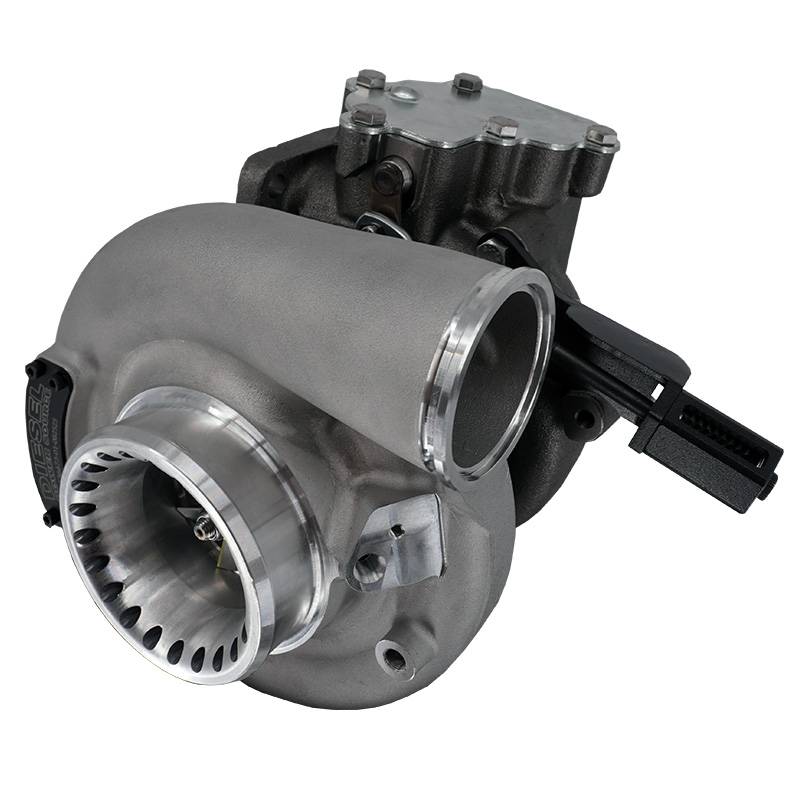
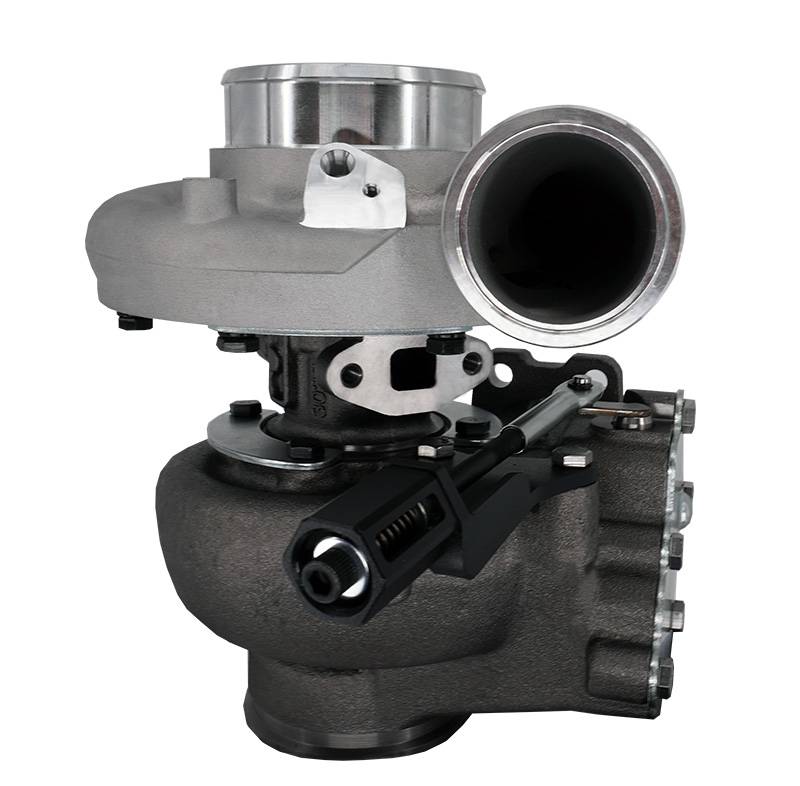
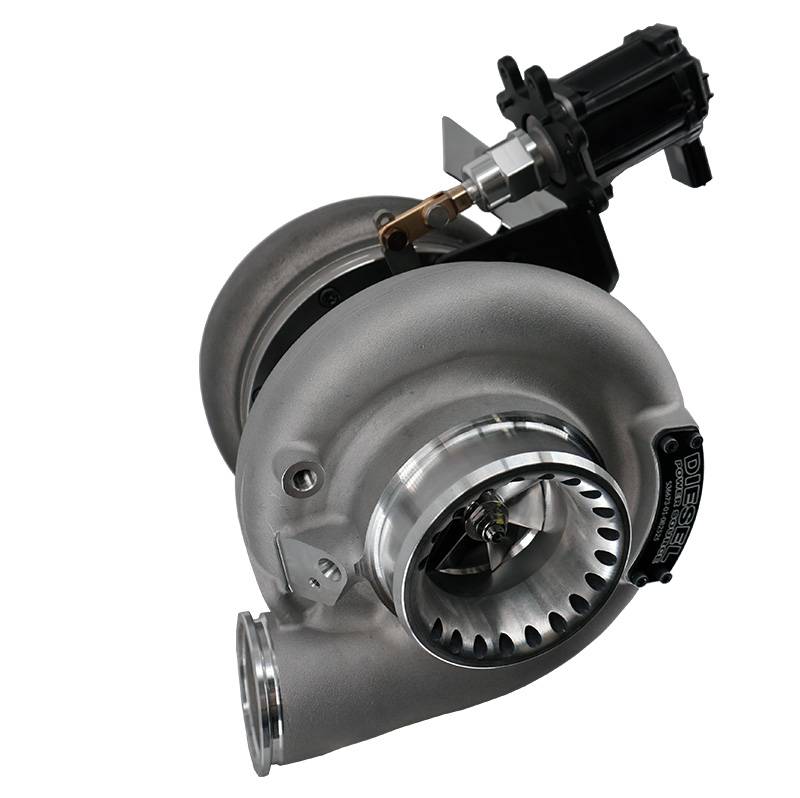
DPS S300 Turbo for 12V Cummins 1989-1998 | S362-S366 | 1st Gen & 2nd Gen
Diesel Power SourceSKU: SGT0109·MPN: SGT0109
S300 Single Turbo for 12V Cummins 1989-1998 | 1st Gen & 2nd Gen Dodge Ram
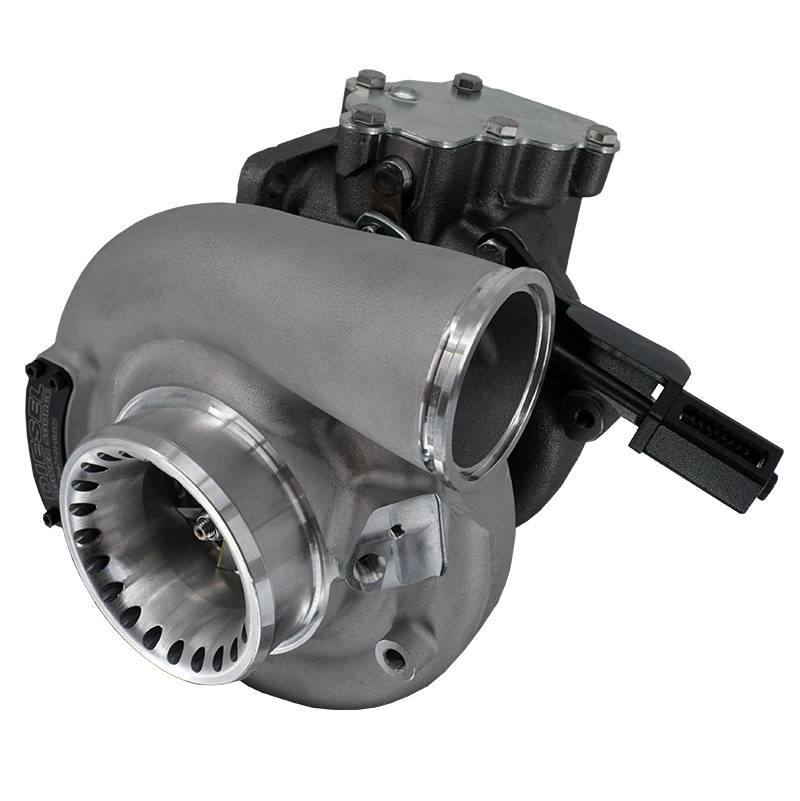
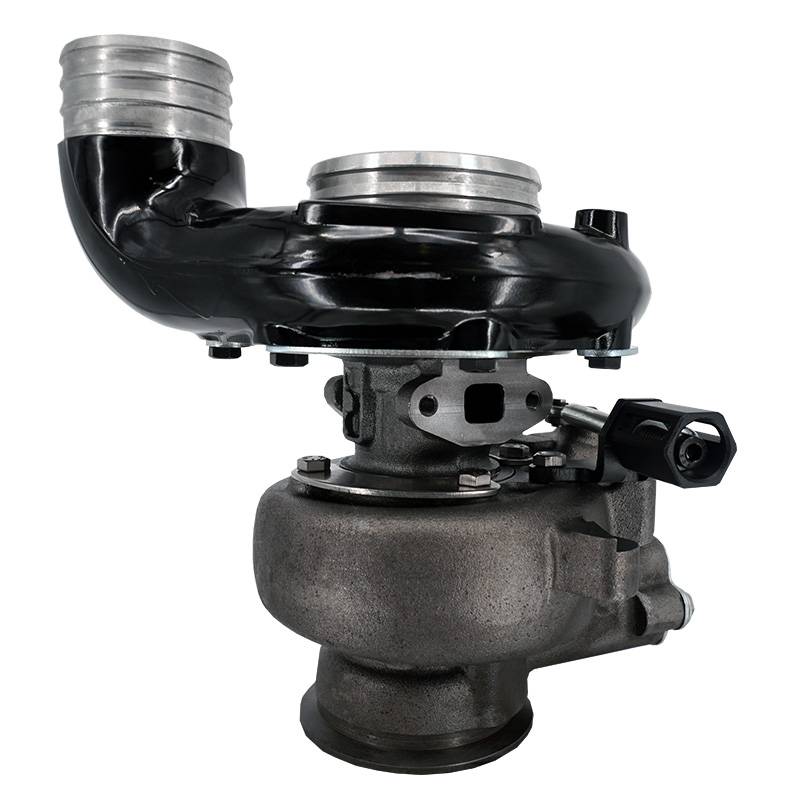
The Diesel Power Source® S300 single turbo for 1989-1998 Dodge Ram trucks with the 5.9L 12-valve Cummins engine is a direct bolt-on performance upgrade for both 1st gen (1989-1993) and 2nd gen (1994-1998) trucks. Choose from 8 stage configurations from Stock power to 700 HP (rear wheel), with journal bearing and dual ceramic ball bearing options at every size. Every DPS S300 turbo includes a 360° thrust bearing, forged machined compressor wheel, high-flow dual valve wastegate, and a new intercooler hose.
Because the 12V Cummins uses mechanical fuel injection (VE pump or P7100), no ECM, no computer, and no programmer are required. The mechanical injection system responds directly to the improved airflow. Bolt the turbo on, and the engine responds immediately. This is one of the biggest advantages of the 12V platform for turbo upgrades.
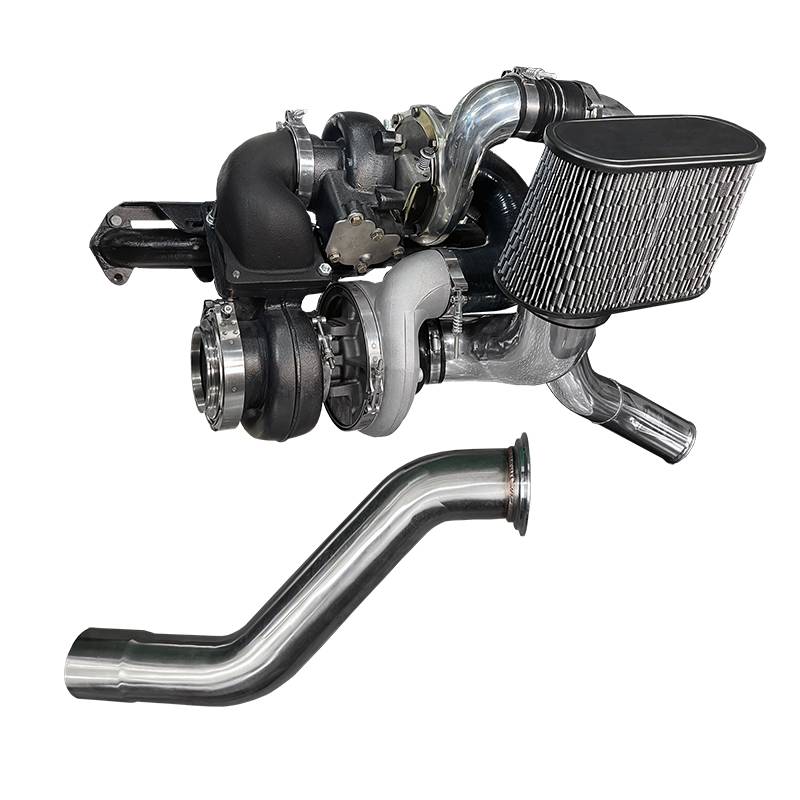
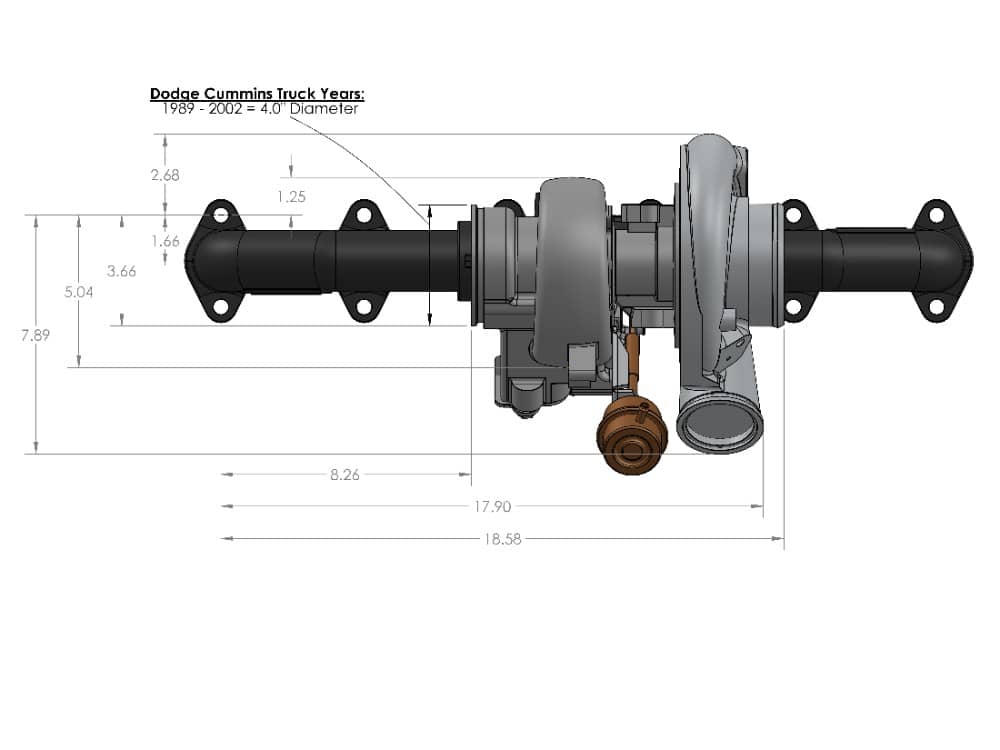
4" Downpipe Required. All 1989-1998 12V trucks require a 4" HX40/S300 style exhaust downpipe when running an aftermarket turbo. The downpipe is sold separately. See our 4" Downpipe for 12V Cummins.
Stage Selection Guide
Stage 1.5: S362/68/.70
- Compressor: 62mm
- Turbine: 68mm / .70 A/R
- Max HP: 450 HP
- Best For: Towing, daily driving, stock-to-moderate builds
Stage 2.5: S362/68/.70 BB
- Compressor: 62mm
- Turbine: 68mm / .70 A/R
- Max HP: 450 HP
- Best For: Same as 1.5 with faster spool (ball bearing)
Stage 3: S363/68/.70
- Compressor: 63mm
- Turbine: 68mm / .70 A/R
- Max HP: 525 HP
- Best For: Moderate builds, towing with modified fueling
Stage 3.5: S363/68/.70 BB
- Compressor: 63mm
- Turbine: 68mm / .70 A/R
- Max HP: 525 HP
- Best For: Same as 3 with faster spool (ball bearing)
Stage 4: S363/73/.80
- Compressor: 63mm
- Turbine: 73mm / .80 A/R
- Max HP: 575 HP
- Best For: Higher HP builds, larger turbine for top-end flow
Stage 4.5: S363/73/.80 BB
- Compressor: 63mm
- Turbine: 73mm / .80 A/R
- Max HP: 575 HP
- Best For: Same as 4 with faster spool (ball bearing)
Stage 7: S366/73/.80
- Compressor: 66mm
- Turbine: 73mm / .80 A/R
- Max HP: 700 HP
- Best For: Performance builds, sled pulling, competition
Stage 7.5: S366/73/.80 BB
- Compressor: 66mm
- Turbine: 73mm / .80 A/R
- Max HP: 700 HP
- Best For: Same as 7 with faster spool (ball bearing)
BB = Dual Ceramic Ball Bearing. Ball bearing stages spool 150-200 RPM faster than the journal bearing equivalent. Recommended for towing applications and compound setups.
Which Stage Should I Choose?
Towing and daily driving (stock to 500 HP): Stages 1.5 through 3.5 with the 62mm or 63mm compressor and 68mm turbine. These spool quickly and outflow the factory turbo by approximately 70%. The S362 offers spool behavior very close to stock while delivering dramatically lower EGTs and 45-85 additional rear-wheel HP depending on fueling modifications.
Performance builds (500-700 HP): Stages 4 through 7.5 with the 73mm turbine wheel. The S366 can spool nearly as quickly as a stock turbo while delivering nearly double the airflow (approximately 930 CFM vs ~550 CFM stock). These are popular with 12V trucks that have modified P7100 pumps, larger injectors, and adjusted timing.
1st gen (VE pump) trucks: HP gains on 1st gen trucks are typically 10-18% depending on fueling modifications. The VE pump limits fueling compared to the P7100, so turbo choice should match your fuel system capability. Contact DPS if you're unsure which stage matches your VE pump setup.
No ECM or Programmer Required
The 12V Cummins uses the Bosch VE (1989-1993) or P7100 (1994-1998) mechanical injection pump. Neither requires electronic tuning, a programmer, or any computer interface to work with an aftermarket turbo. The injection pump responds directly to the increased airflow from the DPS turbo. Most 12V turbo builds pair the turbo upgrade with modified P7100 delivery, larger injectors, and adjusted timing to match the increased airflow capacity. This mechanical simplicity is one of the key reasons 12V trucks remain so popular for performance builds.
1st Gen vs 2nd Gen Installation Notes
- All 12V trucks: A 4" exhaust downpipe is required (sold separately). 12V engines have a single oil drain port.
- 1st gen trucks (1989-1993): A new intercooler hose is included with the turbo. Some 1st gen configurations may require additional intercooler hose modifications depending on the specific truck.
- 2nd gen trucks with automatic transmissions (1994-1998): Some trucks with the 47RH or 47RE automatic require relocation of the trans oil cooler on the side of the engine block. DPS sells a trans cooler relocation kit for $149.
What's Included
- DPS S300 Turbocharger (stage selected at checkout)
- DPS 6-pad 360° thrust bearing (50% more thrust capacity than standard)
- Forged machined compressor wheel (FMW)
- High-flow dual valve wastegate (flows 2x standard S300 wastegate)
- Adjustable wastegate (turn of a nut)
- New intercooler hose (black)
- Installation hardware
Not included (sold separately): 4" exhaust downpipe (required), exhaust manifold, gaskets, oil lines. Available as add-ons or see Related Products below.
Turbonator® VGT Upgrade
Every DPS S300 turbo for the 12V Cummins can be upgraded with the Diesel Power Source® Turbonator® VGT exhaust housing. The Turbonator® is completely self-contained and works on all 12V truck years, including 1st gen trucks that never had exhaust braking from the factory. This is the only way to add variable geometry performance and exhaust braking to a 12V Cummins.
- VGT Without Exhaust Brake (+$950): 3-stage mechanical actuator. Improves spool by 200-300 RPM.
- VGT With Exhaust Brake (+$1,850): Electronic actuator with exhaust brake. Same spool improvements plus exhaust braking on any 12V truck.
Turbonator® VGT Exhaust Brake Performance, 5.9L Cummins with Automatic Transmission
Overview: The Turbonator® VGT exhaust brake closes the vanes to build exhaust back pressure in the cylinder, creating an engine braking effect. This is the same operating principle used by the factory VGT exhaust brake on 2008-and-newer 6.7L Cummins trucks.
Exhaust Brake Pressure, 5.9L vs 6.7L: The Turbonator® VGT exhaust brake on a 5.9L Cummins produces exhaust brake pressure equal to or greater than the factory exhaust brake on a 2008-and-newer 6.7L Cummins, typically 60 to 70 PSI and often higher. The turbo-side performance is not the limiting factor.
Why Braking Feel Differs, Torque Converter Lockup: The functional difference in perceived braking between the 5.9L and 6.7L is in the transmission, not the turbo. The 6.7L Cummins automatic transmission holds the torque converter in lockup during exhaust braking. The 5.9L Cummins automatic transmission does not lock the torque converter during braking. Without torque converter lockup, approximately 300 to 500 RPM of slip occurs between the engine and the drivetrain. This slip reduces the effective transfer of engine braking force to the wheels, making the exhaust brake feel less effective even when exhaust pressure is normal or above specification.
How to Maximize Exhaust Brake Effectiveness on 5.9L Automatic:
- Place the transmission in tow/haul mode before engaging the exhaust brake
- Downshift one to two gears to raise engine RPM when engaging the brake
- These steps are required for the transmission to contribute meaningfully to braking force. Without them, the torque converter will slip and reduce effective engine braking regardless of exhaust pressure.
Optional upgrade: For the closest possible feel to a 6.7L locked-converter exhaust brake on an automatic transmission, an aftermarket torque converter lockup switch can be added and is recommended.
Manual transmission: 5.9L trucks with a manual transmission are not affected by this issue. The exhaust brake operates at full effectiveness without any additional steps.
Key Features
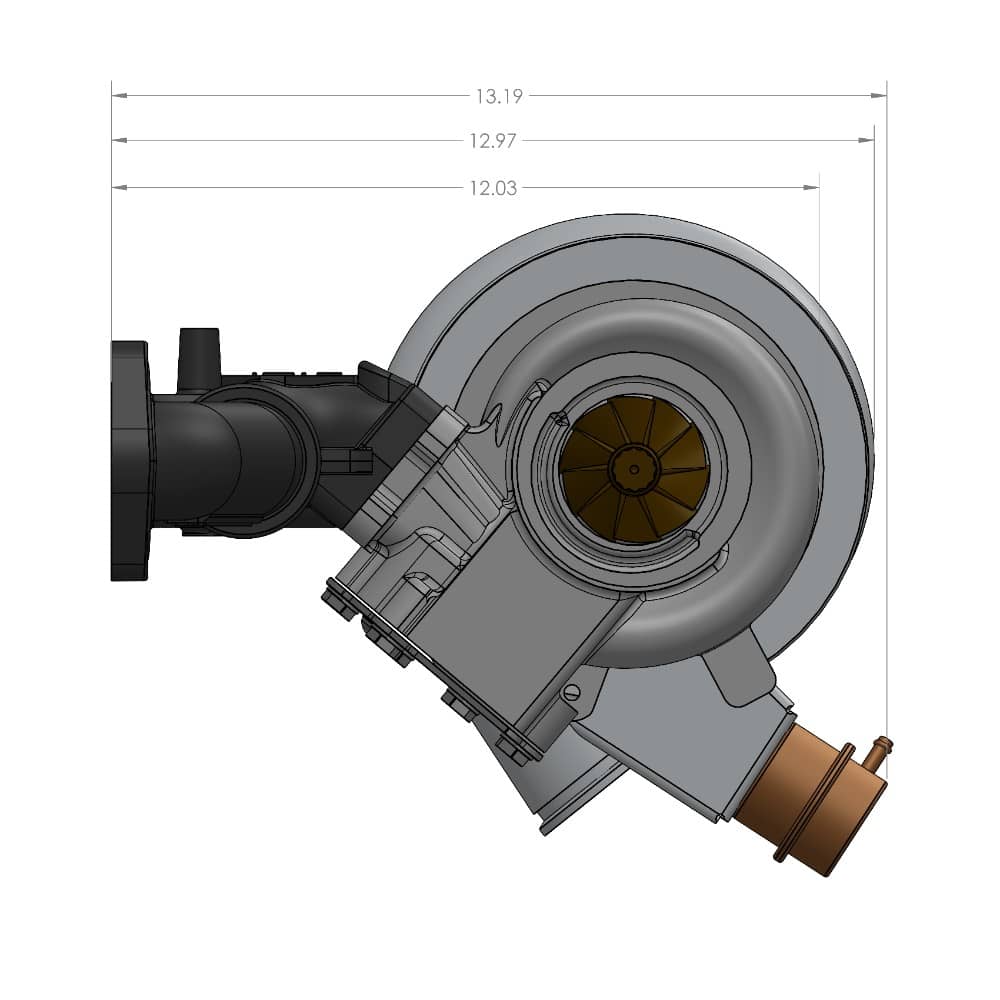
- Direct Bolt-On: Fits factory T3 manifold location on 1989-1998 12V trucks
- No ECM Required: Mechanical injection responds directly to improved airflow
- 360° Thrust Bearing: DPS 6-pad design, 50% more thrust capacity
- Forged Machined Compressor Wheel: Stronger than cast, improved airflow
- High-Flow Dual Valve Wastegate: 2x flow of standard S300 wastegates
- ~930 CFM vs ~550 CFM Stock: Near double the airflow of factory turbo (S366 stage)
- 8 Stage Options: Stock power to 700 HP, journal and ball bearing at every size
- Turbonator® VGT Available: Add exhaust braking to any 12V truck
- Compound Compatible: Can be used as primary turbo in DPS compound system
- Outperforms Competitors: Outflows comparable HTB2, Phat Shaft, Super B, and Aurora turbos
Start Single, Go Compound Later
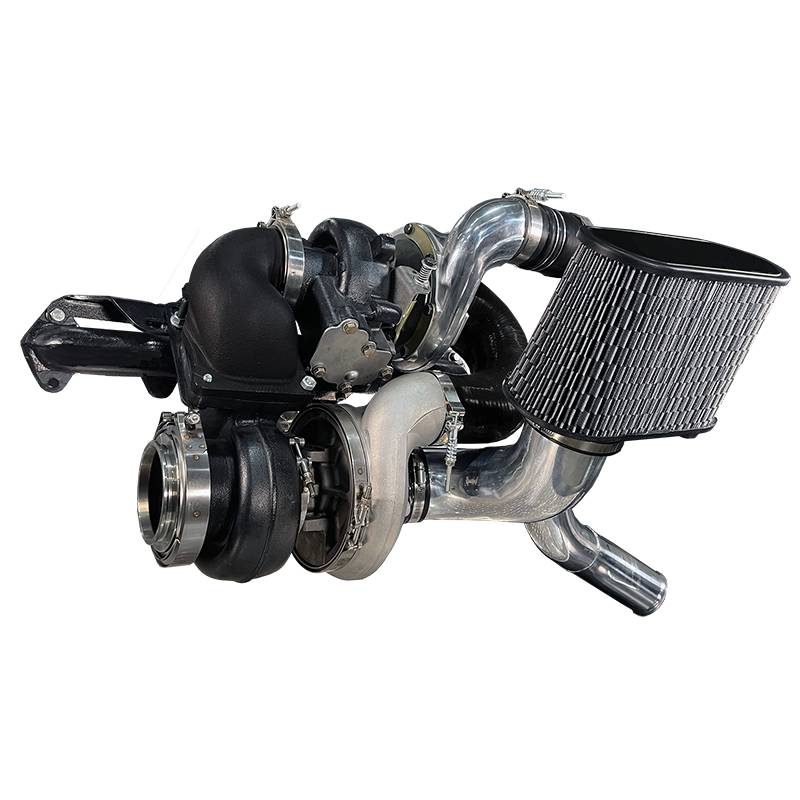
Many 12V owners start with a single S300 turbo and later add a second turbo using the DPS Add-a-Turbo Kit or upgrade to the full Complete 12V Compound Kit. If you plan to go compound in the future, let DPS know when ordering so the wastegate can be configured with a spring gate to handle the higher boost pressures without damage.
Head Studs and Fire Rings
On 1989-1998 12V Cummins engines, head studs are recommended for boost pressures over 45 PSI. Fire rings are recommended for boost pressures over 55 PSI.
Fitment
This S300 turbo fits 1989, 1990, 1991, 1992, 1993, 1994, 1995, 1996, 1997, and 1998 Dodge Ram trucks with the 5.9L 12-valve Cummins engine. Covers both 1st gen (1989-1993 with VE pump) and 2nd gen (1994-1998 with P7100).
Have a different Cummins platform?
- S300 Turbo for 24V Cummins 1998.5-2002
- S300 Turbo for 5.9 Cummins 2003-2007 (3rd Gen)
- S300 Turbo for 6.7 Cummins 2007.5-2018
Related 12V Cummins Products
Frequently Asked Questions
For towing and daily driving on a 1989-1998 12V Cummins, Stages 1.5 through 3.5 (S362 or S363 with a 68mm turbine) are the best choice for stock to 500 HP. They outflow the factory turbo by about 70% and the S362 spools very close to stock. Stages 4 through 7.5 use a 73mm turbine for 500-700 HP builds with a modified P7100, larger injectors, and adjusted timing.
No. The 12V Cummins uses the mechanical Bosch VE pump (1989-1993) or P7100 (1994-1998), so no ECM, tune, or programmer is needed for the DPS S300 turbo. The injection pump responds directly to the added airflow. On 1st gen VE pump trucks, horsepower gains are typically 10-18%, so match the turbo stage to your fuel system.
Every 1989-1998 12V truck needs a 4" HX40/S300 style exhaust downpipe, which is sold separately. The turbo ships with installation hardware and a new intercooler hose; the exhaust manifold, gaskets, and oil lines are sold separately. Some 1994-1998 trucks with the 47RH or 47RE automatic also need the trans oil cooler relocated, and DPS sells a trans cooler relocation kit.
Yes. The Diesel Power Source® Turbonator® VGT with exhaust brake adds variable geometry and engine braking to any 12V Cummins, including 1st gen trucks that never had a factory exhaust brake. The electronic actuator provides braking, and the 3-stage mechanical actuator improves spool by 200-300 RPM without braking. On automatic trucks, use tow/haul and downshift one to two gears for full braking force.
Yes. Many 12V owners start with the DPS S300 and later add the 12V Add-A-Turbo Kit or move to the complete 12V compound kit, with the S300 as the high-pressure turbo. Tell DPS when ordering if you plan to go compound so the wastegate is set up with a spring gate. Head studs are recommended over 45 PSI of boost and fire rings over 55 PSI.