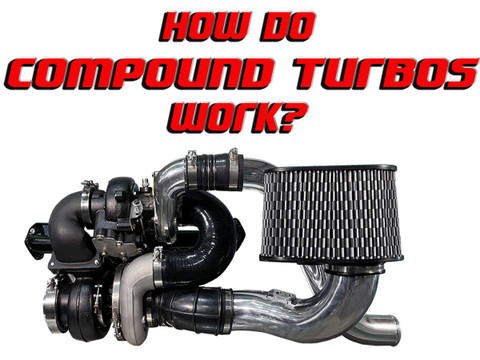
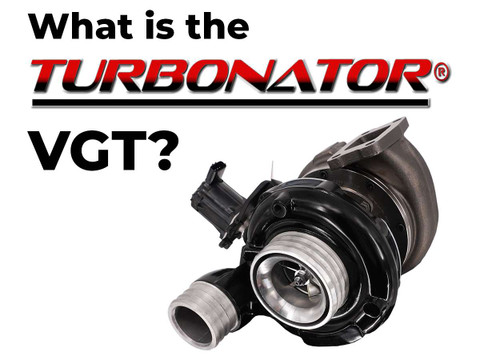
A Diesel Power Source® ball bearing turbo replaces the standard journal bearing in the center section (CHRA) with dual ceramic ball bearings. The result is a turbo that spools approximately 200 RPM sooner than the journal bearing version of the same size, with the same horsepower range. The ball bearing CHRA is available on any DPS S300 turbo and on S400 turbos, on 3rd Gen swap kits, on the 6.7L Turbonator® VGT, and on the high-pressure turbo in every DPS compound kit for 5.9L and 6.7L Cummins.
Shop Ball Bearing Turbos by Application
About 200 RPM Sooner Spool
Compared to the journal bearing version of the same turbo
Same HP Range
Matches the journal bearing turbo with the same compressor wheel
Room to Size Up
Run a larger wheel with spool closer to the next size down
Dual Ceramic Bearings
Available on S300 and S400 singles, swap kits, and compound kits
Why Choose a Ball Bearing Turbo?
Sooner Spool at Every Size
The ball bearing CHRA spools approximately 200 RPM sooner than the journal bearing CHRA, and the gain holds across turbo sizes. Boost arrives earlier, which is most noticeable when towing or pulling from low RPM.
Same Power, Faster Response
A ball bearing turbo supports the same horsepower range as the journal bearing turbo with the same compressor wheel. The upgrade changes how quickly the turbo responds, not how much power it supports.
Run a Larger Turbo Without the Lag
Each 1mm of S300 compressor wheel adds roughly 100 RPM to spool. The ball bearing's roughly 200 RPM advantage lets you choose the larger turbo for more headroom while keeping spool closer to the smaller size. On compound kits, the ball bearing stages start at a lower HP point than the matching journal bearing stages for the same reason.
Recommended at the Top of the Range
The S369 is the largest S300 compressor wheel and the slowest to spool. DPS recommends the ball bearing upgrade at that size to offset the spool lag of the bigger wheel.
Ball Bearing vs. Journal Bearing: When Is It Worth It?
Towing and Daily Driving
If you tow regularly and want boost as early as possible, the ball bearing upgrade delivers its roughly 200 RPM advantage where you feel it most: pulling from low RPM under load.
Deciding Between Two Sizes
Torn between a smaller turbo for spool and a larger one for power? Choose the larger turbo with the ball bearing CHRA to get spool characteristics closer to the smaller turbo while keeping the extra headroom.
Ball Bearing and Turbonator® VGT Together
The gains stack. The ball bearing adds about 200 RPM and the Turbonator® VGT adds about 200-300 RPM, depending on wheel size, for roughly 400-500 RPM sooner spool than a journal bearing turbo with a fixed turbine housing of the same size.
Ball Bearing Turbo Care and Warranty Requirements
- Synthetic oil only: Ball bearing turbos require synthetic-based oil.
- Install the oil restrictor: The restrictor fitting ships with the turbo and must be installed in the oil feed. Without it, too much oil reaches the bearings at high RPM.
- Cool down before shutdown: After hard driving, idle until EGTs drop below 380°F (350°F recommended) before shutting the engine off.
- Regular oil changes: Change oil at the manufacturer-recommended interval. Dirty oil shortens bearing life.
These four items are required for ball bearing turbo warranty coverage. With proper care, ball bearing turbos last very well.
Available On
- DPS S300 single turbos, every size
- DPS S400 turbos
- DPS 3rd Gen swap kits for the 6.7L Cummins
- The S300 Turbonator® VGT for the 6.7L Cummins
- The S300 high-pressure turbo in every DPS 5.9L and 6.7L compound kit
Ready to upgrade? Shop the 5.9L ball bearing turbo, the 6.7L ball bearing swap kit, or compound kits with the ball bearing upgrade. Also see Turbonator® VGT upgrades and S300 single turbos. Free shipping on orders over $350.
Cummins is a registered trademark of Cummins Inc. Diesel Power Source® is not affiliated with Cummins Inc.