-

(2)
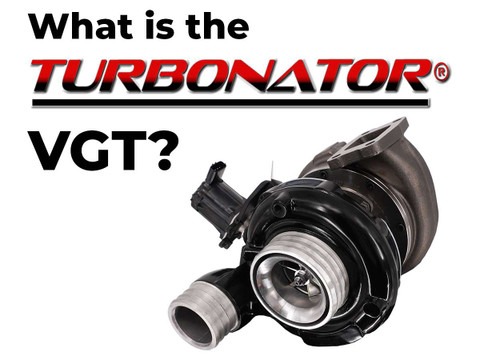
DPS HE300VG Replacement Turbo for 6.7 Cummins 2007.5 - 2024 Ram 2500/3500
Choose Options$2,995.00 - $3,895.00 -
-

-

-

-



HE300VG turbo upgrades, the HE366VG high-flow upgrade, and the 5G exhaust manifold for the 2019-2024 6.7L Cummins - engineered by Diesel Power Source.
(2)
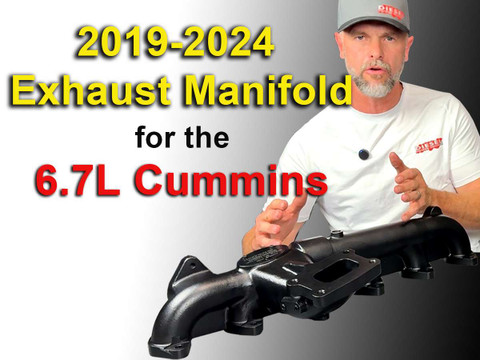
The 2019-2024 5th gen 6.7L Cummins is the most powerful Cummins ever built from the factory, producing up to 1,075 lb-ft of torque in High Output trim. The 5th gen uses a completely redesigned lower-mount turbo position and a proprietary 5G exhaust flange that is different from all previous generations. DPS builds HE-series replacement and upgrade turbos, the 5G exhaust manifold, and turbo-and-manifold kits specifically engineered for this platform.
The factory HE300VG turbo is a solid unit at stock power levels, but it runs out of airflow on tuned trucks and is prone to the same actuator and sticking vane issues that affect all HE300VG-equipped generations. DPS offers direct replacement and upgrade turbos that bolt into the 5th gen lower-mount position with no modifications, plus the 5G high-flow exhaust manifold that delivers over 75% more flow than factory.
Engineered for the unique lower-mount turbo position
Upgraded turbos and manifold reduce exhaust temps under load
All 5th gen DPS products work with factory emissions
HE366VG flows 35% more air than stock HE300VG
HE300VG direct replacement - fixes actuator failures, sticking vanes, P003A and P2262 codes. Same factory specs, new turbo. Maintains exhaust brake and all emissions. Best option if your stock turbo has failed and you want to restore factory performance.
HE363VG or HE366VG upgrade - larger DPS compressor and turbine wheels in the same factory housing. More airflow, measurably cooler EGTs, improved throttle response. The HE366VG flows approximately 35% more air than stock and is the best current single turbo option for 5th gen builds up to 650 HP.
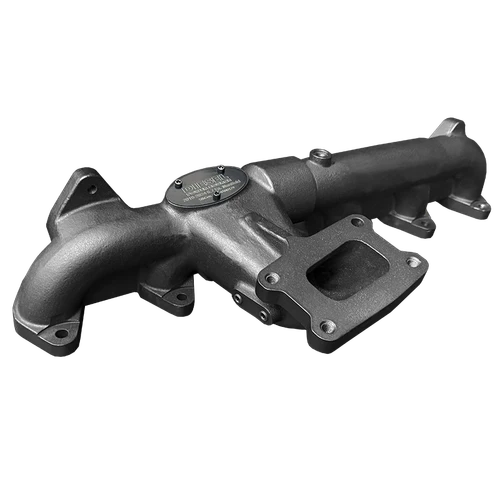
5G Exhaust Manifold - over 75% more flow than factory. 2-piece HSMD ductile iron with expansion joints resists cracking. Pairs with any HE-series turbo for a complete intake-to-exhaust airflow improvement. Best results when combined with a turbo upgrade.
Ready to upgrade? Browse 5th Gen HE-Series Turbos, 5G Exhaust Manifold, or call 801-930-8404 for help choosing the right upgrade.
The 5th gen represents the most significant leap forward in Cummins history.
Major improvements over 2013-2018:
Why 2019-2024 is ultimate platform:
Latest 6.7L supports all turbo options; HO baseline already strong.
HE400VG VGT upgrade (keep all factory features):
S300 fixed-geometry singles:
S400 singles (serious power):
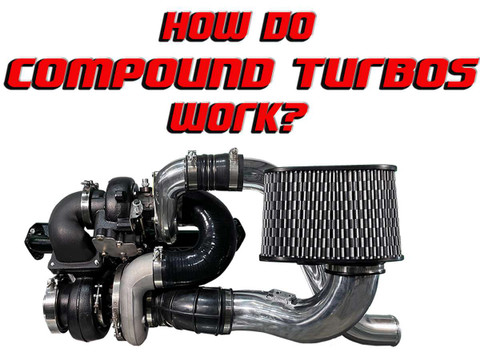
Compound turbo systems (ultimate):
EGT improvements: 150-300°F; critical with massive factory torque.
Stock HE400VG baseline (HO with aggressive tune):
After Turbonator® HE400VG or enhanced VGT:
After S369 or S372 fixed-geometry single:
After S300/S400 or S400/S400 compounds:
Why EGT control critical for latest 6.7L:
Safe EGT guidelines for 2019-2024 6.7:
These codes are generated by the 6.7L Cummins VGT turbocharger system when the ECM detects a problem with vane position control or boost production. P003A means the actuator exceeded its position limit — it couldn't move the vanes to where the ECM commanded. P2262 means boost was not detected when the engine expected it, pointing to an actuator problem, stuck vanes, boost leak, or physical turbo damage. P226C is the most misunderstood of the three — it simply means the actuator relearn was never completed, which is extremely common after any turbo or actuator replacement. Before replacing parts, confirm which code is present and follow the correct diagnostic path for that specific code.
If P226C is the primary code — especially after a recent turbo or actuator replacement — start with the relearn procedure before replacing anything. Using a scan tool with bi-directional Cummins VGT support, command the actuator through its full range of travel to teach the ECM its endpoints. If P003A or P2262 is present without a recent parts replacement, use the scan tool to command the actuator to 0% and 100% while monitoring actual position feedback. If the actuator responds sluggishly, stalls, or can't reach the commanded position, it needs replacement. If it responds correctly but boost is still low, the problem is elsewhere — boost leak, exhaust manifold crack, or internal turbo wear.
Several non-turbo issues can trigger P2262 and P0299 on the 6.7L Cummins. Cracked intercooler boots and loose charge air clamps are among the most common — a significant boost leak prevents the system from building detectable pressure regardless of how well the turbo is functioning. A cracked exhaust manifold reduces drive pressure at the turbine inlet, limiting how much boost the turbo can generate. Failed intercooler end tanks and split intake tubes are also worth checking. Always pressure test the full charge air circuit before condemning the turbo or actuator
If your truck has under 150,000 miles and an isolated actuator failure, a quality actuator replacement and relearn is a clean, cost-effective fix. For high-mileage trucks or those with repeated VGT issues, upgrading to the Turbonator® VGT delivers improved reliability, better performance, and a more durable actuator in a direct bolt-in package-all while keeping exhaust brake and emissions compatibility intact. For deleted trucks or builds targeting higher power, the DPS 3rd Gen Swap Kit eliminates the VGT system entirely with a proven fixed-geometry S300 setup.
While you have the turbo system accessible, check the turbo oil feed and drain lines for restriction or clogging — degraded oil supply is a leading cause of turbo bearing failure. Inspect the coolant lines at the turbo for cracking and leaks. Check the downpipe for cracks that allow exhaust to escape before the aftertreatment system. Addressing these items at the same time as the turbo repair prevents repeat failures and avoids returning to the same job later.