null Skip to main content

5.9 12V Cummins | 1994 – 1998

1994-1998 12V Cummins Performance Parts | Second Gen Dodge

The Legendary P7100 P-Pump Platform

The 1994-1998 12-valve Cummins represents the pinnacle of mechanical diesel performance—the legendary P7100 inline injection pump combined with the bulletproof 12-valve engine in the refined second-generation Dodge body.

This platform is the most sought-after Cummins for serious performance builds, capable of 500-800+ HP with mechanical simplicity. Our performance parts deliver 200-300°F cooler EGTs, instant throttle response, and the reliability that made these trucks legendary.

P7100 P-Pump Power

500-800+ HP capable with mechanical injection

200-300°F Cooler EGTs

Proven thermal management for heavy loads

2nd Gen Fitment

Designed for 1994-1998 Dodge chassis

No Electronics Needed

Pure mechanical tuning—no laptop required

1994-1998 12V Cummins Platform Specifications

  • Engine code: 6BT 5.9L (359 cubic inches)
  • Fuel system: Bosch P7100 inline mechanical injection pump (215 HP models have 913 head)
  • Factory power: 175 HP (94-95) / 180 HP (96) / 215 HP (97-98) / 235-245 HP (98.5 California)
  • Stock turbo: Holset HX35 (97-98 have HX35W wastegated version)
  • Chassis: Dodge Ram 2500/3500 second generation (rounded body style)
  • Transmissions: NV4500 5-speed manual or 47RE 4-speed automatic (both significantly better than 1st gen)
  • Unique features: Most modification-friendly Cummins ever built, P7100 supports extreme power

Popular Upgrade Paths for 1994-1998 12V Cummins

Daily Driver / Moderate Towing (400-500 HP)

S300 single turbo + basic P-pump mods (AFC, fuel plate, #10 plate) + 4" exhaust. Perfect street/tow balance, 175-225°F cooler EGTs.

Heavy Towing / Performance (500-650 HP)

Larger S300 or S400 single + full P-pump work (delivery valves, gov springs, timing) + injectors + built trans. Serious power, still drivable.

Competition / Extreme Builds (650-1000+ HP)

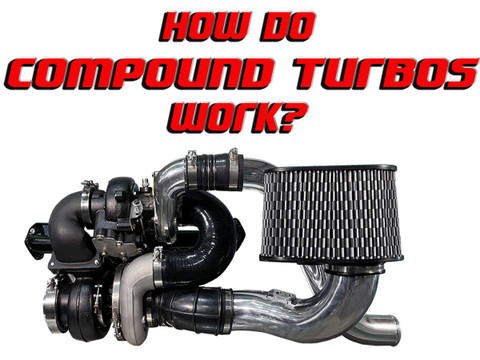
Compound turbos + full race P-pump + big injectors + built trans + head studs + supporting mods. Sled pulling, drag racing, extreme towing capability.

Why 2nd Gen 12V is the Holy Grail: This generation combines the mechanical P7100 pump (capable of supporting 800+ HP with modifications) with the more refined second-gen chassis, stronger transmissions, and better cooling. It's the last year of pure mechanical Cummins before electronics, making it infinitely tunable and bombproof reliable.

1994–1998 Dodge Cummins 12V – Frequently Asked Questions

The P7100 P-pump is the key—it's the holy grail of mechanical diesel injection.


Why P7100 is legendary:


  • Massive power potential: Stock pump supports 500 HP; modified pumps proven to 1,200+ HP (with proper fueling and air)
  •  
  • Mechanical simplicity: No electronics, no sensors, no failure points—just mechanical precision
  •  
  • Infinite tunability: Can be adjusted with hand tools, supports massive modifications
  •  
  • Reliability: Proven to handle extreme abuse in competition and commercial use
  •  
  • Parts availability: Huge aftermarket for performance P-pump components
  •  
 

Advantages over other 12V years:


  • vs. 1989-1993: P7100 pump (500-800+ HP) vs. VE pump (~400 HP limit). Better transmissions (NV4500, 47RE). More refined chassis.
  •  
  • vs. 1998.5-2002 24V: Mechanical injection (no VP44 failure issues). Simpler, more reliable, easier to modify. No electronics.
  •  
  • vs. 2003+ common rail: No complex ECM tuning needed. No high-pressure fuel system failures. Pure mechanical control.
  •  
 

Why enthusiasts seek 94-98 specifically:


  • Last mechanical Cummins in refined chassis
  •  
  • Best combination of power potential and simplicity
  •  
  • Strong transmissions from factory
  •  
  • Massive aftermarket support
  •  
  • Proven platform—decades of performance builds to learn from
  •  
 

What makes 1998 special: The 1998 24-valve came out mid-year (98.5), so early 1998 trucks still have 12V with P-pump. Late 1998/1998.5 switched to 24V with VP44 electronic pump. Early 1998 12V trucks are highly sought after—newest 12V you can get.

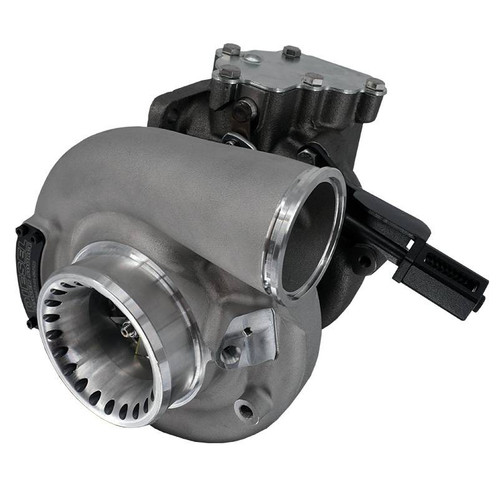
The right turbo for a 1994–1998 12V Cummins depends on three things: how the truck is used, what P-pump work is planned, and what power level is the target. For a daily driver or moderate tow truck with basic P-pump adjustments targeting 450 to 550 HP, the S366 with the Turbonator® VGT option is the strongest all-around choice — quick spool, strong EGT reduction, and exhaust brake capability. For heavy towing builds targeting 600 HP and above, compound turbos deliver better EGT control and a wider powerband than large singles. For competition or extreme builds the turbo selection is driven by the fuel system — the P7100 will deliver whatever the pump is tuned for, and the turbo must be sized to handle that fuel volume efficiently. Contact the Diesel Power Source® team with your specific truck, current mods, and goals for a direct recommendation.

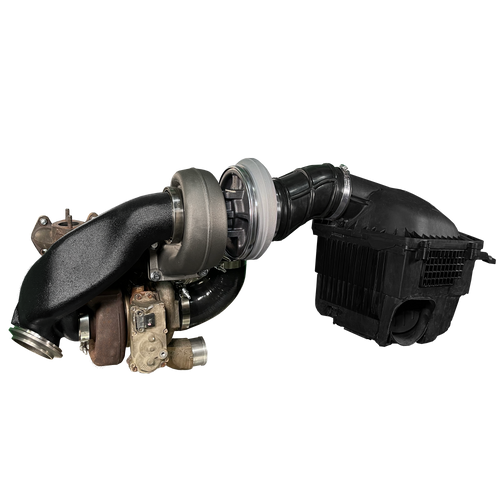
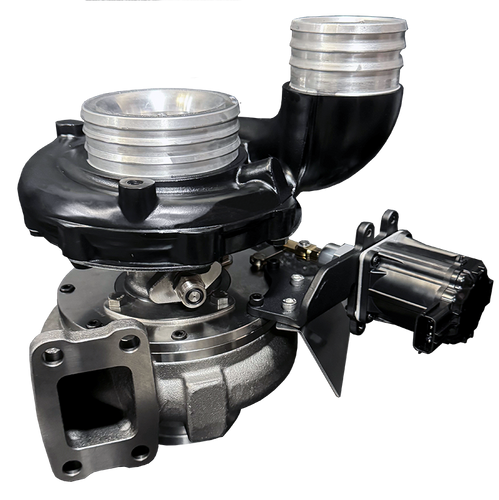
For P7100-equipped 1994–1998 trucks the S366 is the most popular choice for street and tow builds targeting 500 to 650 HP — it pairs well with the P7100's fueling characteristics and spools well in the RPM range where the 12V makes its best torque. The S362 is better suited to mild builds and VE-pump trucks where the goal is EGT reduction and improved drivability at moderate power levels. The S369 and S400-frame turbos suit more aggressive P-pump builds targeting 650 HP and beyond. For trucks used for sustained heavy towing, a compound system in the S300/S400 configuration delivers better EGT reduction and a wider usable powerband than any single turbo — the Diesel Power Source® 12V compound kit is available in multiple configurations to match the build level.

For towing applications on the 1994–1998 12V, the compound turbo kit in the S300/S400 configuration is the most capable and practical choice. The small high-pressure turbo provides the quick spool needed for pulling from a stop under load, while the large secondary turbo delivers sustained airflow on long grades that keeps EGTs 200 to 300 degrees below what a single-turbo truck sees under the same conditions. For trucks that must stay on a single turbo, the S366 with the Turbonator® VGT option provides the best combination of EGT reduction, towing response, and the exhaust brake function that makes extended descents under load safe and controlled.

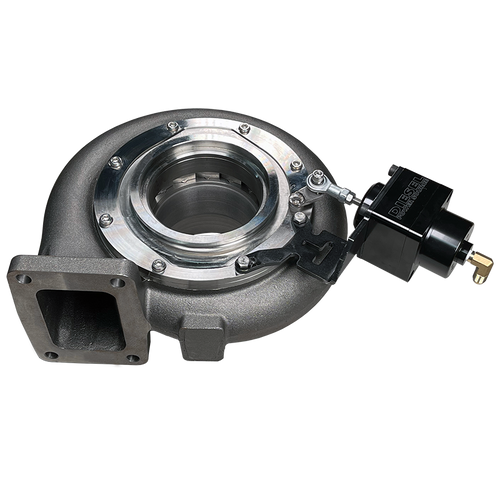
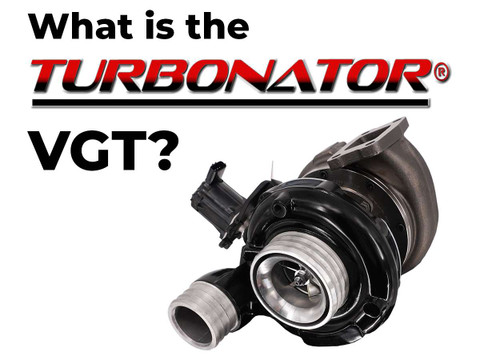
The Turbonator® VGT replaces the standard wastegated exhaust housing on the S300 turbo with a variable geometry housing that uses movable vanes to actively adjust exhaust flow. On the 12V Cummins this improves spool by approximately 200 to 300 RPM over a fixed-geometry housing and — most significantly for this platform — enables exhaust brake function. Neither the 1st gen nor 2nd gen 12V Cummins had factory exhaust braking, which means any extended descent under load relies entirely on friction brakes. The Turbonator® VGT exhaust brake changes this completely, providing meaningful engine braking on grades and extending brake life on trucks used for towing. It is available with or without the exhaust brake controller.

P7100 platform supports any turbo configuration—choice depends on power goals.


For street/tow builds (400-550 HP):


  • S300 singles: S362 (balanced), S366 (sweet spot), S369 (performance)
  •  
  • Benefits: Quick spool, minimal lag, 175-225°F cooler EGTs, clean exhaust
  •  
  • Supporting mods: Basic P-pump work (AFC, fuel plate, #10 plate), 4" exhaust, gauges
  •  
  • Best for: Daily drivers, moderate-heavy towing, great all-around choice
  •  
 

For performance/heavy towing (550-700 HP):


  • S400 singles: S472, S475 (larger frames possible but laggy for street)
  •  
  • Benefits: Massive airflow, supports big fueling, handles sustained high power
  •  
  • Limitations: Noticeable lag below 1,800 RPM, smoky until boost comes in
  •  
  • Supporting mods: Full P-pump build, injector upgrades, built trans, head studs
  •  
  • Best for: Competition-lite, drag racing, sled pulling, extreme towing
  •  
 

For ultimate performance (650-1000+ HP):


  • Compound turbo systems: S300/S400 (650-800 HP) or S400/S400 (800-1000+ HP)
  •  
  • Benefits: No lag (instant response), 200-300°F cooler EGTs, massive power that's drivable
  •  
  • Best use: Serious competition, extreme towing, high-HP street trucks
  •  
  • Supporting mods: Everything (full race P-pump, big injectors, built trans, studs, forged internals for 900+ HP)
  •  
 

P7100-specific turbo advantages:


  • Mechanical pump means you can match fueling precisely to turbo
  •  
  • No ECM limitations—pump will deliver whatever fuel you tune it for
  •  
  • Can run extreme boost levels (80+ PSI with compounds) that electronics won't allow
  •  
  • Instant throttle response with proper pump timing and delivery valves
  •  

Second gen 12V is very reliable but has a few known issues to address.


Critical issue: Killer Dowel Pin (KDP)


  • What it is: Front gear case dowel pin can work loose and fall into timing gears
  •  
  • Result: Catastrophic engine destruction (destroys cam, crank, timing gears)
  •  
  • Solution: KDP tab installation or pin removal ($15-50 part, 1-2 hours labor)
  •  
  • DO THIS FIRST: Before any performance mods, address KDP. It WILL fail eventually.
  •  
  • All 94-98 12V affected: Factory defect, not performance-related, but high-RPM makes it worse
  •  
 

Lift pump failure:


  • Issue: Mechanical lift pump on block fails (especially 94-95 models)
  •  
  • Symptoms: Hard starting, power loss, P-pump damage from fuel starvation
  •  
  • Solution: Aftermarket electric lift pump ($300-700)
  •  
  • Upgrade anyway: Even if working, upgrade before performance mods
  •  
 

53 block concerns (1994 early models):


  • Issue: Some early 1994 trucks have weaker 53-block casting
  •  
  • Limitation: Thinner walls, prone to cracking above 600 HP
  •  
  • How to check: Cast number on front-left of block
  •  
  • If you have 53 block: Keep power conservative or swap to later block
  •  
  • Most 94-98: Have stronger blocks, not an issue for vast majority
  •  
 

Front cover/timing gear noise:


  • Issue: Timing gears develop slight play over time, create noise
  •  
  • Normal wear: Not dangerous unless excessive
  •  
  • Solution if bad: Timing gear replacement, check for proper backlash
  •  
 

Exhaust manifold cracking:


  • Issue: Stock cast manifolds crack from thermal cycling
  •  
  • More common: With performance builds (higher EGTs, more heat cycles)
  •  
  • Solution: Performance exhaust manifold (included in our turbo kits)
  •  
 

Transmission wear:


  • NV4500: 5th gear nut, syncros
  •  
  • 47RE: Overdrive unit, clutch packs
  •  
 

Otherwise bulletproof: Address KDP and lift pump, these engines run 500k+ miles regularly

Absolutely—with proper setup, high-HP 12V trucks make excellent daily drivers.


Why high-HP P-pump 12V works for daily use:


  • Instant throttle response: Mechanical injection = zero electronic lag
  •  
  • Tunable drivability: P-pump can be adjusted for smooth low-end or aggressive high-end
  •  
  • Reliable: No electronics to fail, no sensors, no computers
  •  
  • Easy repairs: If something breaks, can be fixed roadside with basic tools
  •  
 

Daily driving by power level:


400-550 HP (S300 single, moderate P-pump):


  • ✓ Drives like muscular stock truck
  •  
  • ✓ Minimal smoke with proper tuning
  •  
  • ✓ Good fuel economy possible (14-17 MPG highway)
  •  
  • ✓ Stock-ish manners, just way more power
  •  
  • ✓ Perfect daily driver sweet spot
  •  
 

550-700 HP (S400 single or compounds, full P-pump):


  • ✓ Still very drivable with proper turbo choice
  •  
  • ✓ Compounds better than large single for daily use
  •  
  • ~ Some smoke on hard acceleration (tuning-dependent)
  •  
  • ~ Fuel economy drops (12-15 MPG typical)
  •  
  • ✓ Requires more attention (gauges, maintenance)
  •  
  • ✓ Very rewarding to drive
  •  
 

700+ HP (compounds, race P-pump, big injectors):


  • ~ Can be daily driven but requires commitment
  •  
  • ~ Fuel economy suffers (10-13 MPG)
  •  
  • ~ More maintenance-intensive
  •  
  • ~ May have lopey idle, more noise
  •  
  • ✓ Compounds make it way more drivable than single
  •  
  • ✓ Incredible fun factor offsets challenges
  •  
 

Real-world daily driving experience:


  • Cold starts: Starts easily even below zero (grid heaters work well)
  •  
  • Idle: Smooth with street pump; may lope with race pump and big cam
  •  
  • Around town: Very manageable, easy to drive conservatively when needed
  •  
  • Highway: Comfortable cruiser, pulls strong for passing
  •  
  • Parking lots: No lag or weirdness, drives normally at low speeds
  •  
 

Keys to drivable high-HP 12V:


  • Choose compounds over huge single if daily driving
  •  
  • Tune P-pump for smooth low-end delivery
  •  
  • Proper clutch or converter for your power level
  •  
  • Don't go crazy on cam unless it's competition-only truck
  •  

Fuel economy varies dramatically based on modifications and driving habits.


Stock 2nd gen 12V baseline:


  • Highway (conservative driving): 19-23 MPG
  •  
  • Mixed driving: 16-19 MPG
  •  
  • Towing 15k lbs: 11-14 MPG
  •  
  • Note: 94-96 slightly better economy than higher-powered 97-98
  •  
 

Mild mods (basic P-pump tuning, turbo upgrade, conservative 400-450 HP):


  • Highway: 17-21 MPG (if driven conservatively)
  •  
  • Mixed: 15-18 MPG
  •  
  • Towing: 11-14 MPG
  •  
  • Reality: Can match or slightly beat stock if you stay out of boost
  •  
 

Moderate builds (500-600 HP, full P-pump work):


  • Highway: 15-18 MPG
  •  
  • Mixed: 13-16 MPG
  •  
  • Towing: 10-13 MPG
  •  
  • Challenge: Hard to resist using the power
  •  
 

High-HP builds (650+ HP, compounds, race pump):


  • Highway: 12-16 MPG (best case, light foot)
  •  
  • Mixed: 10-14 MPG
  •  
  • Towing: 8-12 MPG
  •  
  • Reality: Built for power, not economy. If you wanted MPG, you bought wrong truck.
  •  
 

Factors killing fuel economy:


  • Over-fueling without load: P-pump will dump fuel if you let it—black smoke = wasted diesel
  •  
  • Large injectors: More fuel capacity = easier to use more fuel
  •  
  • Heavy right foot: Biggest factor by far
  •  
  • Aggressive P-pump timing: Advanced timing burns more fuel
  •  
  • Weight additions: Bumpers, toolboxes, lift kits, big tires all hurt economy
  •  
  • Aerodynamics: Lift, large mirrors, running boards increase drag
  •  
 

Tips for better economy with P-pump mods:


  • Tune P-pump for clean, efficient fueling (not max smoke)
  •  
  • Keep boost under 20 PSI for cruising (use compounds for this)
  •  
  • Drive at 60-65 MPH instead of 75+ (huge difference)
  •  
  • Maintain proper tire pressure
  •  
  • Use cruise control on highway
  •  
  • Accept reality: big power and good MPG are opposites
  •  

No. A turbo upgrade does not affect the P7100 injection pump in any way — the two systems are mechanically independent. In fact, upgrading the turbo before turning up the P-pump is the correct sequence for a 1994–1998 12V build. The turbo upgrade lowers EGTs at current fueling levels, which creates headroom to safely increase fuel delivery through P-pump adjustments afterward. Running more fuel through the stock HX35 without first addressing the turbo raises EGTs to engine-damaging levels. Turbo first, then fuel — this is the standard upgrade sequence for P7100 builds.

#1 RATED COMPOUND TURBO KITS - FREE SHIPPING ON ORDERS OVER $300 - MADE IN THE USA - BACKED BY INDUSTRY LEADING ENGINEERING - SHOP WITH CONFIDENCE -