-
-

-

(7)
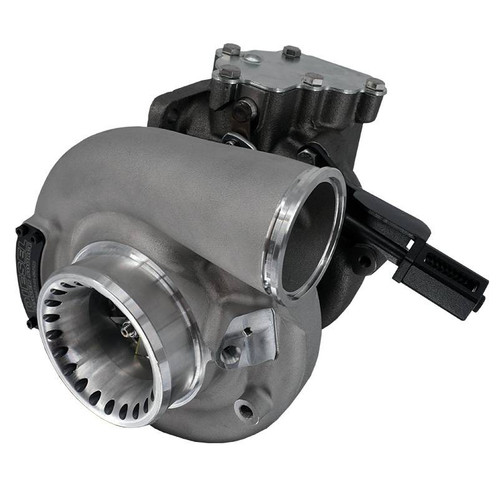
Ball Bearing Turbo for Dodge Cummins 1988 - 2007 -Dual Ceramic
Choose Options$1,939.00 - $4,189.00 -

-

-
-

-

-

-

-
-
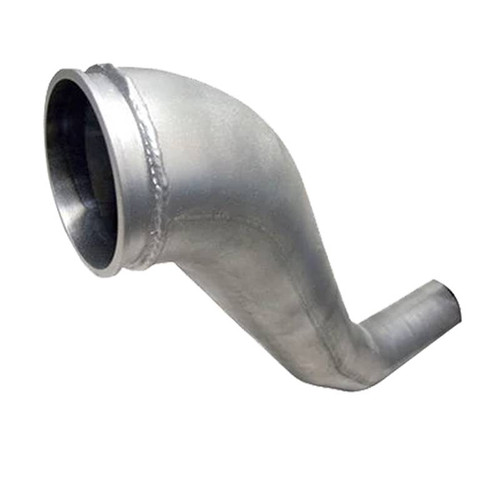

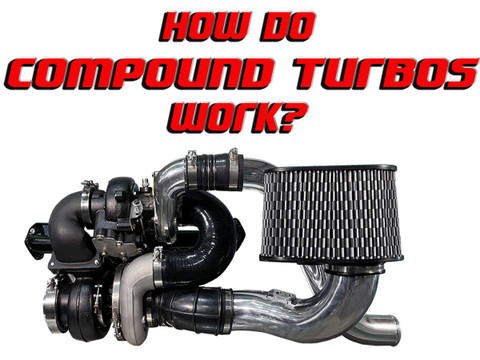

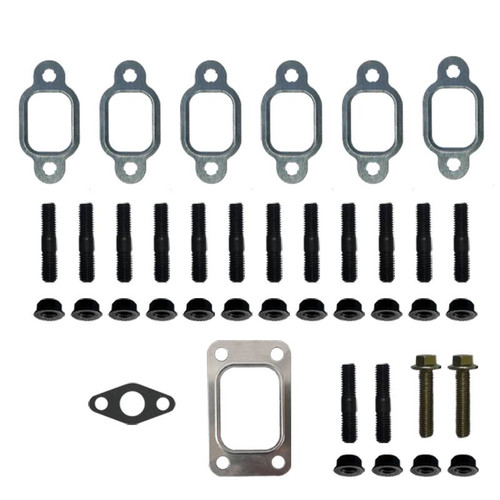
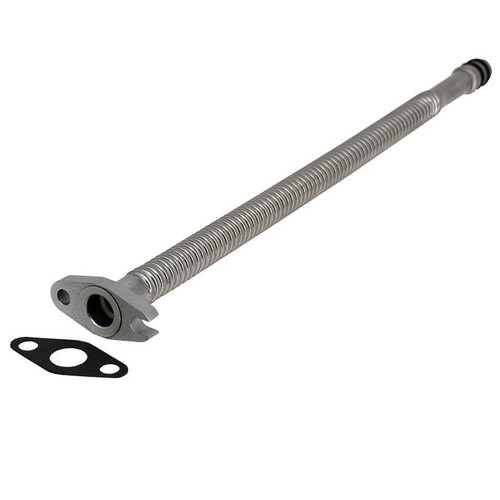
S300 single turbos, compound turbo kits, and exhaust manifolds for the 1994-1998 5.9L 12V Cummins with the P7100 injection pump.
(7)
The 1994-1998 5.9L 12V Cummins pairs a strong mechanical engine with the Bosch P7100 inline injection pump, one of the most upgradeable mechanical fuel systems made. The pump responds directly to more air with no electronic interference, no derating, and no tuner. The factory HX35 runs out of airflow quickly once the fuel is turned up, so Diesel Power Source® sizes each turbo to the pump work the truck has.
Turbos sized to the pump work, from stock to a full build
Mechanical injection responds directly to more air
Built for the 1994-1998 Dodge Ram 2500 and 3500
Single turbos and compound kits both cut exhaust heat under load
| Pump Work | What Has Been Done | Fuel Capability (approx.) | Turbo Direction |
|---|---|---|---|
| Stock | No modifications | About 180 HP | S362 single |
| Light | Fuel screw, AFC adjustment, mild injectors | 250-400 HP | S362 single or an Add-A-Turbo kit |
| Moderate | Governor springs, delivery valve work, partial fuel cuts | 400-550 HP | S362 or S363 single, or an S362 over S475 compound kit |
| Heavy | Full fuel cuts, high-flow delivery valves, custom cam plate, oversize injectors | 550-900 HP | S366 single below 650 HP, or a compound kit sized to the goal |
| Full build | Large plungers and barrels, custom cam, full delivery valve upgrade | 900 HP and up | The largest compound configuration. Call DPS to size it. |
Size the turbo to the pump, not to the model year. A stock P7100 and a fully built P7100 need very different turbos. Figures are approximate and vary with injectors, air supply, and supporting modifications.
An S362 or S366 single turbo with a fuel screw adjustment and a 3-inch exhaust.
A larger single turbo with governor springs and fuel cuts and a 4-inch exhaust, or a compound kit for towing.
Compound turbos with a full P-pump build, a built transmission, and supporting modifications.
HP figures are approximate rear wheel horsepower. Not sure where your pump falls? Call 801-930-8404 with the work that has been done.
Shop by category: 5.9 Cummins Turbos | 5.9 Cummins Manifolds | Compound Turbo Kits | All 5.9 Cummins Parts. Other years: 1989-1993 12V and 1998.5-2002 24V. Free shipping on orders over $350.
Cummins is a registered trademark of Cummins Inc. Diesel Power Source® is not affiliated with Cummins Inc.
It has the Bosch P7100 inline injection pump, which arrived in 1994. The P7100 is mechanical, highly tunable, and can be built across a wide range, from a fuel screw adjustment to a full high-output pump. With no ECM, the engine responds directly to more fuel and more air, and no tuner is required.
Size the turbo to the pump work, not the model year. A stock or lightly adjusted pump is well matched to an S362 single. Governor springs and partial fuel cuts move the truck to an S362 or S363 single or a small compound kit. Full cuts and delivery valves call for an S366 single below 650 HP or a compound kit. Tell DPS what has been done to the pump.
Yes. A mechanical engine cannot limit itself, so adding fuel without adding air raises EGTs. A turbo upgrade lowers EGTs at the current fuel level and gives you room to add fuel safely afterward.
For moderate towing, an S362 or S366 single. For heavy towing or higher power, a compound kit: the small turbo spools early under load and the large turbo supplies air on long grades. Compound kits give the largest EGT reduction in the DPS lineup.
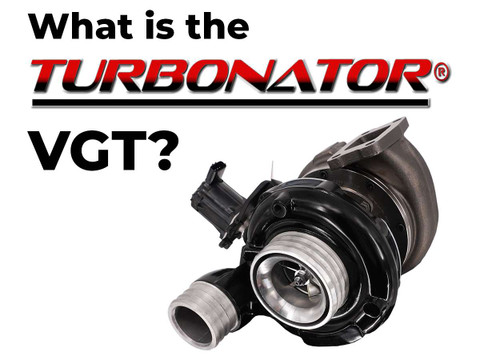
It replaces the fixed turbine housing on an S300 with a variable geometry housing that spools 200-300 RPM sooner. The electronic version also adds exhaust brake capability.
An S300 single needs a 4-inch downpipe, sold separately. Head studs are recommended above 45 PSI of boost. The factory transmission typically needs attention around 400 RWHP. The stock rods are reliable to about 800 RWHP on stock bolts.