
Manifolds
Diesel Exhaust Manifolds | 5.9L & 6.7L Cummins, 4BT/3.9L, ISX15/X15
Multi-piece exhaust manifolds for 5.9L and 6.7L Cummins pickups, the 4BT 3.9L, and the ISX15 / X15.
38 results
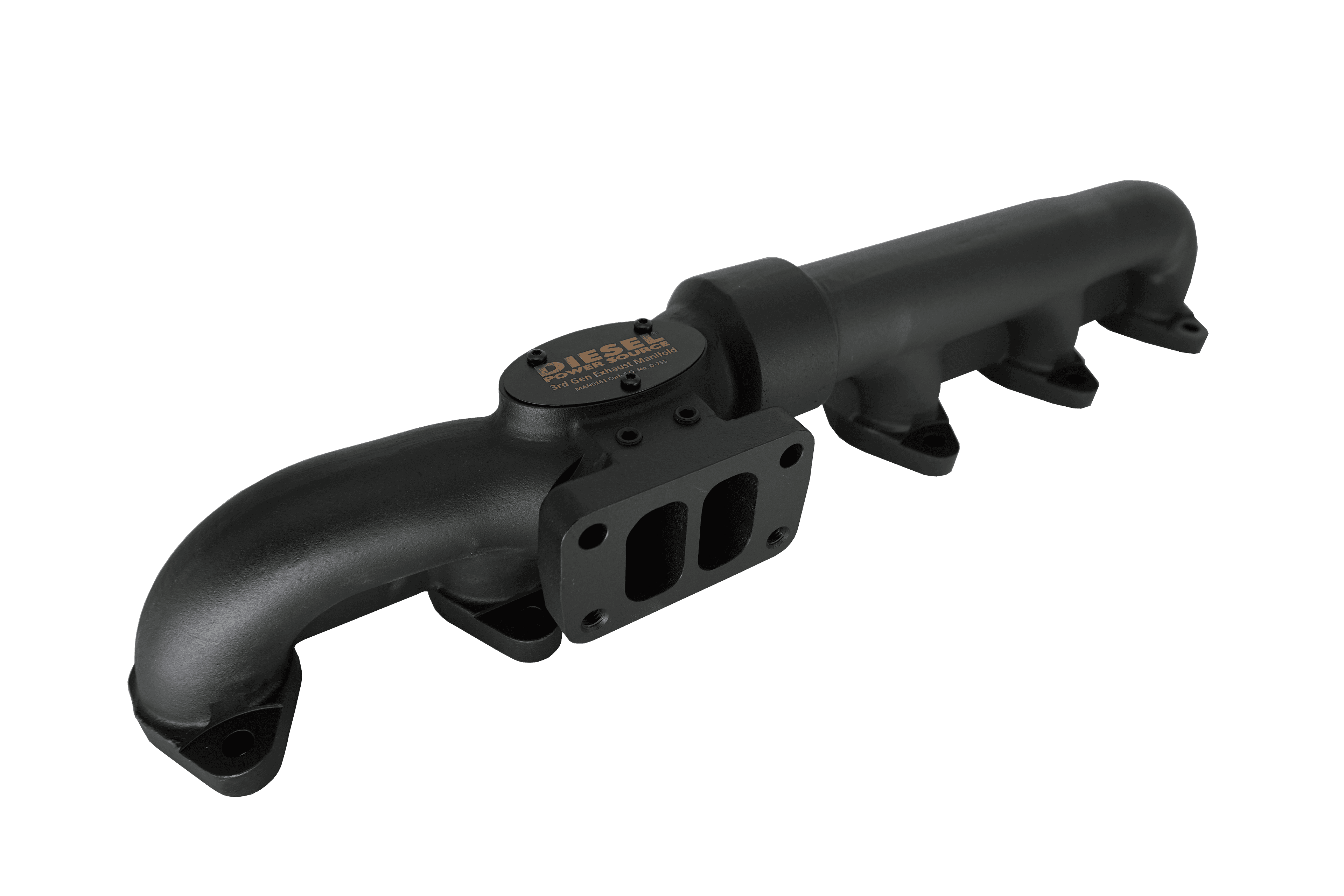
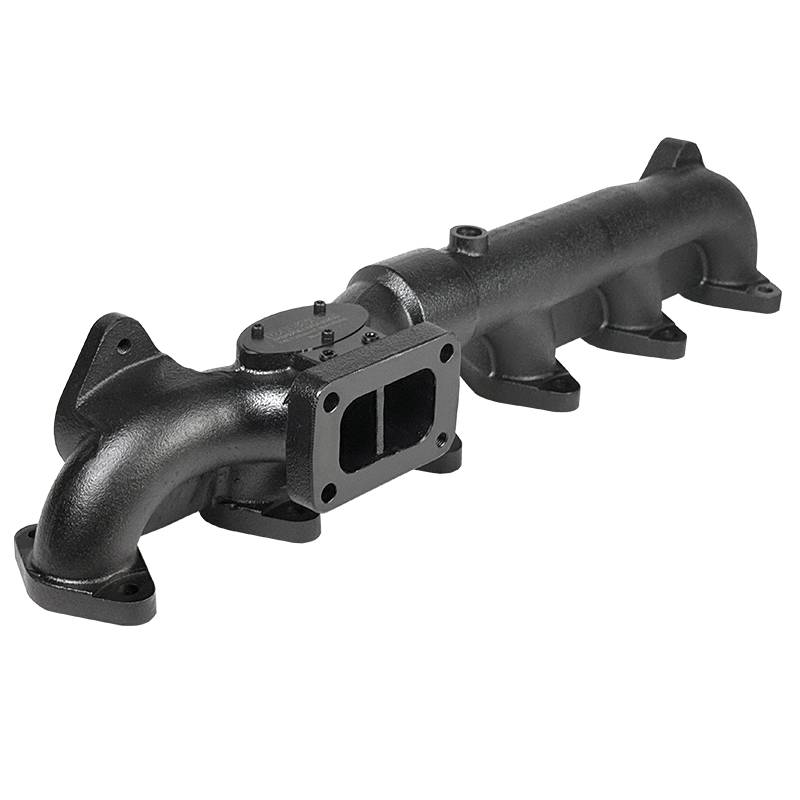
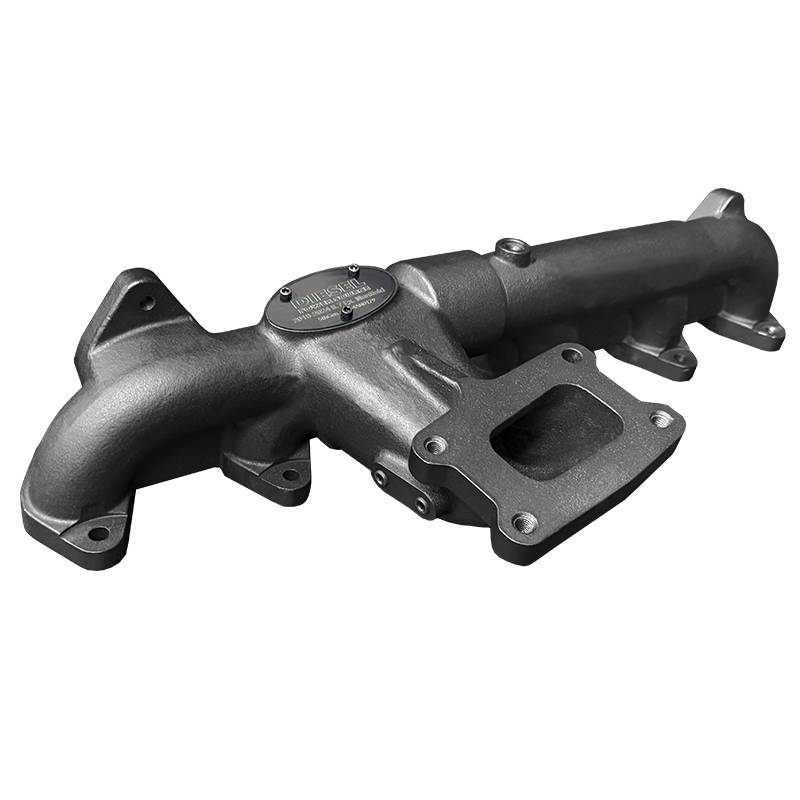
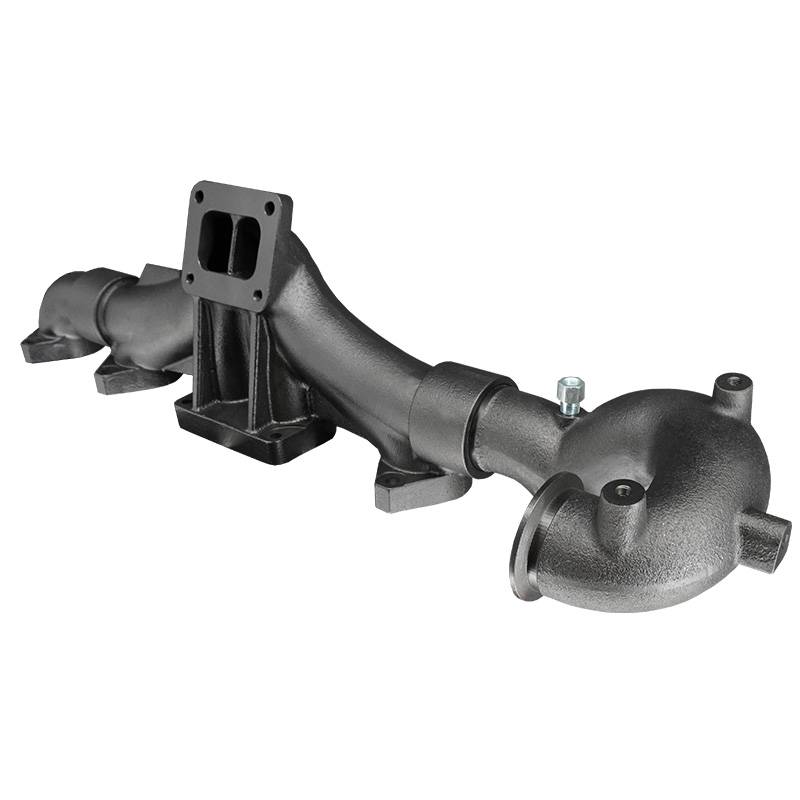
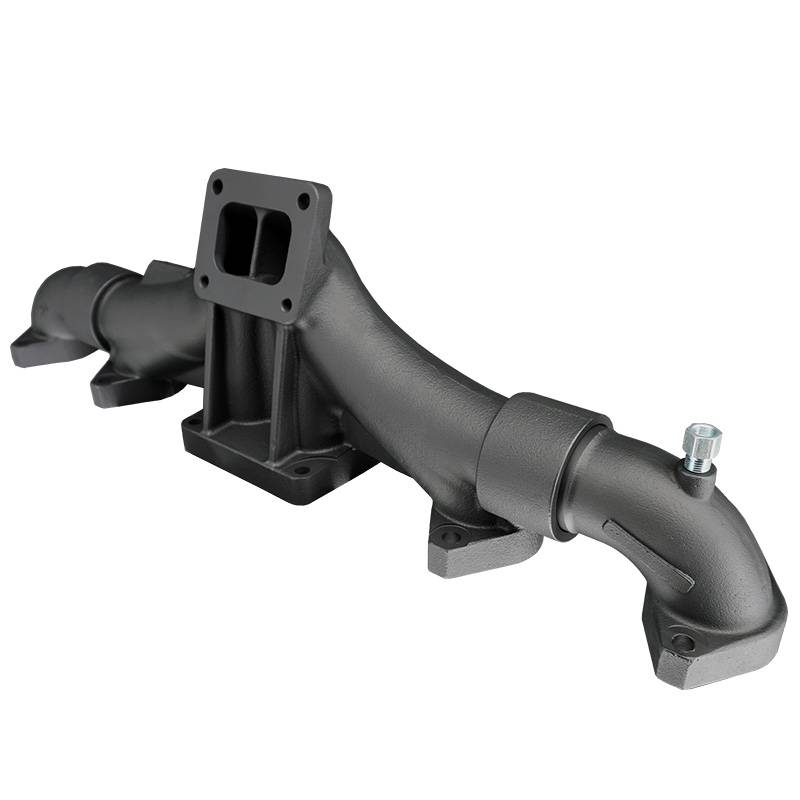
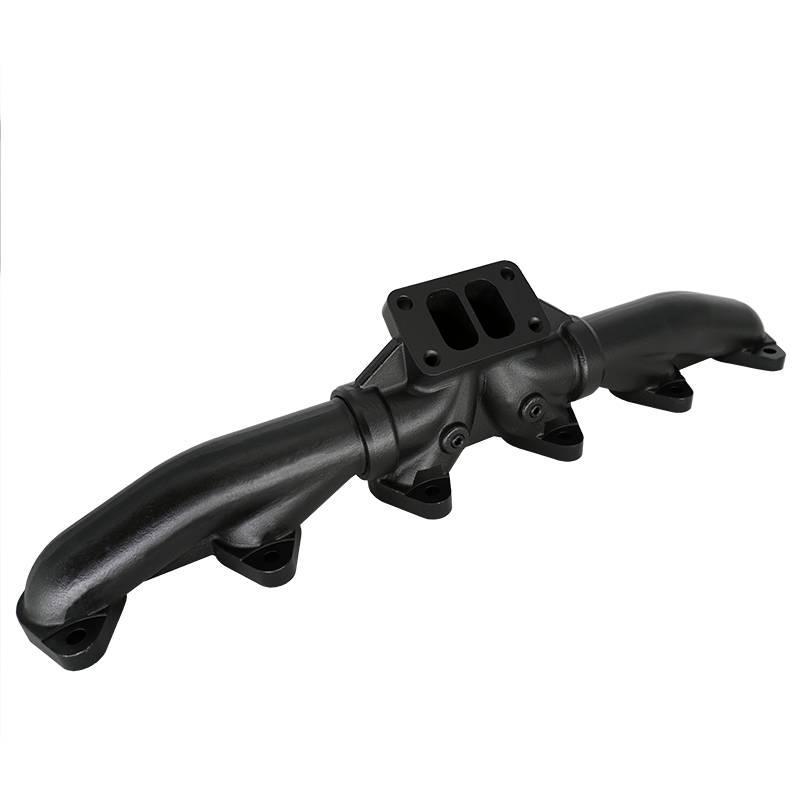
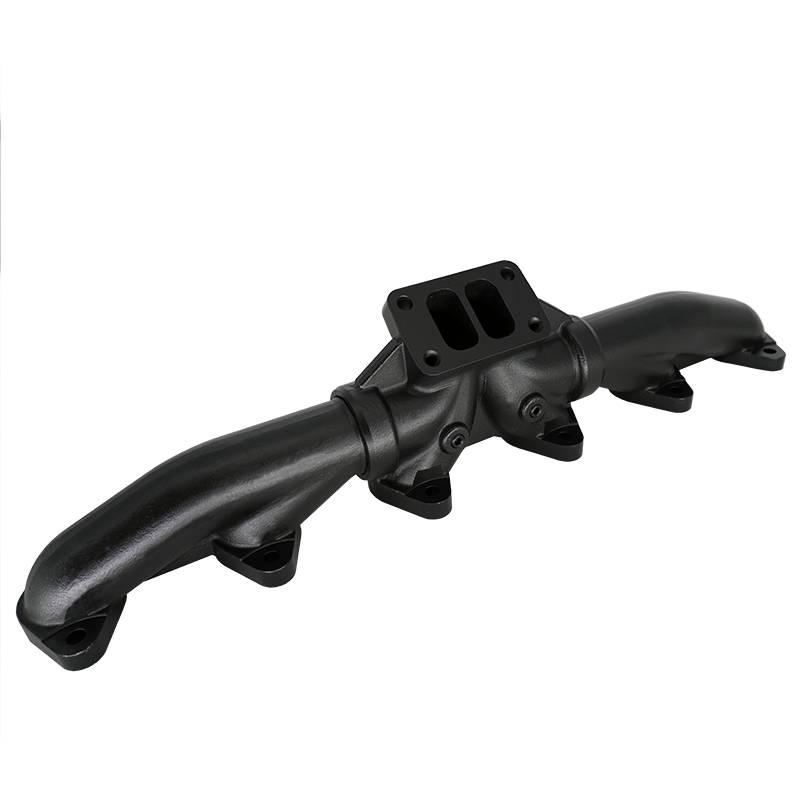
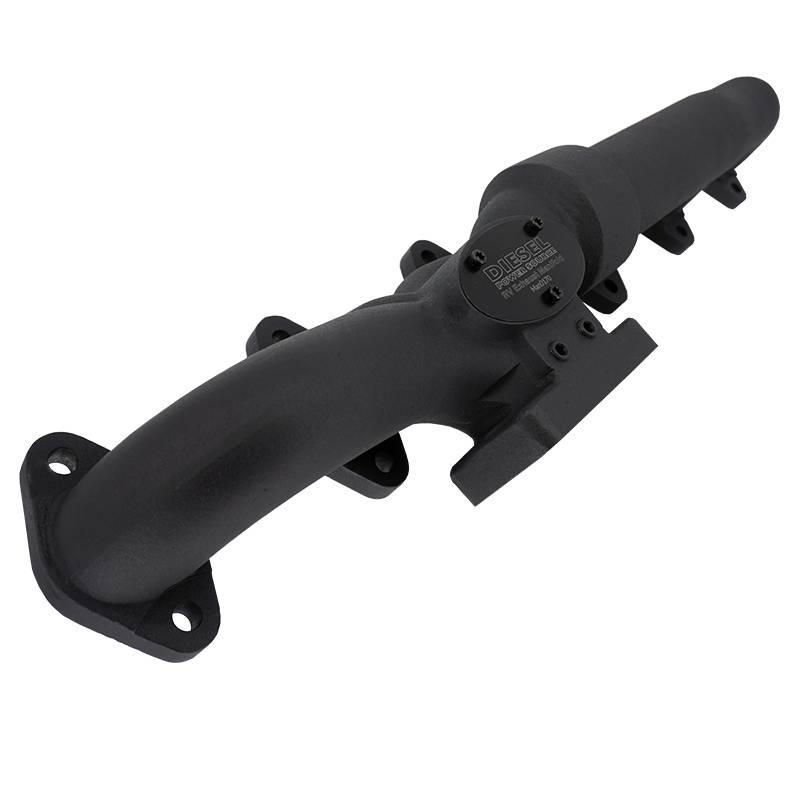
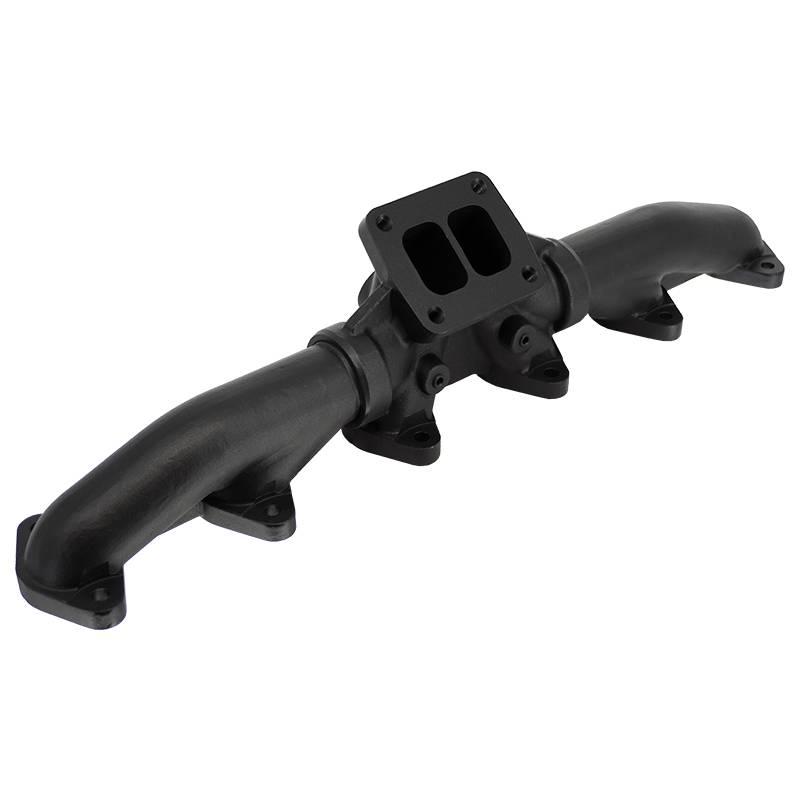
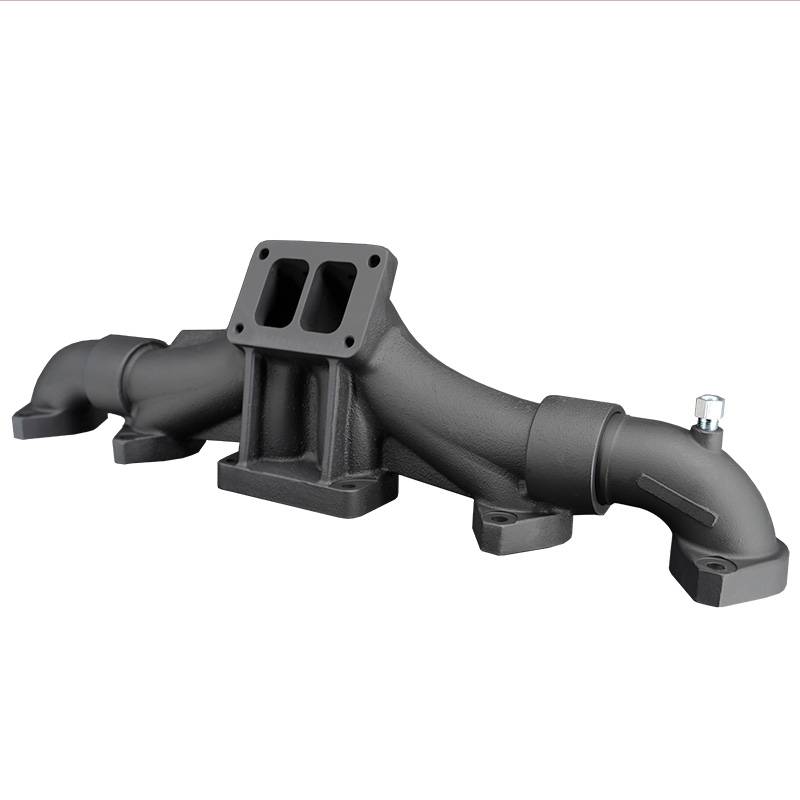
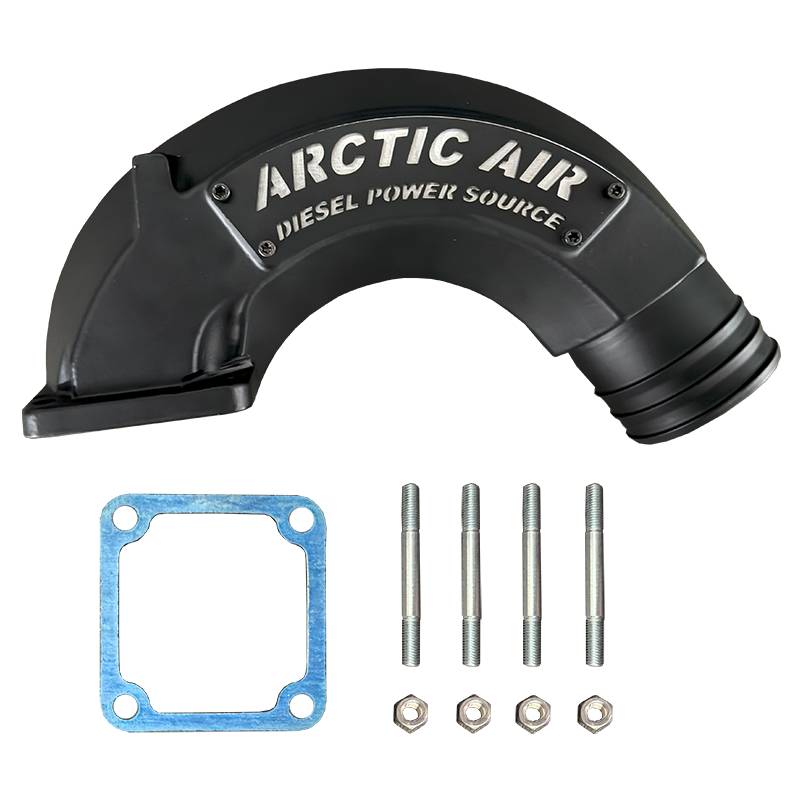
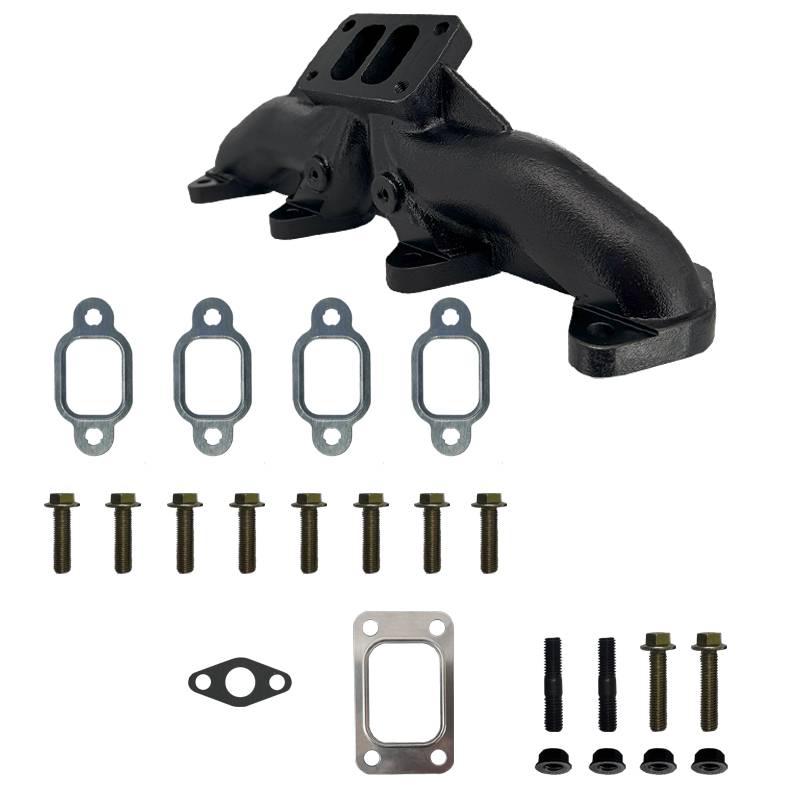
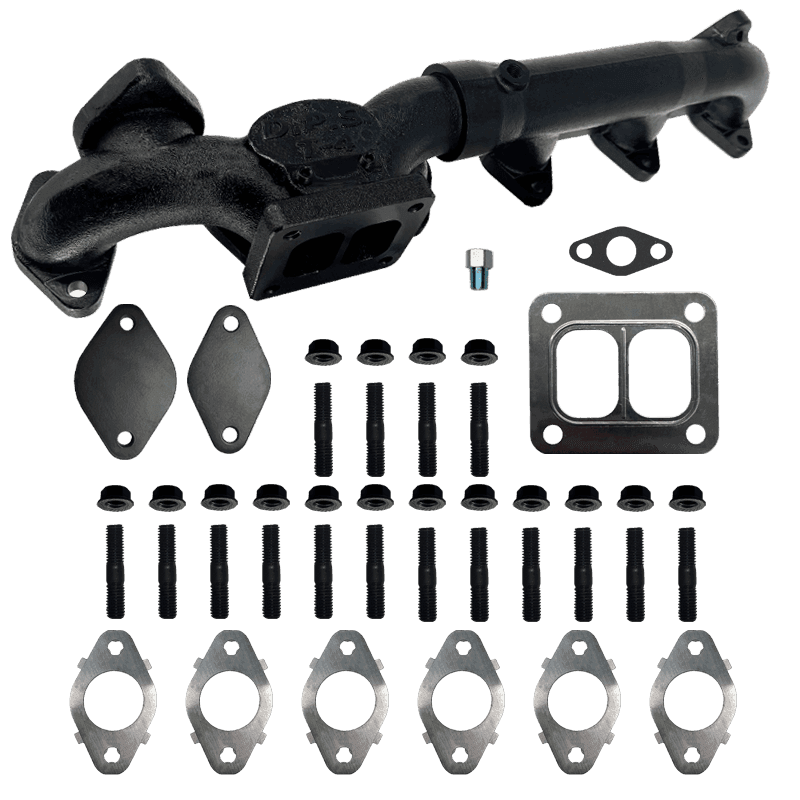
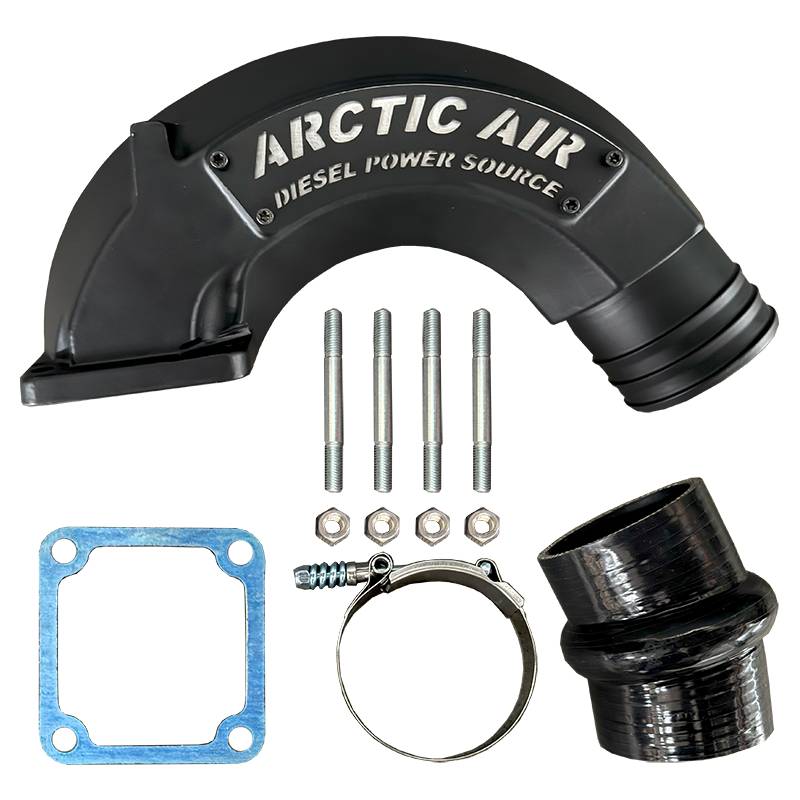
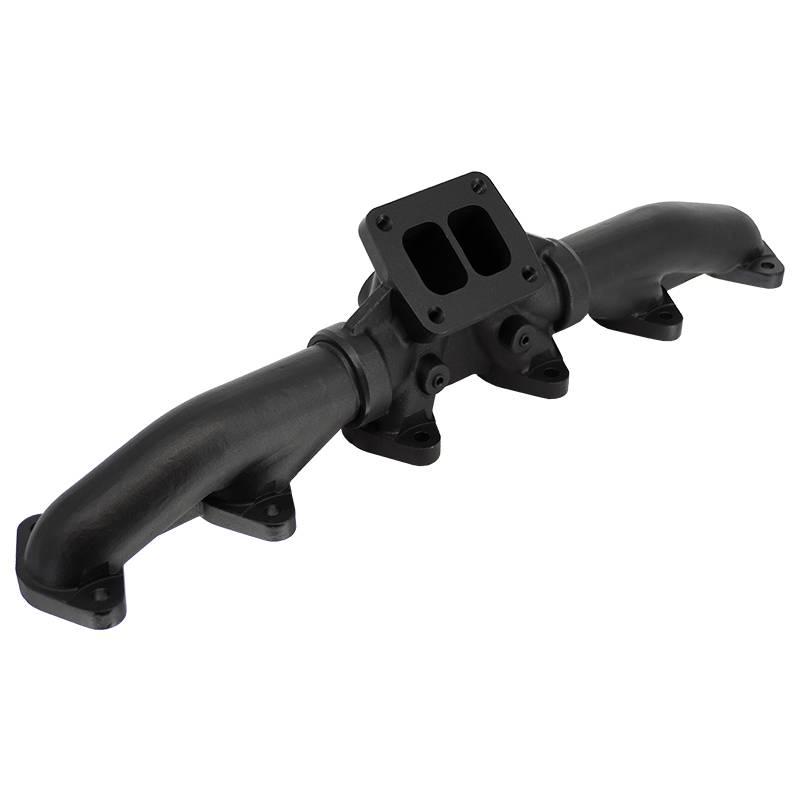
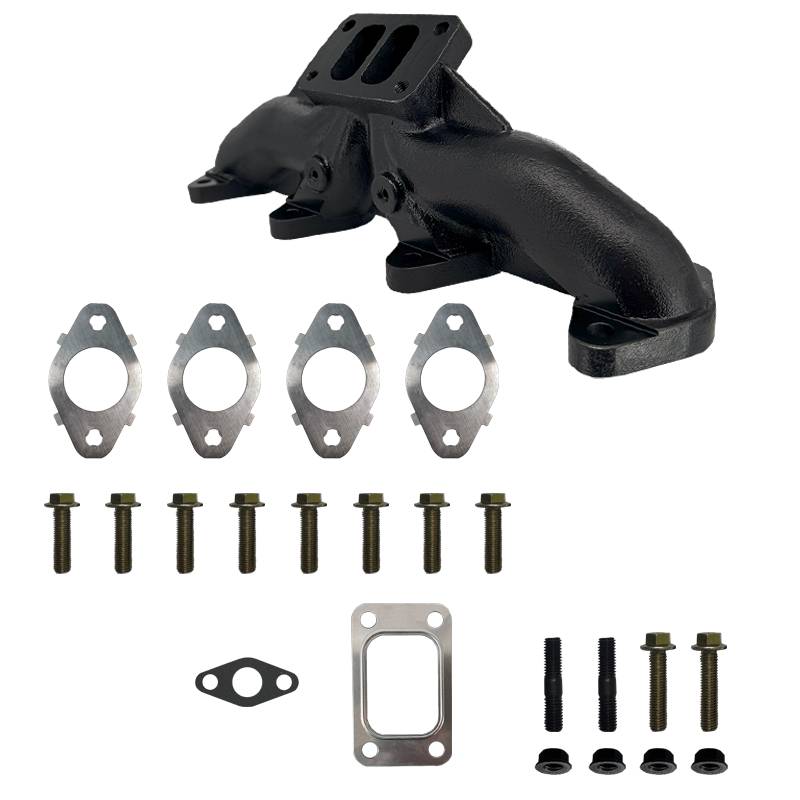
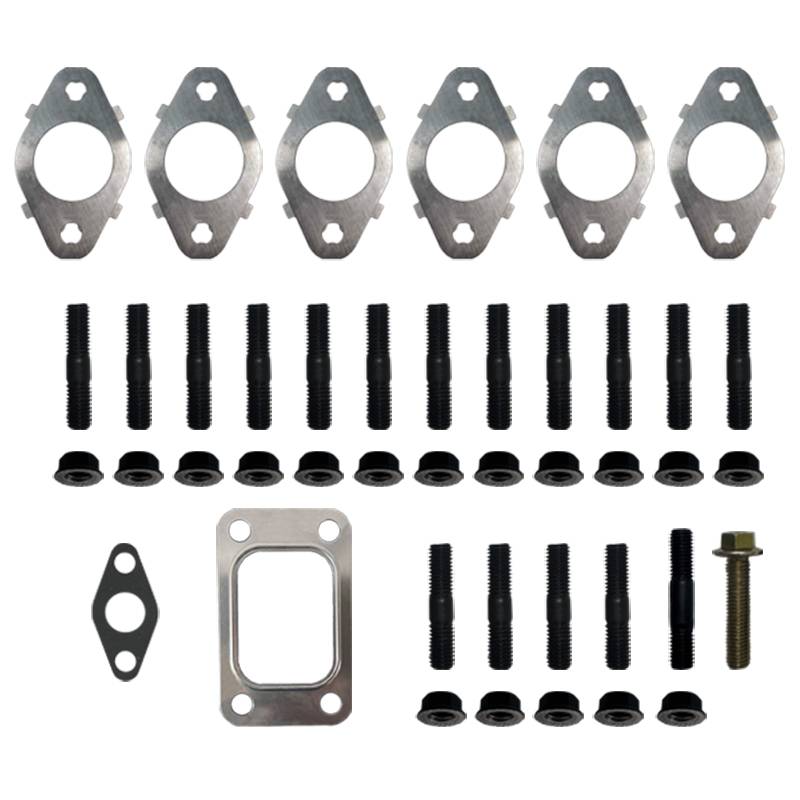
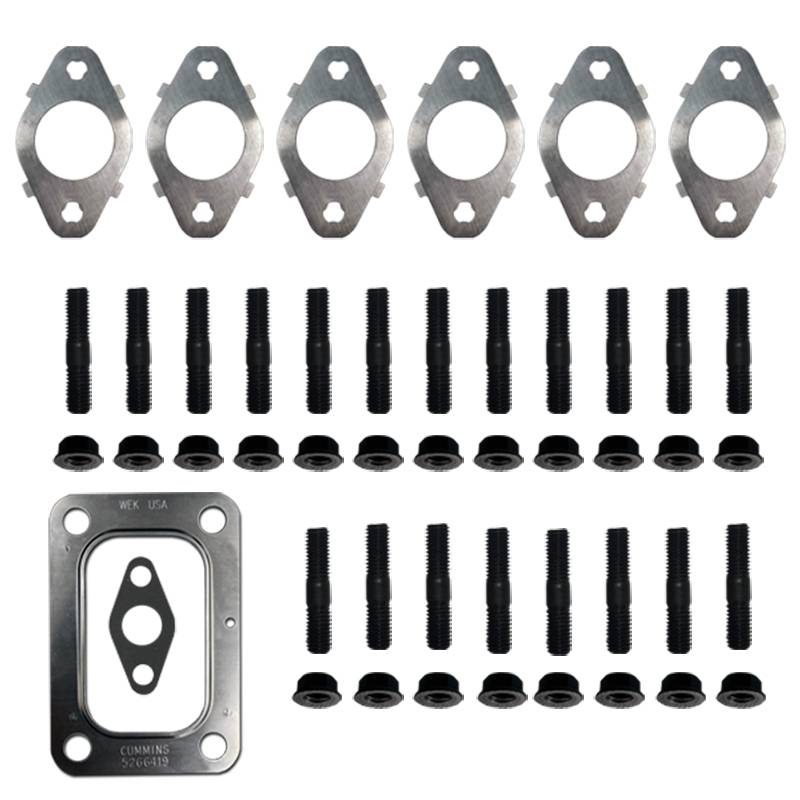
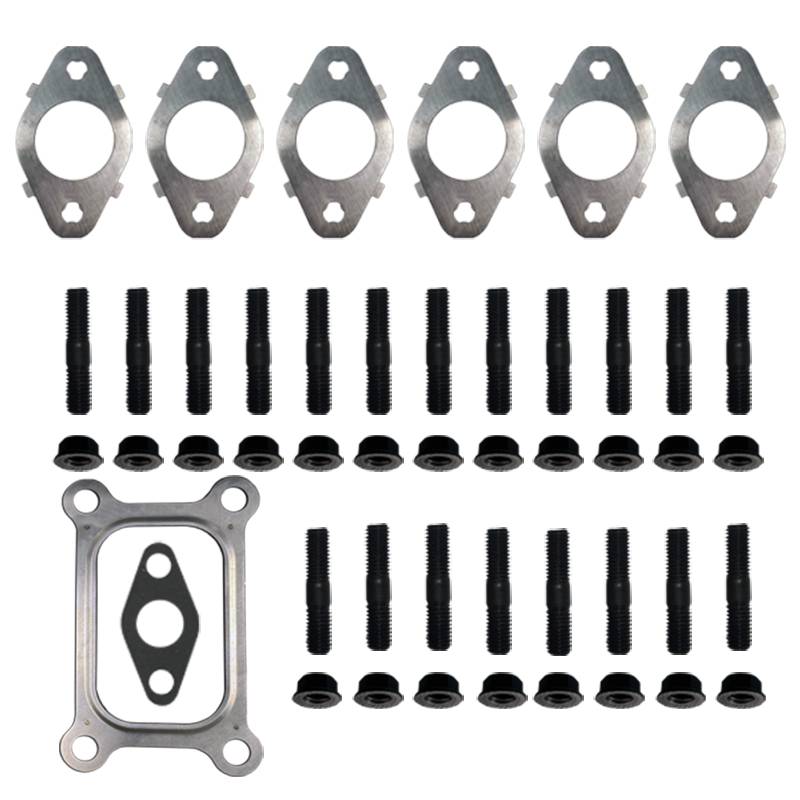
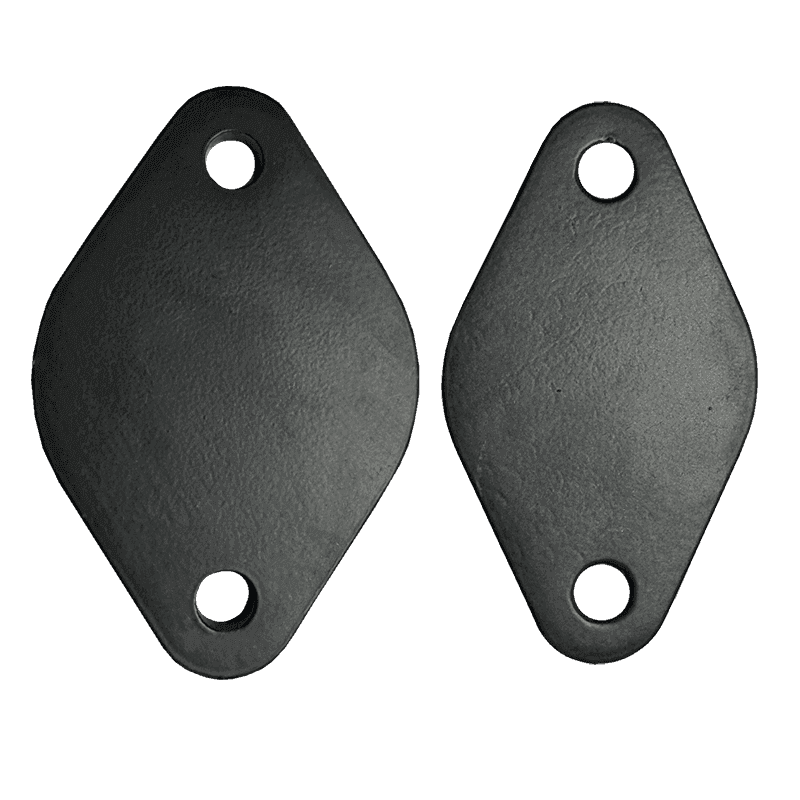
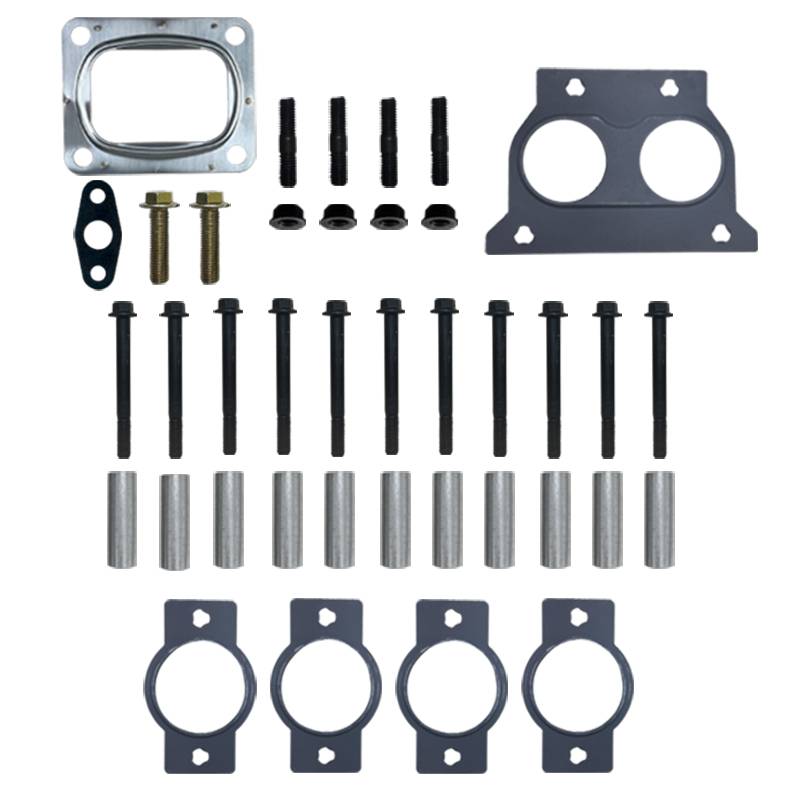
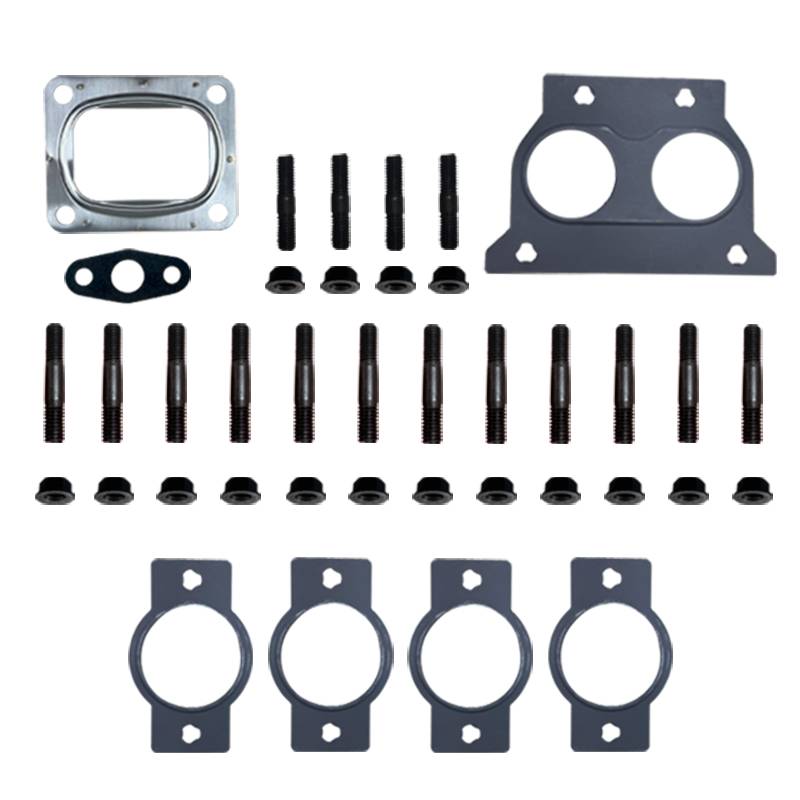
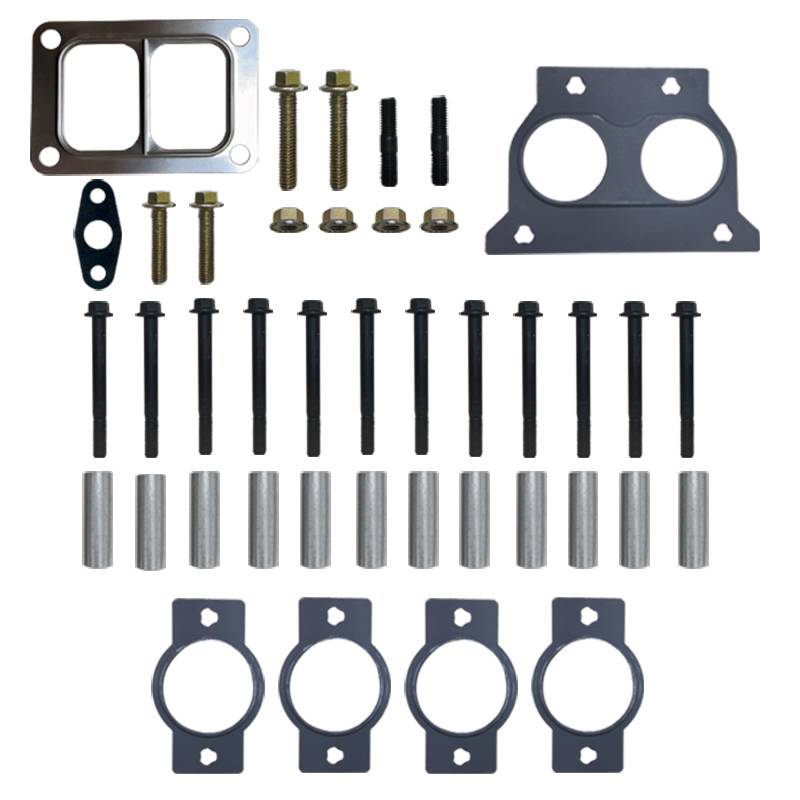
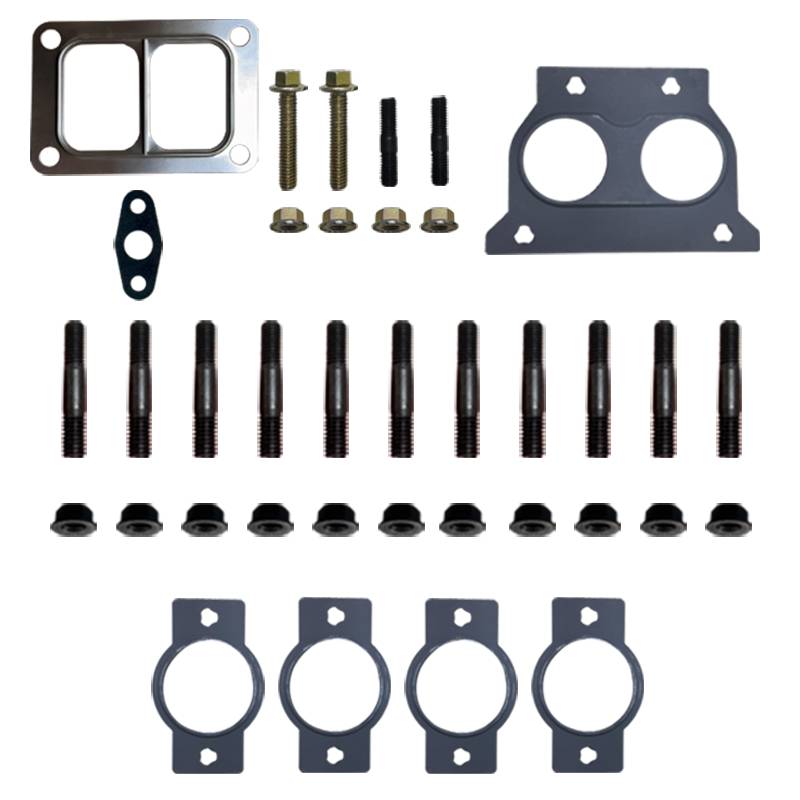
High-Flow Exhaust Manifolds Designed to Reduce Drive Pressure
Diesel Power Source manifolds are built to move heat and exhaust efficiently so your turbo can spool quickly, while keeping EGT’s lower. Thick-wall castings, press-fit, pressure tested joints, and precision-machined flanges help reduce warping and leaks. Choose direct-fit stock-replacement or performance configurations (including T3, T4, T4i and T6) tailored to your engine and turbo setup.
Shop by platform
- 6.7L Cummins Manifolds - Stock-replacement and T4 options for 2007.5-2024 Ram.
- 5.9L Cummins Manifolds - 12V, 24V, and common-rail applications.
- ISX15/X15 Manifolds - Heavy-duty solutions for Class 8 trucks.
- Cummins 4BT/3.9L Manifolds - Compact performance for swaps and industrial.
Why upgrade your diesel exhaust manifold
- Lower drive pressure & EGT: CFD tested & designed for improved flow, quicker spool and reduced backpressure under load.
- Faster turbo response: CFD (fluid dynamically) designed with proper divider locations, runner diameter and flow for faster spool.
- Strength & durability: Multi-piece press-fit design prevents cracking and ensures longevity.
- Service friendly: Pre-tapped ports for pyro or pressure sensors.
Construction that matters
- Precision casting & machining: Press-fit and pressure tested for exact fit on the head.
- Thermal management: Multi-piece designs that tolerate continuous load, heat cycling, and excellent for towing.
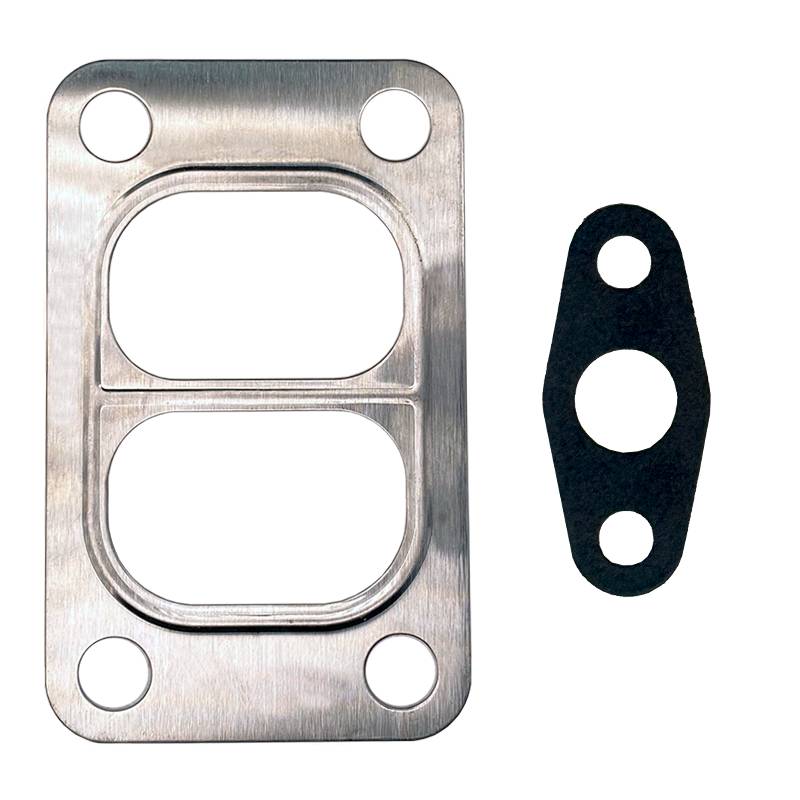
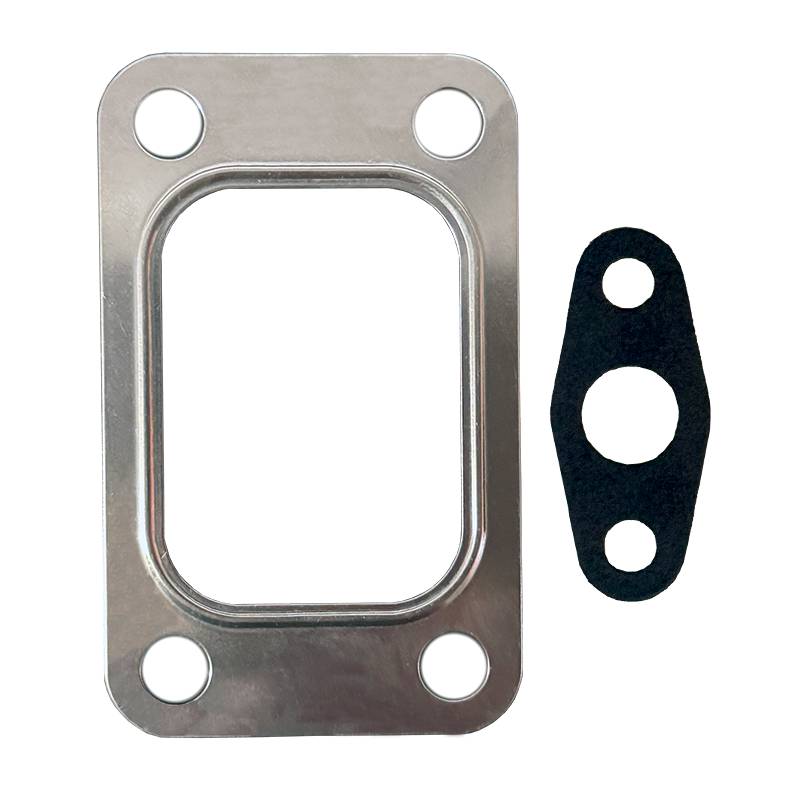
- Correct flange geometry: T3/T4/T4i/T6 styles for common turbo inlets.
How to choose the right manifold
- Keep your stock turbo? Pick a direct-fit stock-replacement manifold for OEM flange and angle.
- Upgrading the turbo? Match the flange to whatever size turbo you are using.
When to replace your manifold
- Ticking or hissing on cold start that fades warm (leak at gasket or crack).
- Visible cracks/soot marks near divider walls or flange edges.
- Higher EGT/Turbo lag with no other system changes.
- Warped flanges or recurring gasket failures.
Install & maintenance tips
- Use new gaskets and quality hardware; follow factory torque sequence in stages.
- Re-torque after initial heat cycles if specified.
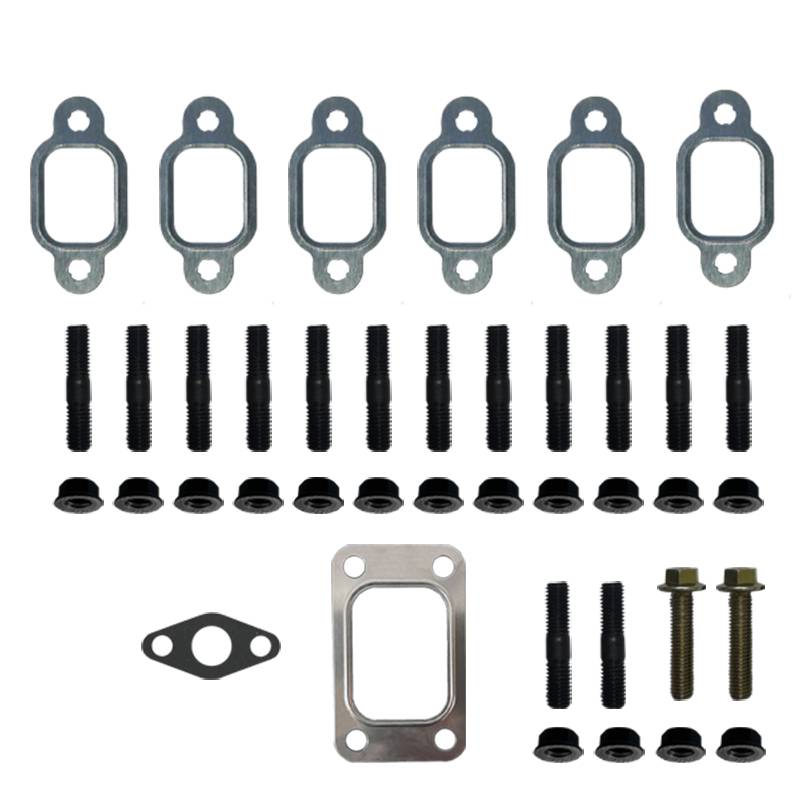
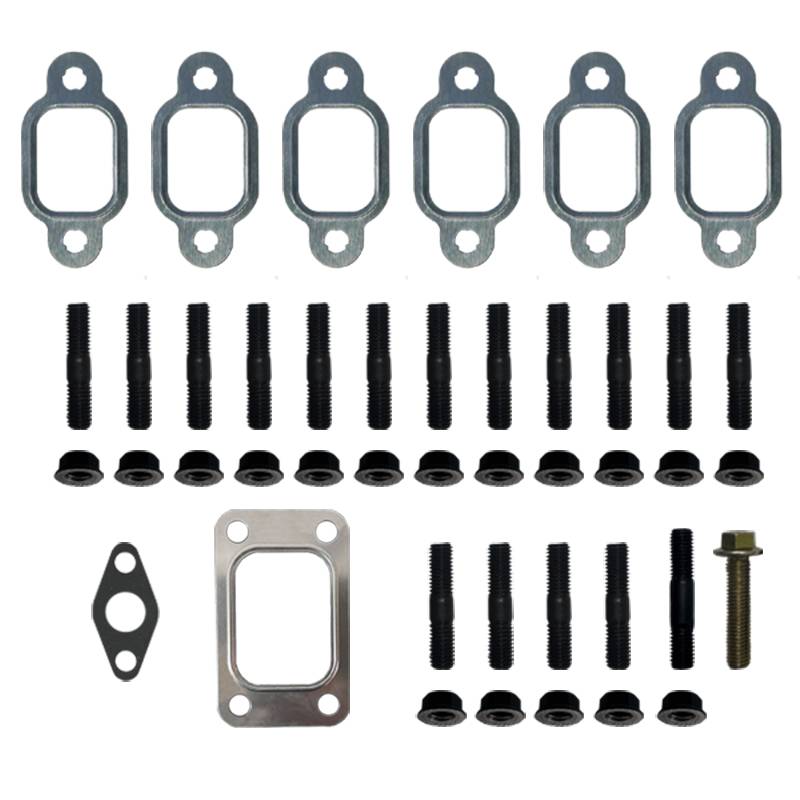
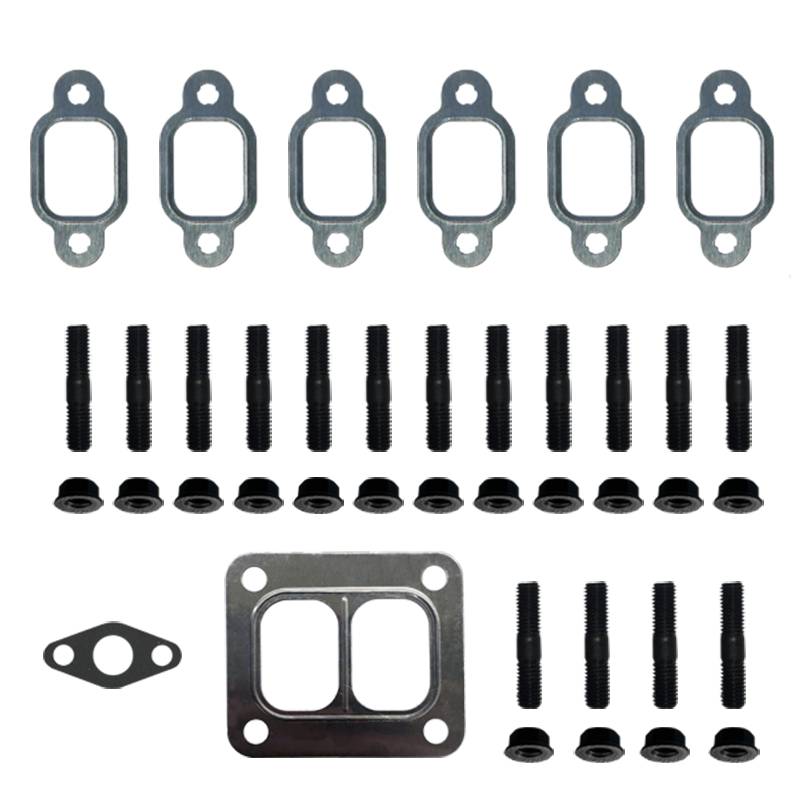
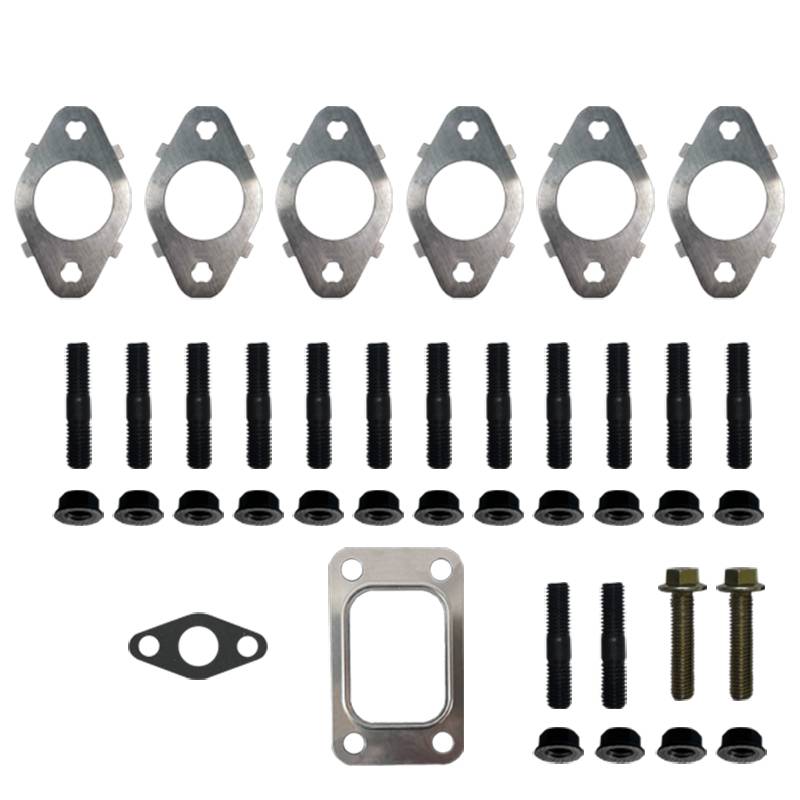
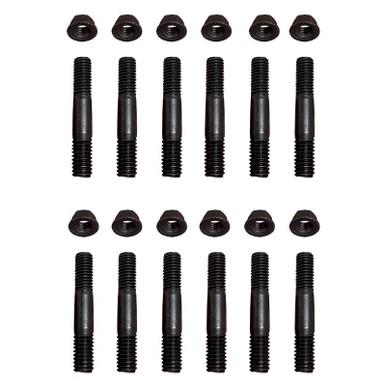
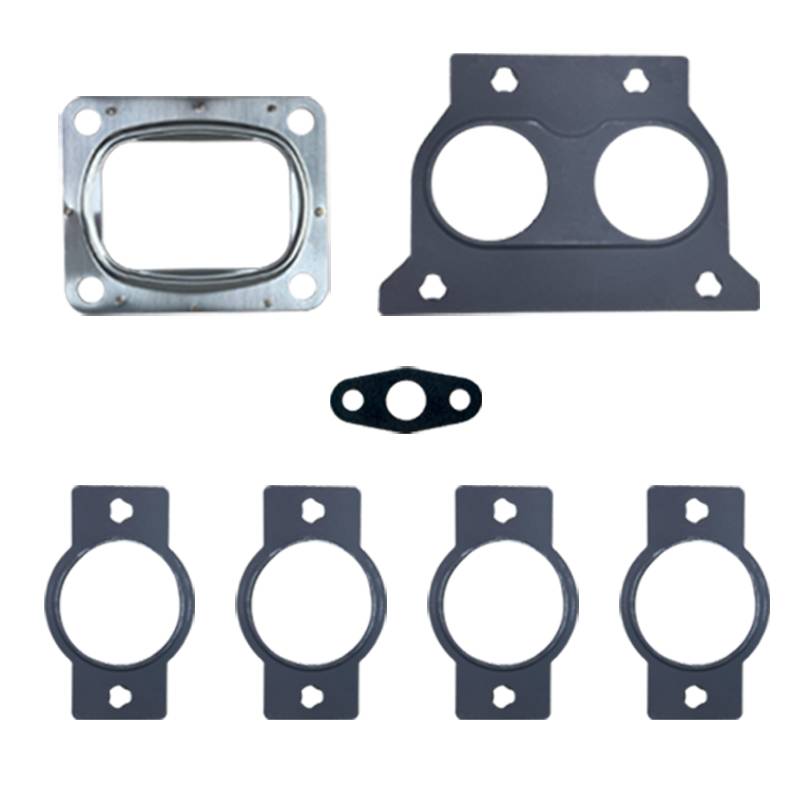
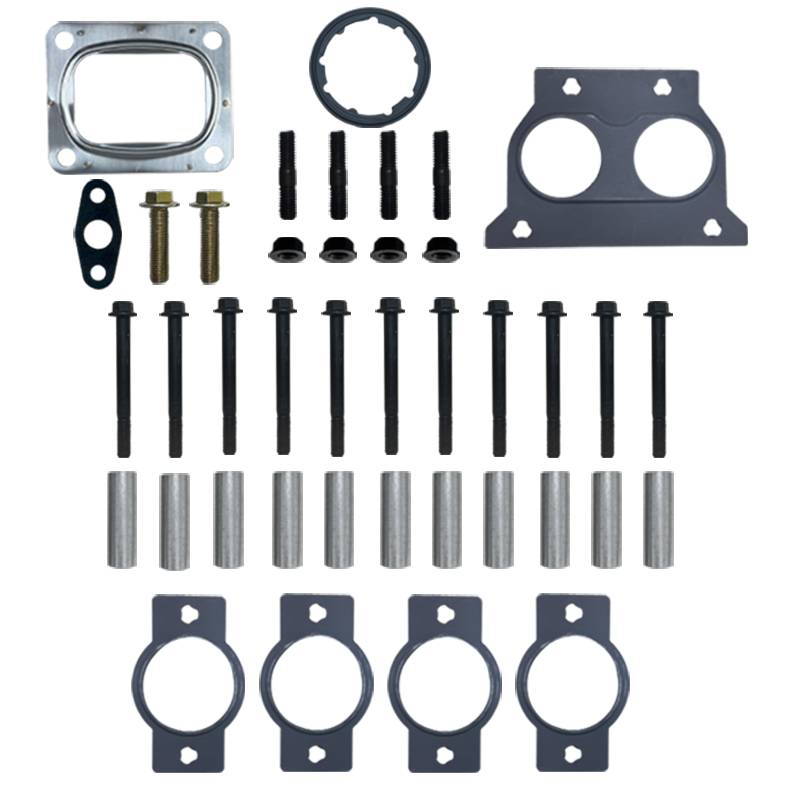
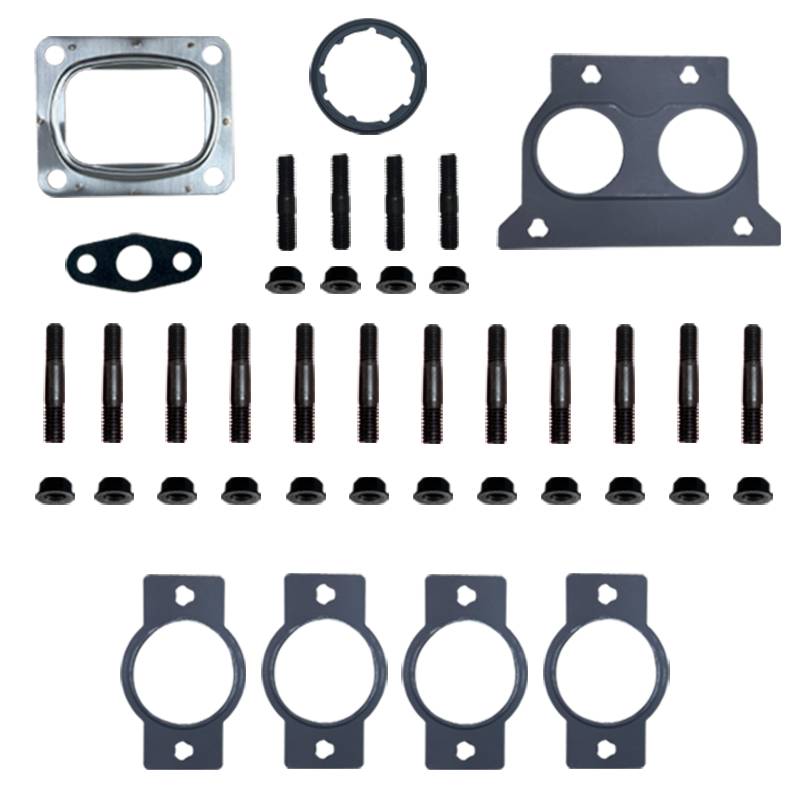
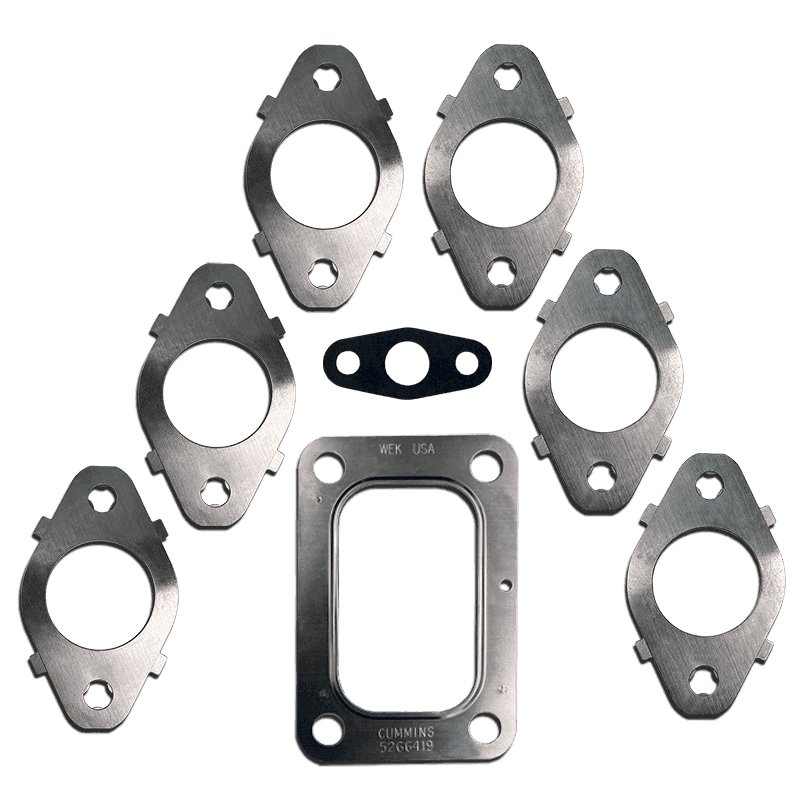
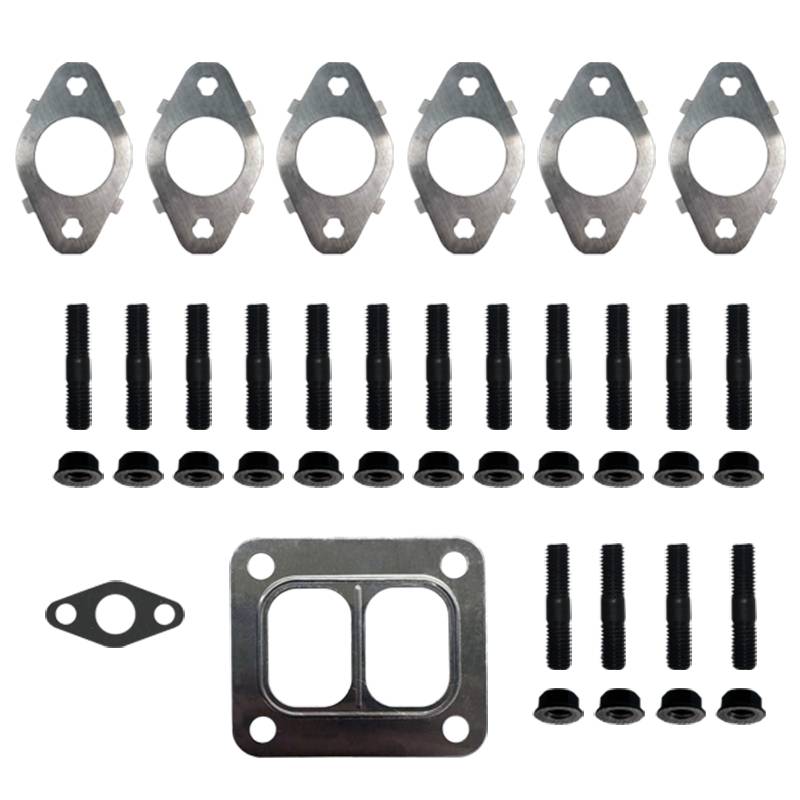
- Consider a DPS hardware and gasket upgrade kit.
Planning supporting upgrades? See 3rd Gen Swap Kits, Add-A-Turbo Kits, and Turbonator® VGT Upgrades.
Frequently Asked Questions
Why upgrade from a stock exhaust manifold?
Factory manifolds are built for cost and packaging, not performance. Upgrading to a performance exhaust manifold can reduce drive pressure, improve airflow to the turbo, lower exhaust gas temperatures, and support higher horsepower and torque.
Will a performance manifold help if my truck is emissions-equipped?
Yes. DPS exhaust manifolds paired with factory HE-series turbos are emissions compatible and bolt in with no modifications. Diesel Power Source® does not sell emissions delete parts.
Are your manifolds direct bolt-on replacements?
Most of our manifolds are designed as direct bolt-on replacements for the factory manifold. They use factory mounting locations and are intended to install without custom fabrication. Always check the product description for specific fitment details.
Can I reuse studs and gaskets?
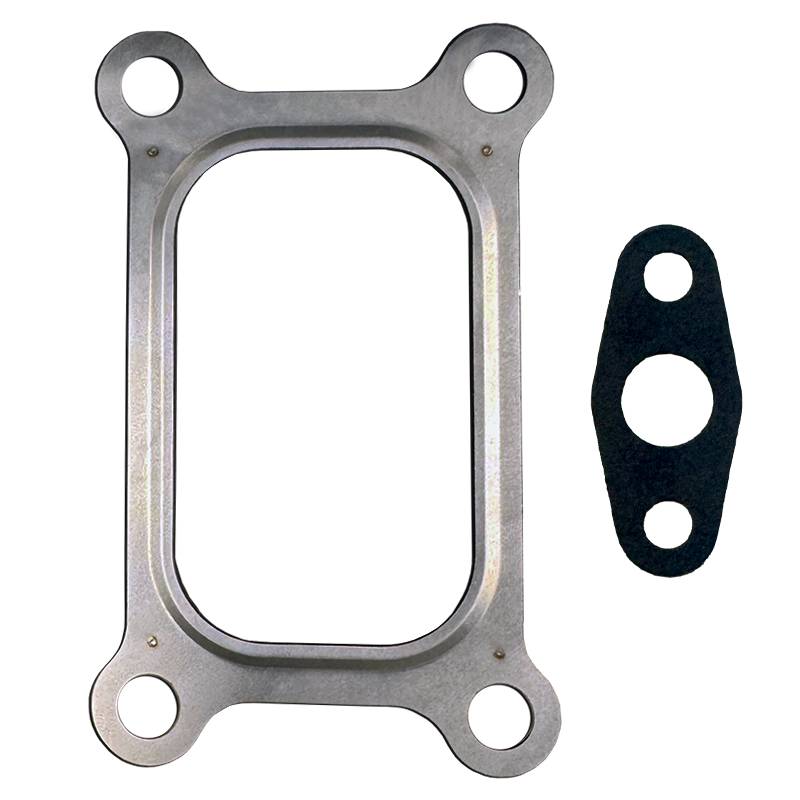
No. DPS multi-piece manifolds need the matching DPS gasket set; factory one-piece gaskets will not seal across the joints. Replace stretched or corroded studs and follow the correct torque pattern.
Which Cummins engines does Diesel Power Source® make exhaust manifolds for?
DPS makes exhaust manifolds for the 5.9L Cummins (12V 1989-1998, 24V 1998.5-2002, common rail 2003-2007), the 6.7L Cummins (2007.5-2018 and 2019-2024), the 4BT 3.9L (rectangular and round port), Fummins and Chummins swaps, and the Cummins ISX15 / X15 (EGR, non-EGR and T6). Shop by platform above, or call 801-930-8404 to confirm fitment.
Is it normal for a DPS manifold to seep at cold start or idle?
Yes. DPS multi-piece manifolds use a metal-to-metal press-fit seal at each joint with no gasket. The joints tighten as they heat up and seal best at driving temperature (750°F and higher). Minor seepage when cold is normal and is not a defect. Every manifold is pressure-tested leak-free before it ships.
What is the difference between a T3 and a T4 exhaust manifold?
The flange has to match the turbo. Every factory 5.9L Cummins from 1989-2007 uses a T3 turbo flange, so a T3 manifold is the direct fit for those trucks and for S300 turbos built with a T3 inlet. A T4 manifold is for an aftermarket T4-flange turbo and is not an OEM replacement. The 2007.5-2018 6.7L uses the proprietary T4i flange, and the 2019-2024 6.7L uses its own 5th Gen flange. Not sure which you need? Call 801-930-8404.
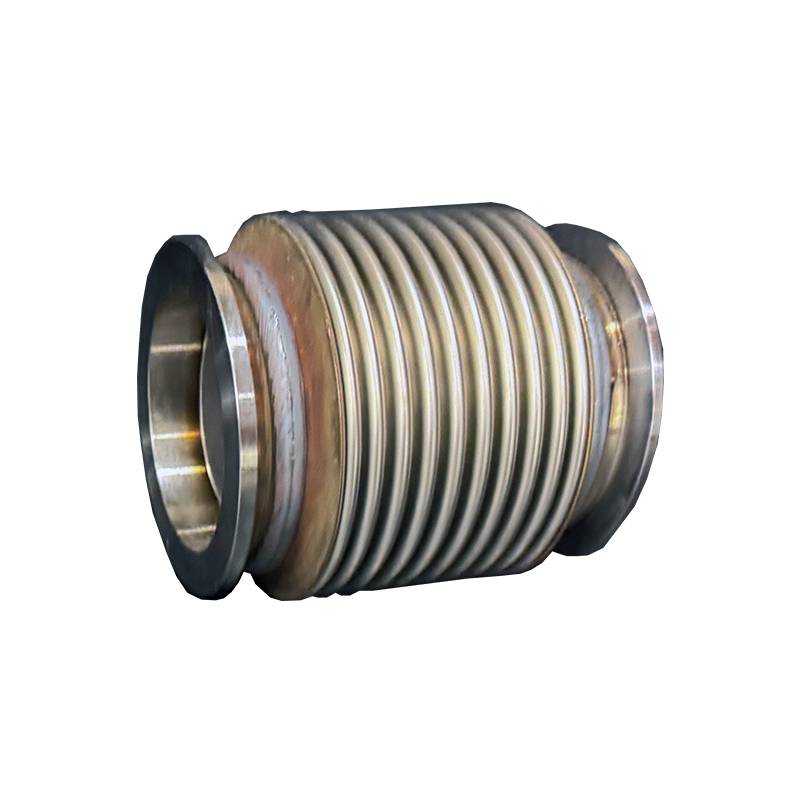
Why do DPS manifolds use a multi-piece expansion design?
The Cummins inline six is a long engine, and heat cycling puts heavy stress on a one-piece manifold until it cracks, warps, or shrinks. DPS manifolds are built in sections that are hydraulically pressed together, so each section expands and contracts on its own. Pickup center-mount manifolds use 3 pieces, pickup rear-mount and 6.7L manifolds use 2, and ISX15 / X15 manifolds use 3. The joints have no gasket and get tighter as the manifold heats up.
What are common problems with factory 5.9 Cummins exhaust manifolds?
A one-piece factory manifold cracks, warps, and shrinks over repeated heat cycles. Common signs are ticking or hissing on a cold start that fades as the engine warms, soot marks near the divider walls or flange edges, warped flanges or repeat gasket failures, and higher EGTs or slower spool with no other changes. On high-mileage engines, shrinkage can side-load the bolts so much that the manifold has to be cut off the head.
What is the difference between ISX and X15 exhaust manifolds?
The DPS EGR and non-EGR manifolds both fit 2010-2025 ISX15 and X15 engines on the CM871, CM2250, CM2350, and CM2450 platforms. The choice comes down to the EGR system, not the engine name. Use the EGR manifold if the EGR system is in place, the non-EGR manifold on a truck that has already been deleted, and the T6 manifold for an S400 conversion. An engine serial number (ESN) is required on every order.