null Skip to main content

3rd Gen 5.9 Cummins | 2003 – 2007

2003-2007 5.9 Common Rail Cummins Performance Parts | Third Gen Dodge

High-Pressure Common Rail Meets Proven 5.9L Platform

The 2003-2007 5.9L common rail Cummins combines the legendary 5.9L engine block with modern high-pressure common rail fuel injection.

This generation offers excellent power potential (400-700+ HP), refined operation, and strong reliability when properly modified. Our performance parts deliver 200-300°F cooler EGTs, instant throttle response, and the capability to handle serious towing loads or competition use in the distinctive third-generation Dodge body.

Common Rail Power

High-pressure injection for 400-700+ HP capability

200-300°F Cooler EGTs

Critical thermal management for reliability

3rd Gen Fitment

Direct-fit for 2003-2007 Dodge chassis

Proven 5.9L Block

Legendary reliability with modern technology

2003-2007 5.9 Common Rail Cummins Platform Specifications

  • Engine code: ISB 5.9L (359 cubic inches), 24-valve common rail
  • Fuel system: Bosch high-pressure common rail (25,000+ PSI), single CP3 injection pump
  • Factory power: 305-325 HP / 600-610 lb-ft (2003-04), 325-335 HP / 610-650 lb-ft (2004.5-07)
  • Stock turbo: Holset HE351CRT or HY35 variable geometry
  • Chassis: Dodge Ram 2500/3500 third generation (2003-2009 body style)
  • Transmissions: 48RE 4-speed automatic or NV5600 6-speed manual
  • Key features: Strong power potential, excellent tuning flexibility, proven platform

Popular Upgrade Paths for 2003-2007 5.9 Common Rail

Daily Driver / Moderate Towing (400-500 HP)

S300 single turbo + EFILive or handheld tuner + 4" exhaust. Excellent balance, 175-225°F cooler EGTs, clean power delivery.

Heavy Towing / Performance (500-650 HP)

Larger S300 or S400 single + custom EFILive + injectors + built trans. Serious capability with proper thermal management.

Competition / High Power (650-800+ HP)

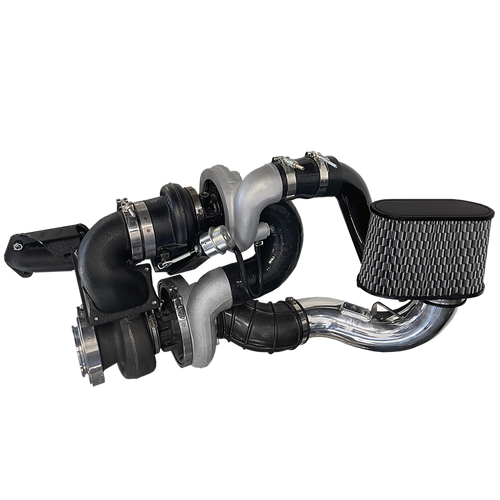
Compound turbos + dual CP3 pumps + big injectors + built trans + studs. 200-300°F cooler EGTs even at extreme power.

Why 3rd Gen 5.9 Common Rail Excels: This platform combines the proven 5.9L engine architecture (known for durability) with modern common rail fuel injection that supports excellent power potential. The high-pressure injection system responds incredibly well to tuning, and the 48RE transmission is stronger than earlier automatics. Perfect balance of old-school Cummins reliability with modern performance technology.

Dodge Cummins 3rd Gen (2003–2007) FAQs

Common rail introduced high-pressure electronic fuel injection to the proven 5.9L platform.

Major improvements over earlier generations:

  • Fuel system: High-pressure common rail (23,000-26,000 PSI) vs. rotary VP44 pump. More power potential, better reliability.
  • Injection precision: Individual injectors controlled independently by ECM for optimal combustion
  • Power delivery: Smoother, more refined power with excellent low-end torque
  • Tuning flexibility: ECM programming unlocks significant power (easily 500+ HP with proper mods)
  • Factory power: 305-335 HP stock (significantly more than earlier 5.9L engines)

Common rail advantages:

  • Excellent power potential (700-900+ HP with full build)
  • Precise fuel metering = cleaner emissions, better economy
  • Multiple injection events per cycle (quieter, smoother operation)
  • Responds incredibly well to ECM tuning
  • Proven 5.9L block strength with modern technology

Why 5.9L common rail is popular for modifications:

  • Last of the 5.9L platform (known durability)
  • Pre-emissions equipment (2003-2006 models, no DPF)
  • Strong 48RE transmission option
  • Excellent aftermarket support
  • Balance of modern performance and mechanical simplicity

Turbo choice depends on power goals; common rail supports wide range.

For daily driving / moderate towing (400-500 HP):

  • S300 singles: S362, S366 (excellent all-around choice)
  • Benefits: Quick spool, 175-225°F cooler EGTs, clean power, great street manners
  • Supporting mods: EFILive or handheld tuner, 4" exhaust, intake
  • Best for: Daily drivers, weekend towing, balanced performance

For heavy towing / performance (500-650 HP):

  • Larger S300 or S400 singles: S369, S472, S475
  • Benefits: More airflow, handles big fueling, excellent EGT control
  • Supporting mods: Injector upgrade (50-100% over), custom EFILive, built 48RE, upgraded intercooler
  • Best for: Serious towing, hot-shot work, performance enthusiasts

For competition / high power (650-900+ HP):

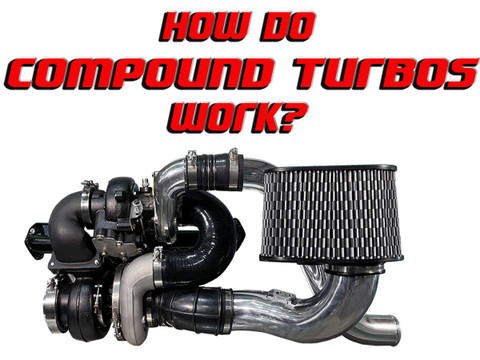
  • Compound turbo systems: S300/S400 or S400/S400 compounds
  • Benefits: No lag, 200-300°F cooler EGTs, massive airflow for extreme power
  • Supporting mods: Dual CP3 pumps, big injectors (150-200%+ over), built trans, head studs, everything
  • Best for: Competition pulling, drag racing, extreme builds

Common rail specific advantages:

  • High-pressure injection supports aggressive fueling for any turbo size
  • ECM tuning can optimize for specific turbo characteristics
  • Single CP3 good to ~550-600 HP; dual CP3 for higher power
  • Responds excellently to compounds (instant spool + massive top-end)

EGT improvements: 175-300°F depending on turbo configuration and power level.

Stock turbo baseline (with tuner added):

  • Towing 18,000 lbs up 6% grade with 450 HP tune: 1,275-1,375°F
  • Stock turbo restrictive; adding fuel without air = high EGTs
  • Turbo upgrade essential for safe power increases

After S366 single turbo + 475 HP tuning:

  • Same load: 1,075-1,175°F (175-225°F cooler)
  • More power, WAY cooler operation
  • This is sweet spot for most 5.9 common rail trucks

After S472 or S475 single + 550 HP:

  • Towing 20,000 lbs: 1,100-1,200°F (still well-controlled)
  • Larger turbo handles increased fueling safely

After compound turbos + 650-700 HP:

  • Towing 25,000 lbs: 1,025-1,125°F (250-300°F cooler than stock with lighter load)
  • MORE weight, MORE power, yet dramatically cooler
  • This is why compounds are king for serious towing

Why EGT control critical for common rail:

  • High-pressure injection can deliver lots of fuel quickly
  • Without proper air (turbo upgrade), EGTs skyrocket
  • Sustained high EGTs damage injectors, head gasket, pistons
  • Common rail tuning can add power fast; must add air to match

Safe EGT guidelines for 5.9 common rail:

  • Cruising: Under 1,100°F ideal
  • Towing: 1,100-1,250°F acceptable
  • Max short bursts: 1,350°F for passing (brief only)
  • Danger zone: Sustained 1,400°F+ will cause damage

Mid-2004.5 updates brought improvements; both platforms excellent for mods.

Early 2003-2004 (SO models):

  • Power: 305-325 HP / 555-610 lb-ft
  • Turbo: Holset HY35 variable geometry
  • Injectors: Smaller (less fueling capacity)
  • CP3 pump: Single, adequate for 550 HP with mods
  • Transmission: 48RE (stronger than earlier 47RE)
  • Emissions: 2003-2006 models no DPF (easier to modify)

Late 2004.5-2007 (HO models):

  • Power: 325-335 HP / 610-650 lb-ft (600 model), 325 HP / 650 lb-ft (610 model)
  • Turbo: HE351CRT or HY35 (varies by year/model)
  • Injectors: Larger (better baseline for mods)
  • CP3 pump: Slightly upgraded, still single
  • Transmission: 48RE with minor improvements
  • ECM: More advanced programming from factory

2007 emissions note:

  • 2007-2007.5 trucks (late 2007) have DPF (Diesel Particulate Filter)
  • Early 2007 trucks (built before mid-year) still pre-DPF
  • Check build date; pre-DPF preferred for modifications

Which is better for performance?

  • Late (04.5-07) advantages: Higher factory power, better injectors, more aggressive ECM tuning from factory
  • Early (03-04) advantages: Slightly less expensive, both upgrade to same levels
  • Performance potential: Identical with proper mods (both reach 700-900+ HP)

Recommendation: Either platform excellent. If buying, late 04.5-07 (pre-DPF) slightly better baseline. If you own early 03-04, no worries; upgrades to same power levels.

Generally reliable platform with a few known issues to address.

Fuel system considerations:

  • CP3 pump wear: High-pressure pump wears over time (150k-250k miles typical)
  • Injector issues: Can develop leaks or fail (especially with poor fuel quality)
  • Prevention: Quality fuel, good filtration, aftermarket lift pump recommended ($400-700)
  • Symptoms: Hard start, rough idle, loss of power, fuel in oil

Transmission issues (48RE automatic):

  • Torque converter: Stock converter slips with added power (400+ HP)
  • Clutch packs: Wear with aggressive driving and power additions
  • Solution: Built 48RE for 500+ HP ($3,500-7,000)
  • Manual NV5600: Generally reliable to 600 HP, may need clutch upgrade

Exhaust manifold cracking:

  • Issue: Stock cast manifolds crack from thermal stress
  • More common: With performance mods (higher EGTs)
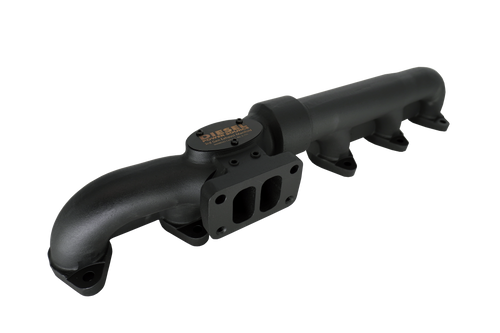
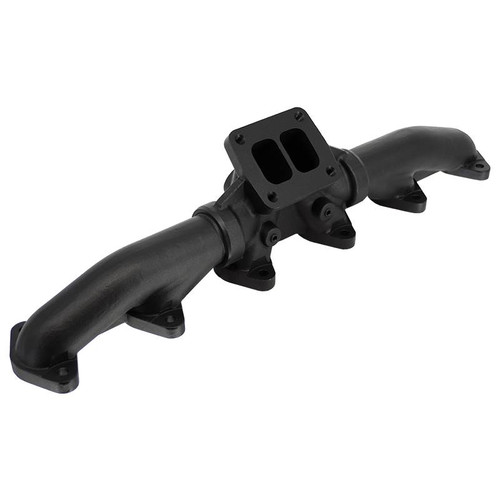
  • Solution: Performance exhaust manifold (included in our turbo kits)

Grid heater issues:

  • Problem: Grid heater relay or element can fail
  • Symptoms: No-start in cold weather, blown fuses
  • Solution: Replace relay or install manual switch ($50-200)

Steering linkage wear:

  • Issue: 3rd gen steering components (track bar, tie rods) wear with heavy use
  • More common: Lifted trucks, larger tires
  • Solution: Upgraded steering components ($300-800)

Front axle U-joints (4WD):

  • Issue: High torque with modifications wears U-joints quickly
  • Solution: Chromoly upgrade shafts and U-joints ($400-800)

Overall reliability: With proper maintenance and quality fuel, these engines run 300k-500k+ miles. The 5.9L block is legendary for durability, and common rail adds modern refinement.

Absolutely; common rail makes excellent daily driver at all power levels.

Why 5.9 common rail excels for daily use:

  • Refined operation: Multiple injection events = quiet, smooth idle and cruise
  • Instant throttle response: High-pressure injection delivers immediate power
  • Excellent fuel economy: 17-21 MPG highway stock, 15-18 modified
  • Strong transmission: 48RE better for daily use than earlier autos
  • Modern features: All factory electronics work properly

Daily driving by power level:

Mild (425-500 HP, S300 single, tuner):

  • ✓ Drives like muscular stock truck
  • ✓ Excellent fuel economy (15-19 MPG highway)
  • ✓ Minimal smoke, clean power
  • ✓ Perfect daily driver sweet spot

Moderate (500-650 HP, larger turbo, injectors):

  • ✓ Very drivable with proper tuning
  • ~ Fuel economy 13-17 MPG
  • ~ Some smoke under hard acceleration
  • ✓ Transmission upgrade recommended for longevity

High performance (650-800+ HP, compounds, full build):

  • ✓ Daily drivable (compounds maintain drivability)
  • ~ Fuel economy 11-15 MPG
  • ~ Requires attention to maintenance
  • ✓ Incredible when you need the power

Real-world daily experience:

  • Cold starts: Grid heaters work well, starts easily below zero
  • Idle: Very smooth and quiet (common rail advantage)
  • City driving: Excellent low-end torque, easy to modulate
  • Highway: Comfortable, quiet, good cruising manners
  • Overall: Most refined Cummins platform for daily use

#1 RATED COMPOUND TURBO KITS - FREE SHIPPING ON ORDERS OVER $300 - MADE IN THE USA - BACKED BY INDUSTRY LEADING ENGINEERING - SHOP WITH CONFIDENCE -