null Skip to main content

5.9 24V Cummins | 1998.5 – 2002

1998.5-2002 24V Cummins Performance Parts | Second Gen Dodge

S300 single turbos, compound turbo kits, and high-flow exhaust manifolds for the 1998.5-2002 5.9L 24-valve Cummins - engineered by Diesel Power Source.

The 24V Cummins introduced electronic fuel injection (Bosch VP44) and a higher-flowing 24-valve cylinder head to the 5.9L platform. The VP44 delivers better fuel economy and quieter operation than the mechanical 12-valve, while the 24-valve head flows significantly more air. This makes the 24V an excellent platform for turbo upgrades - the engine can use every bit of additional airflow a DPS single turbo or compound kit provides.

The factory HX35W turbo served the 24V well at stock power levels, but it runs out of airflow quickly on any truck with modified fueling or tuning. DPS S300 single turbos flow nearly double the air of the factory turbo, and our compound kits deliver the widest powerband and biggest EGT reductions available for the 5.9L platform. Whether you are towing heavy, building street performance, or going full competition, DPS builds the turbo system to match.

10 S300 Configurations

S362 through S369, journal and ball bearing

Cooler EGTs

Singles and compounds both reduce exhaust temps under load

24V Specific Fitment

Designed for 1998.5-2002 Dodge Ram 2500/3500

24-Valve Head Advantage

Higher-flowing head takes full advantage of turbo upgrades

DPS Products for 1998.5-2002 24V Cummins

  • S300 Single Turbos - 10 stages from S362 to S369, 350-775 HP. Direct bolt-on, T3 flange. Ball bearing available at every size.
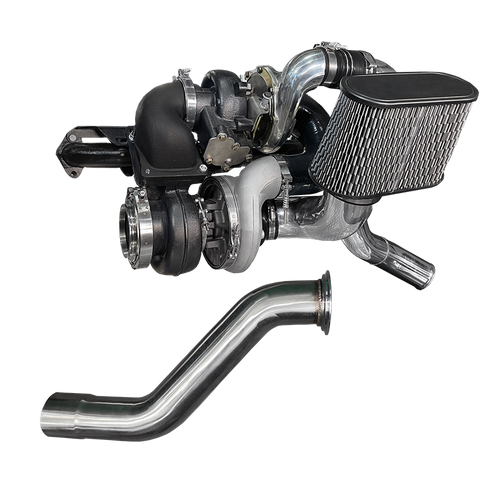
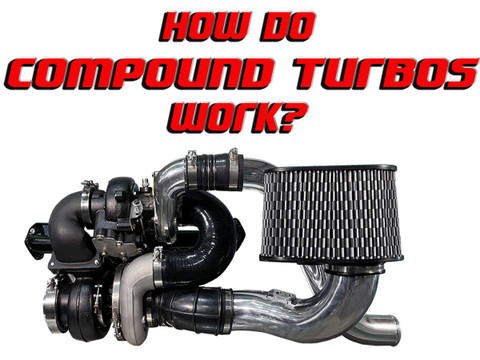
  • Compound Turbo Kits - S300 + S400 two-stage systems, 400-1,200 HP. Includes both turbos, manifold, all piping, oil lines, and hardware.
  • Add-A-Turbo Kit - Keeps your existing turbo, adds an S475 atmospheric. Budget entry to compound performance.
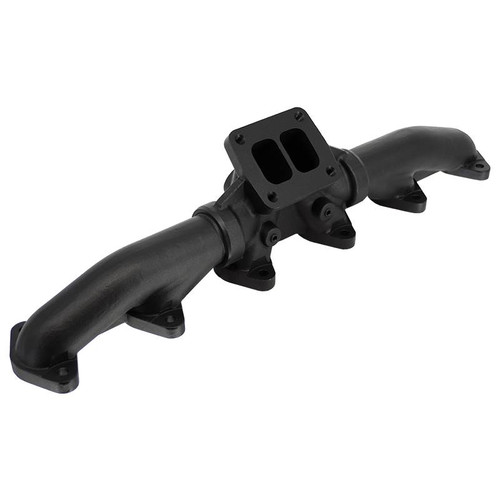
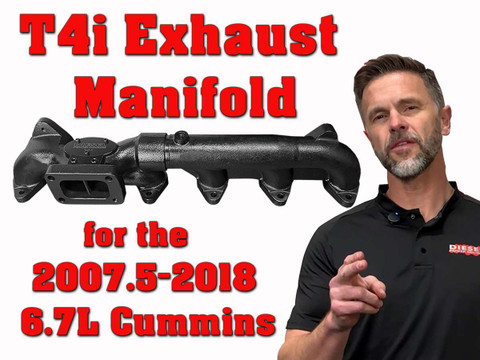
  • 24V T3 Exhaust Manifold - 3-piece center-mount, HSMD ductile iron, dedicated 24V round-port casting. CARB exempt.
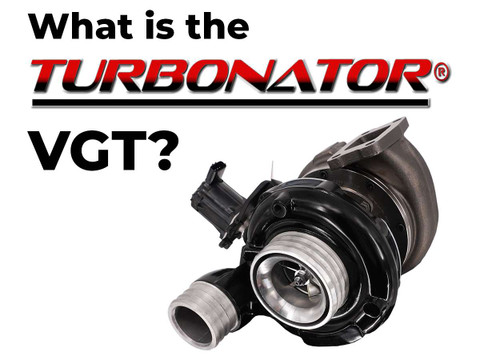
  • Turbonator VGT Upgrade - Add variable geometry and exhaust braking to any DPS S300 turbo. Works on all 24V trucks.
  • Ball Bearing Upgrade - Approximately 200 RPM faster spool on any S300. ~$550 upgrade.

1998.5-2002 24V Cummins Platform Specifications

  • Engine code: ISB 5.9L (359 cubic inches), 24-valve cylinder head
  • Fuel system: Bosch VP44 electronic injection pump
  • Factory power: 235 HP / 460 lb-ft (98.5-00 SO), 245 HP / 505 lb-ft (00.5-02 HO)
  • Stock turbo: Holset HX35W (SO) or HY35 (HO)
  • Chassis: Dodge Ram 2500/3500 second generation (same body as 94-98)
  • Transmissions: NV5600 6-speed manual (00+) or 47RE/48RE 4-speed automatic

How to Choose the Right Turbo for Your 24V Build

Towing and Daily (350-550 HP)

S362 or S363 single turbo or entry-level compound kit (S362/S475). Quick spool, measurably cooler EGTs, excellent street manners. The 24-valve head takes full advantage of the improved airflow.

Street Performance (500-650 HP)

S366 or S369 single or mid-range compound (S363/73 over S475-S480). Stronger midrange and top-end airflow for trucks with modified fueling and tuning. Ball bearing recommended to close the spool gap on larger compressors.

Competition (650-1,200+ HP)

Compound kits (S366 or S369 over S480). Full two-stage turbo systems for maximum airflow. Plan supporting mods: head studs above 45 PSI boost, transmission upgrades around 400 RWHP, aftermarket rods near 800 RWHP.

Fitment Notes

  • All DPS S300 turbos bolt to the factory T3 manifold flange
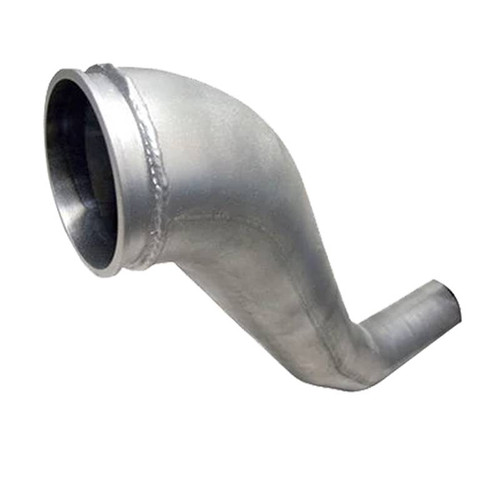
  • 4" exhaust downpipe required (sold separately)
  • 47RE/48RE automatic trucks may need trans oil cooler relocation ($149 kit available)
  • Contact DPS to match turbo size to your fuel system and tuning level

Why the 24V Responds Well to Turbo Upgrades

  • 24-valve cylinder head flows significantly more air than the 12-valve design
  • VP44 electronic injection delivers precise fuel control for clean power delivery
  • P-pump conversions are common on this platform for customers building higher power
  • Size the turbo to your fuel system - call DPS at 801-930-8404 for help

FAQ's for 1998.5–2002 Dodge Cummins 24V

The 24-valve introduced a superior cylinder head design with electronic fuel injection.

Major improvements over 12-valve:

  • Cylinder head: 24 valves (4 per cylinder) vs. 12 valves (2 per cylinder). Better airflow, higher RPM capability, more efficient combustion.
  • Power delivery: Smoother, more refined power curve with instant electronic throttle response
  • Noise: Significantly quieter than 12V at idle and cruise
  • Fuel economy: Better MPG stock-for-stock (2-4 MPG improvement typical)
  • Tuning: Requires ECM programming (handheld tuners or custom EFILive) instead of mechanical adjustments

Performance advantages:

  • 24-valve head flows significantly better for improved power potential
  • Higher RPM capability (can safely rev higher than 12V)
  • More precise fuel delivery for cleaner combustion
  • Better response to turbo upgrades due to superior airflow

For daily driving and towing: 24V offers better fuel economy, quieter operation, and smoother power delivery while still supporting 400-600 HP builds with proper turbo upgrades and supporting modifications.

Turbo choice depends on power goals and intended use.

For daily driving / moderate towing (350-450 HP):

  • S300 singles: S362, S366 (sweet spot for this platform)
  • Benefits: Quick spool, 150-200°F cooler EGTs, clean power, excellent street manners
  • Supporting mods: Handheld tuner, 4" exhaust, quality air intake
  • Best for: Daily drivers, weekend towers, all-around performance

For heavy towing / performance (450-550 HP):

  • Larger S300 or S400 singles: S369, S472 (serious performance)
  • Benefits: More power, excellent EGT control, handles big injectors
  • Supporting mods: Injector upgrade, custom EFILive tuning, built transmission, upgraded intercooler
  • Best for: Hot-shot work, heavy towing, serious enthusiasts

For maximum builds (550-600+ HP):

  • S400 singles or compound systems: Ultimate power and thermal management
  • Benefits: Compounds deliver 200-300°F cooler EGTs, no lag, maximum reliability at high power
  • Supporting mods: Big injectors, built transmission, head studs, all supporting systems
  • Best for: Competition, extreme towing, high-power street builds

24-valve specific advantages:

  • Superior cylinder head airflow responds excellently to turbo upgrades
  • Lower EGTs improve overall reliability and component longevity
  • Cleaner power delivery with proper ECM tuning

EGT improvements: 150-300°F depending on turbo choice and power level.

Stock turbo baseline:

  • Towing 16,000 lbs up 6% grade: 1,250-1,350°F
  • Better than 12V stock due to 24-valve head airflow
  • Still runs hot with programmer added without turbo upgrade

After S366 single turbo + tuning:

  • Same load, tuned to 425 HP: 1,050-1,150°F (175-225°F cooler)
  • Clean exhaust, strong power, safe operating temps
  • This is the sweet spot for most 24V trucks

After compound turbos + injectors:

  • Towing 20,000 lbs, 500+ HP: 1,000-1,100°F (250-300°F cooler than stock)
  • MORE load, MORE power, yet significantly cooler operation
  • Compounds provide ultimate thermal management

Why EGT control matters:

  • Lower EGTs extend engine component life dramatically
  • Reduced thermal stress on head gasket, manifold, pistons
  • Better overall reliability under sustained loads
  • Cooler operation improves fuel system longevity

Safe EGT guidelines for 24V trucks:

  • Cruising: Under 1,100°F ideal
  • Towing: 1,100-1,250°F acceptable
  • Max short bursts: 1,350°F for passing (not sustained)
  • Danger zone: Sustained 1,400°F+ risks damage

This platform is generally reliable with a few known weak points.

Injection system considerations:

  • Electronic injection pump can be sensitive to fuel quality and supply
  • Aftermarket lift pump ($400-700) strongly recommended for reliability and performance
  • Proper fuel filtration and water separation important

Transmission issues:

  • 47RE (autos): Overdrive unit and torque converter common failures with added power
  • NV4500 (early manuals): 5th gear nut, syncro wear
  • Solution: Transmission upgrades needed for 450+ HP ($2,000-7,000)

Exhaust manifold cracking:

  • Issue: Stock cast manifolds crack from thermal cycling
  • Solution: Performance exhaust manifold (included in our turbo kits)
  • Prevention: Lower EGTs with proper turbo upgrade

Grid heater relay:

  • Issue: Relay can fail, causing no-start in cold weather
  • Solution: Replace with quality relay or manual switch ($50-150)

Intercooler boots:

  • Issue: Rubber boots crack, cause boost leaks
  • Solution: Upgrade to silicone boots with T-bolt clamps ($100-200)

Overall reliability: With proper maintenance and quality fuel supply, these engines run 300k+ miles. The 24-valve cylinder head is extremely durable.

Absolutely; 24V makes excellent daily driver when properly modified.

Why 24V excels as daily driver:

  • Quieter operation: Significantly less noise than 12V at idle and cruise
  • Smoother power: Electronic injection provides refined throttle response
  • Better fuel economy: Computer-controlled injection optimizes efficiency (17-21 MPG highway stock)
  • Cleaner exhaust: Less smoke than 12V at same power level
  • Modern refinement: Factory gauges work, cruise control integrates well

Daily driving by modification level:

Mild (375-450 HP, S300 single, handheld tuner):

  • ✓ Drives like stock with significantly more power
  • ✓ Excellent fuel economy (15-19 MPG highway)
  • ✓ Minimal smoke, civilized manners
  • ✓ Perfect daily driver sweet spot

Moderate (450-550 HP, larger turbo, injectors, custom tune):

  • ✓ Still very drivable with proper tuning
  • ~ Fuel economy drops slightly (13-17 MPG)
  • ~ Some smoke on hard acceleration
  • ✓ Excellent for daily driving and towing

High performance (550-600 HP, compounds, full build):

  • ✓ Daily drivable with compounds (no lag)
  • ~ Fuel economy 11-15 MPG
  • ~ Requires more attention to maintenance
  • ✓ Incredible capability when needed

Real-world daily experience:

  • Cold starts: Grid heaters work well, starts easily in cold weather
  • Idle: Smooth and quiet (much better than 12V)
  • City driving: Excellent throttle modulation, easy to drive conservatively
  • Highway: Quiet, comfortable, good MPG if not using all the power
  • Overall: More refined than 12V while making serious power

24V offers better economy than 12V stock-for-stock and modified-for-modified.

Stock 24V baseline:

  • Highway (conservative driving): 19-23 MPG
  • Mixed driving: 17-20 MPG
  • Towing 15k lbs: 12-15 MPG
  • Note: HO models slightly worse than SO due to more power

Mild mods (turbo upgrade, handheld tuner, 400 HP):

  • Highway: 17-21 MPG (can match stock if driven conservatively)
  • Mixed: 15-18 MPG
  • Towing: 12-15 MPG
  • Reality: Better efficiency can offset power-induced economy loss

Moderate builds (500 HP, injectors, custom tune):

  • Highway: 15-18 MPG
  • Mixed: 13-16 MPG
  • Towing: 10-13 MPG
  • Challenge: Hard to resist using extra power

High-performance builds (550-600 HP):

  • Highway: 13-16 MPG
  • Mixed: 11-14 MPG
  • Towing: 9-12 MPG

Factors affecting fuel economy:

  • Tuning style: Conservative tunes maintain better economy
  • Injector size: Bigger injectors tempt you to use more fuel
  • Driving habits: By far the biggest factor
  • Turbo choice: Compounds can improve efficiency vs. laggy singles
  • Weight and aero: Lift, tires, bumpers all hurt MPG

24V economy advantage: Electronic fuel control means better economy potential than 12V mechanical injection at similar power levels.

#1 RATED COMPOUND TURBO KITS - FREE SHIPPING ON ORDERS OVER $300 - MADE IN THE USA - BACKED BY INDUSTRY LEADING ENGINEERING - SHOP WITH CONFIDENCE -