-

(1)
DPS Ball Bearing 3rd Gen Swap Kit - 6.7 Cummins 2007.5 - 2018 Ram
Choose Options$2,649.00 - $4,699.00 -


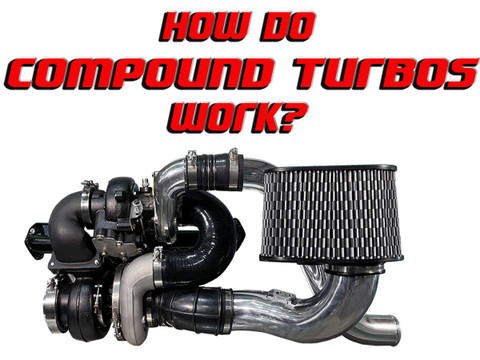

For deleted 2007.5-2018 Ram 2500/3500 trucks. The turbo stays in the factory location and bolts to your stock piping.
(1)
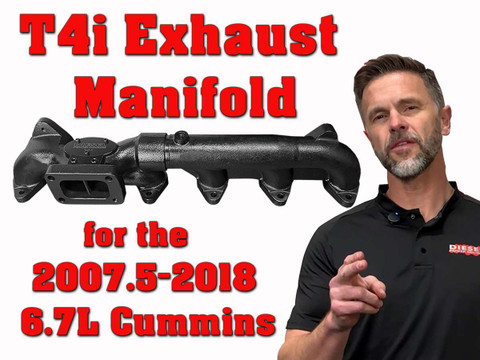
If you are researching a 2nd gen swap for your 6.7 Cummins, the Diesel Power Source® 3rd Gen Swap Kit gets you to the same place with far less work. A traditional 2nd gen swap moves the turbo to a new location, which means new intercooler, intake, and exhaust piping. The 3rd Gen Swap Kit replaces the factory T4i manifold and VGT turbo with a DPS exhaust manifold and a T3 or T4 flange turbo built on the S300 or S400 platform, and the turbo stays in the factory location. Your factory intercooler, intake, and exhaust piping stay compatible, and installation typically takes about 3 hours on a truck that has already been deleted.
Bolts to the stock intercooler, intake, and exhaust piping
On a truck that has already been deleted
Removes the source of P003A, P2262, P226C, P00AF, and P0299 codes
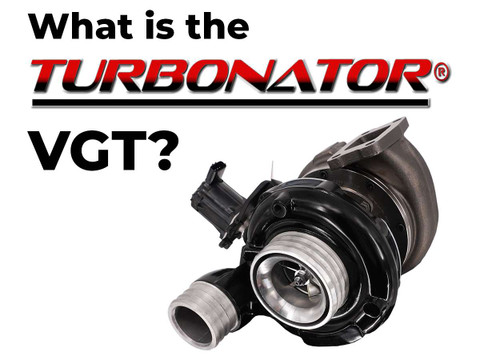
Fixed-geometry or Turbonator® VGT, with a ball bearing upgrade available
The factory HE351VE (2007.5-2012) and HE300VG (2013-2018) turbos control boost with movable vanes and an electronic actuator. Carbon buildup, actuator wear, and oil coking eventually cause Stuck Turbo Syndrome. The 3rd Gen Swap Kit replaces that VGT system with a DPS turbo, so the factory vanes and actuator are no longer part of the truck.
The factory 6.7 Cummins turbo flows roughly 58-65 lb/min. Every DPS S300 configuration flows more than that, starting at about 76 lb/min for the S362 and reaching about 95-98 lb/min for the S369. More airflow supports more power and lower EGTs under load.
Because the turbo stays in the factory location, the stock intercooler, intake, and exhaust connections carry over. No cutting, welding, or custom piping.
The Turbonator® VGT typically spools 200-300 RPM sooner than a fixed turbine housing of the same size, and the electronic version adds exhaust brake capability. The ball bearing CHRA upgrade spools approximately 200 RPM sooner than a journal bearing turbo of the same size.
S363/68/.70 (375-525 RWHP) or S363/73/.80 (400-575 RWHP). On the 6.7 Cummins the 73mm turbine spools well and leaves more headroom, so the S363/73/.80 is the more common choice.
S366/73/.80. The most requested S300 size for combined towing and performance builds.
S369/73/.80. Built for performance and competition. The ball bearing upgrade is recommended at this size. For heavy towing at high power, the S366 or a compound kit is usually the better fit.
HP ranges are approximate rear wheel horsepower and vary with tuning, fueling, and supporting modifications. Head studs are recommended above 48 PSI of boost on 2007.5-2018 trucks. Not sure which size fits your build? Call 801-930-8404 or email sales@dieselpowersource.com.
Ready to upgrade? Shop the 3rd Gen Swap Kit or the Ball Bearing 3rd Gen Swap Kit. Still running emissions equipment? See HE300VG replacement turbos and Turbonator® VGT upgrades. Planning twin turbos? See compound turbo kits. Free shipping on orders over $350.
Cummins is a registered trademark of Cummins Inc. Diesel Power Source® is not affiliated with Cummins Inc.
A 3rd gen swap kit allows you to install modern 3rd generation Cummins turbo technology (2003-2007 design) onto your older 2nd generation truck (1994-2002), replacing the factory VGT setup.
Why upgrade to 3rd gen turbo design?
This is especially popular for 1998.5-2002 24-valve trucks looking to modernize their turbo systems.
Our 3rd gen swap kits are truly complete—everything you need for the conversion:
You will NOT need to:
Everything is engineered to work together and bolt into your 2nd gen chassis.
Our 3rd gen swap kits are designed for:
Important considerations:
Each product page lists specific fitment details. Not sure? Send us your truck specs (year, engine, trans, current mods) and we'll confirm compatibility.
Power gains depend on which turbo size you choose and your supporting modifications:
Beyond just peak horsepower, you'll notice:
The real benefit isn't just peak power—it's having a modern, efficient turbo system that makes your 2nd gen feel like a completely different truck.
Moderate to advanced skill level required. This is more involved than a direct replacement turbo.
Installation time:
Why it takes longer than standard turbo swap:
Tools needed: Full socket/wrench set, jack and stands, penetrating oil, torque wrench, possibly cutting/grinding tools for downpipe work.
Our kits include detailed photo instructions. We also offer phone/email tech support during your install.
Yes, tuning is essential for optimal performance and safety.
Your stock ECU programming doesn't account for the increased airflow capability of the new turbo. Without proper tuning:
Tuning options for 2nd gen trucks:
We recommend working with a tuner experienced with 3rd gen swap setups. They'll optimize boost levels, fueling, and timing for your specific turbo configuration.