-

(1)
DPS Ball Bearing 3rd Gen Swap Kit - 6.7 Cummins 2007.5 - 2018 Ram
Choose Options$2,649.00 - $4,699.00 -

-



HE351VE turbo upgrades, compound turbo kits, 3rd gen swap kits, and high-flow exhaust manifolds for the 2007.5-2012 6.7L Cummins - engineered by Diesel Power Source.
(1)
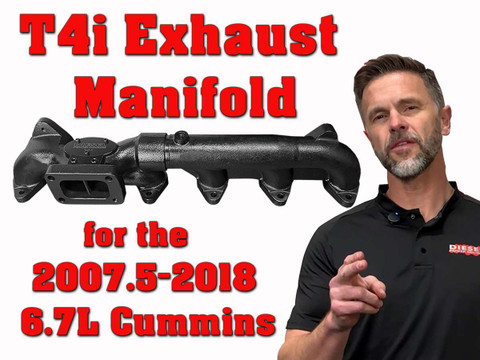
The 2007.5-2012 6.7L Cummins introduced a larger displacement platform with the Holset HE351VE variable geometry turbocharger. The 6.7L has 13.5% more displacement than the 5.9L, which means more torque, more airflow capacity, and more room for turbo upgrades to make a difference. DPS builds HE-series replacement turbos, S300 and S400 single turbos, compound kits, 3rd gen swap kits, and high-flow T4i exhaust manifolds specifically for this platform.
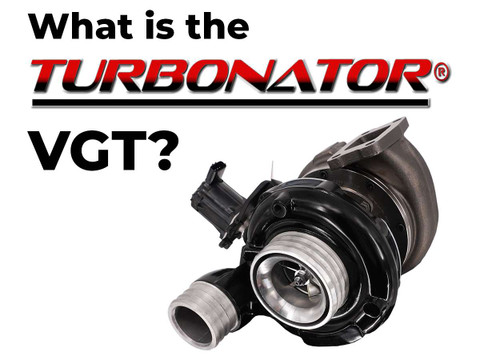
The factory HE351VE is a capable VGT, but it is known for actuator failures, sticking vanes, and P003A codes as these trucks accumulate miles. DPS offers multiple upgrade paths - from direct HE-series replacements that maintain factory exhaust brake to full compound kits that deliver the widest powerband and biggest EGT reductions available for the 6.7L platform.
HE-series, S300, S400, swap kits, and compounds
Singles and compounds both reduce exhaust temps under load
Designed for 2007.5-2012 Ram 2500/3500
Keep exhaust brake or go maximum power
HE-series replacement or upgrade turbos (HE363VG, HE366VG) are direct bolt-in fits that maintain EGR, DPF, DEF, and factory exhaust brake. Add-A-Turbo kits provide compound performance while keeping the factory HE351VE and emissions equipment in place.
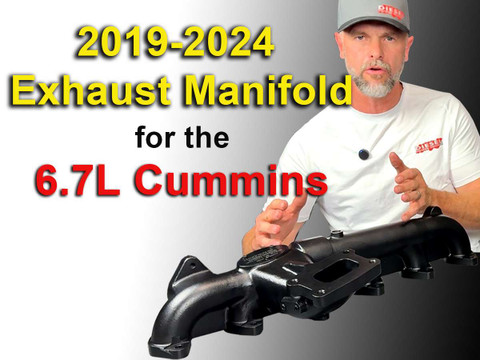
Replace the factory VGT with a DPS manifold and S300 or S400 turbo. Stays in the factory turbo location, no custom intercooler or exhaust piping needed. Turbo and manifold bolt to factory connections.
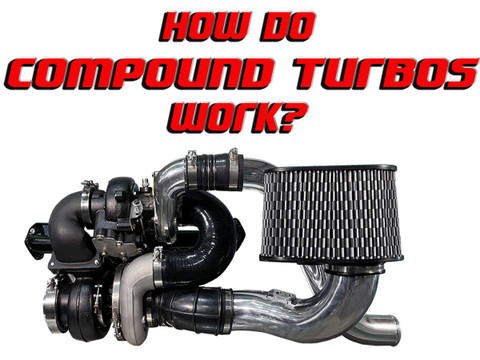
Full compound turbo kits with two new DPS turbos, 450-1,200 HP. Plan supporting mods: head studs above 48 PSI boost, transmission upgrades around 400 RWHP, fuel system upgrades around 500-550 RWHP.
Ready to upgrade? Browse HE-Series Turbos, 3rd Gen Swap Kits, Compound Kits, or call 801-930-8404 for help choosing.
The 6.7L brought larger displacement and modern emissions technology to the Cummins platform.
Major improvements over 5.9L:
6.7L advantages for performance:
Why 6.7L is preferred for serious builds:
6.7L supports wide range of turbo options; choice depends on goals and emissions needs.
VGT turbo upgrades (keep exhaust brake and factory features):
Fixed-geometry S300 singles (better response, more power potential):
S400 singles (high power):
Compound turbo systems (ultimate solution):
All three codes are generated by the 6.7L Cummins VGT turbocharger system when the ECM detects a problem with vane position control or boost production. P003A means the actuator exceeded its position limit — it couldn't move the vanes to where the ECM commanded. P2262 means boost was not detected when the engine expected it, pointing to an actuator problem, stuck vanes, boost leak, or physical turbo damage. P226C is the most misunderstood of the three — it simply means the actuator relearn was never completed, which is extremely common after any turbo or actuator replacement. Before replacing parts, confirm which code is present and follow the correct diagnostic path for that specific code.
Several non-turbo issues can trigger P2262 and P0299 on the 6.7L Cummins. Cracked intercooler boots and loose charge air clamps are among the most common — a significant boost leak prevents the system from building detectable pressure regardless of how well the turbo is functioning. A cracked exhaust manifold reduces drive pressure at the turbine inlet, limiting how much boost the turbo can generate. Failed intercooler end tanks and split intake tubes are also worth checking. Always pressure test the full charge air circuit before condemning the turbo or actuator.
While you have the turbo system accessible, check the turbo oil feed and drain lines for restriction or clogging — degraded oil supply is a leading cause of turbo bearing failure. Inspect the coolant lines at the turbo for cracking and leaks. Check the downpipe for cracks that allow exhaust to escape before the aftertreatment system. Addressing these items at the same time as the turbo repair prevents repeat failures and avoids returning to the same job later.
Depends on whether you value exhaust brake and emissions compliance vs. ultimate power.
VGT turbo upgrade pros:
VGT turbo upgrade cons:
Fixed-geometry (S300/S400) pros:
Fixed-geometry cons:
Who should choose VGT upgrade:
Who should choose fixed-geometry:
EGT improvements: 150-300°F depending on turbo choice and power level.
Stock VGT baseline (with tuner added):
After upgraded VGT (Turbonator® or similar):
After S366 or S369 fixed-geometry single:
After S300/S400 or S400/S400 compounds:
Why EGT control matters for 6.7L:
Safe EGT guidelines for 6.7 Cummins:
6.7L generally reliable but has specific issues to address.
CP4 injection pump failure (2010-2012 trucks):
Emissions system issues:
Transmission issues (68RFE automatic):
Exhaust manifold cracking:
Lift pump:
Grid heater:
Overall reliability: Address CP4 (if 2010-12) and emissions equipment; engine itself very strong. Many 6.7L trucks exceeding 300k-400k miles.
Absolutely; 6.7L makes excellent daily driver even at high power levels.
Why 6.7L excels for daily use:
Daily driving by power level:
Mild (475-550 HP, VGT upgrade or S300 single):
Moderate (600-700 HP, S400 single or compounds):
High performance (750-1000 HP, compounds, full build):
Real-world daily experience: