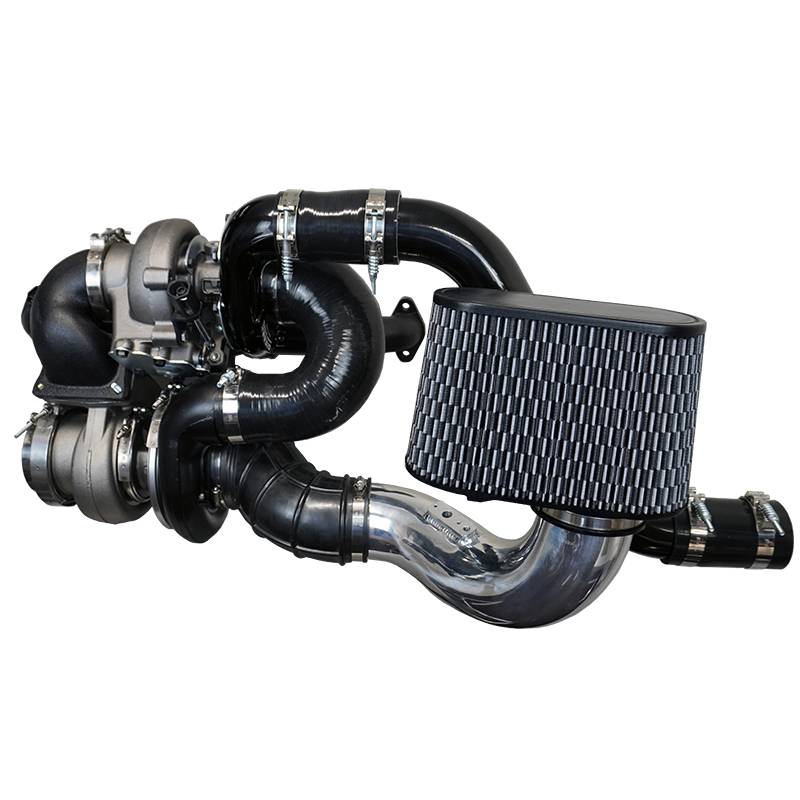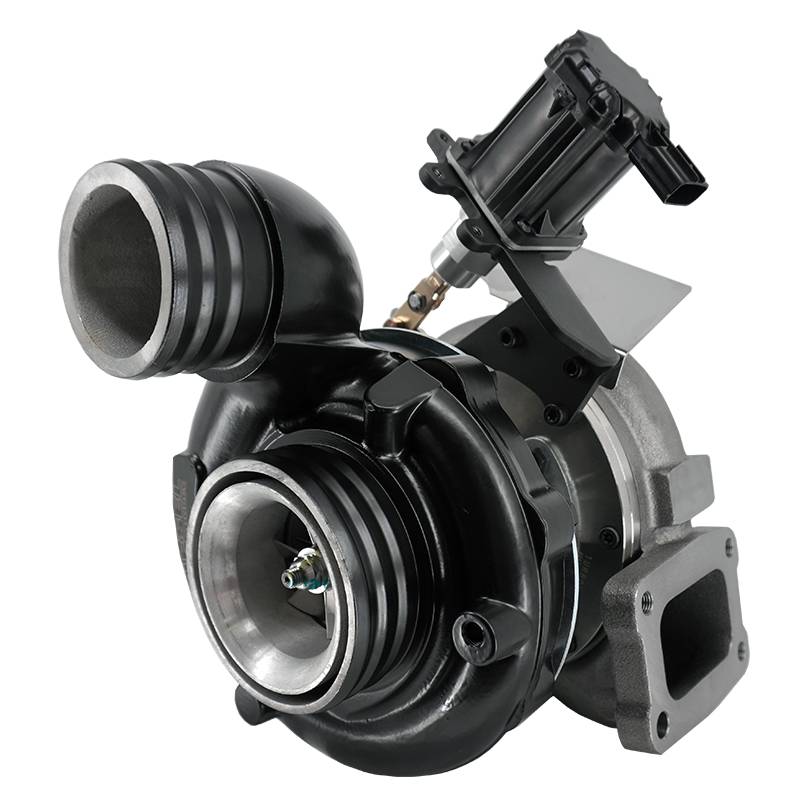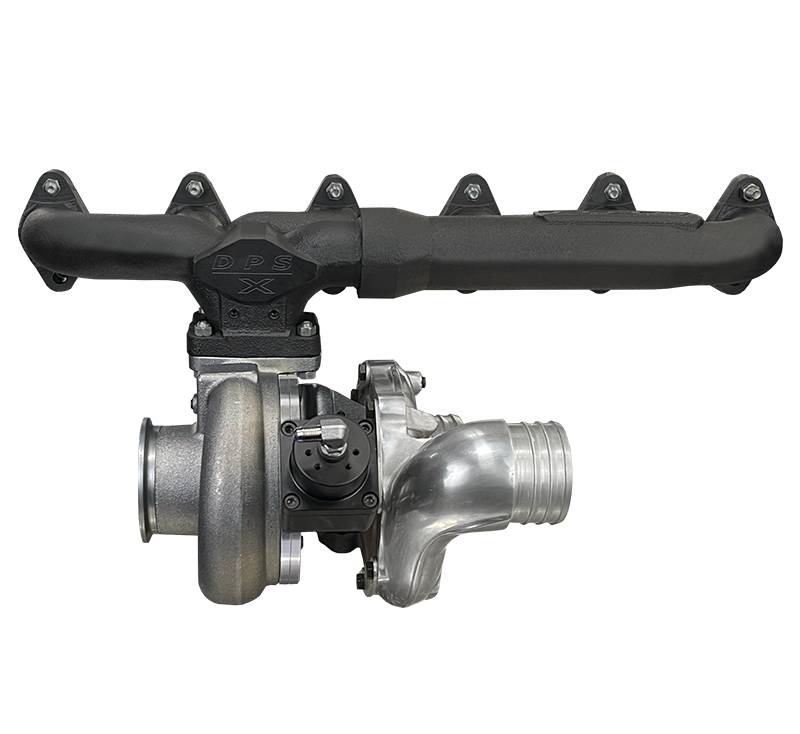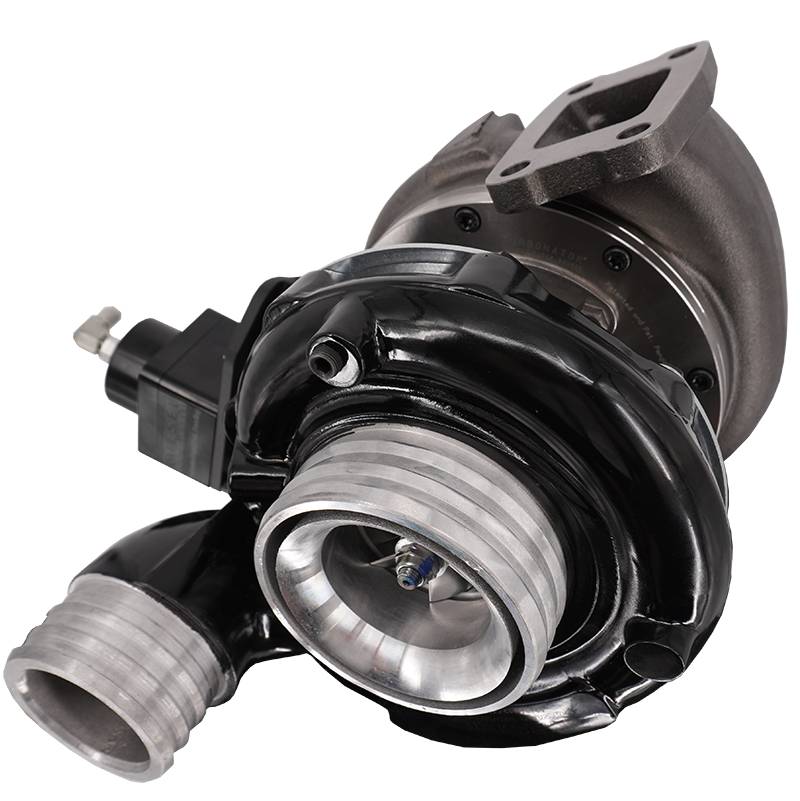
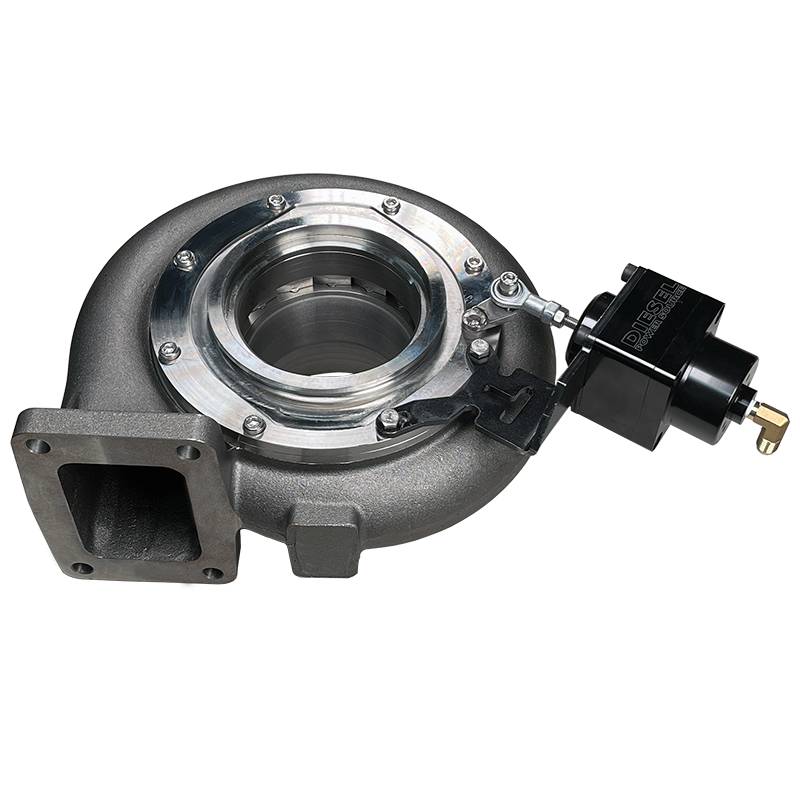
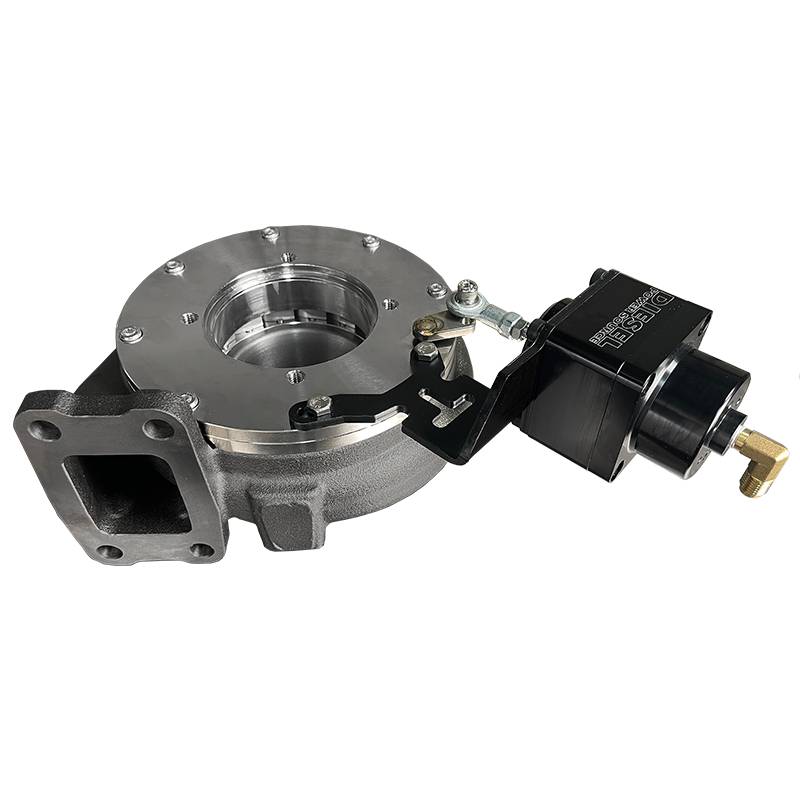
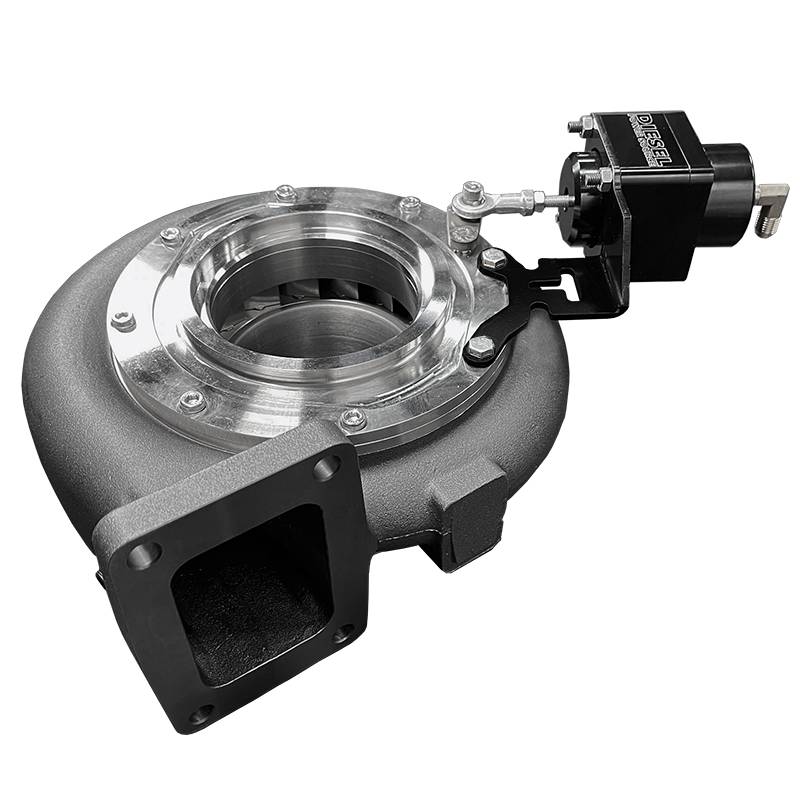
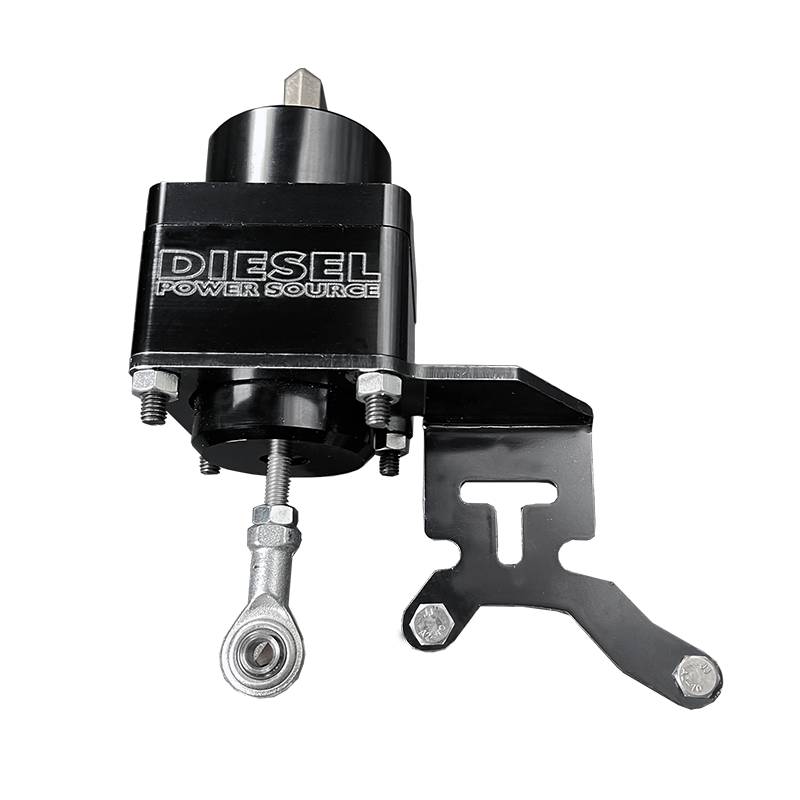
Turbonator® VGT Turbine Housing | S300 | T3 & T4
Diesel Power SourceSKU: VGT0201·MPN: VGT0201
The Turbonator® VGT Housing is a housing-only upgrade for customers who already own an S300 turbo and want to add variable geometry capability. This is not a complete turbo. It replaces your existing fixed-geometry turbine housing with a patented variable-stator housing that adjusts effective A/R from approximately 0.45 to 1.1 across the RPM range.
If you want a complete turbo with the Turbonator® VGT already installed, see the Turbonator® VGT S300 & S400 Turbos or the S300 Ball Bearing VGT for 6.7 Cummins.
Who Is This For
This product is specifically for owners who already have a DPS S300 turbo with a fixed-geometry turbine housing and want to upgrade to variable geometry. Common scenarios:
- You bought a DPS S300 single turbo and want to add VGT later
- You have a DPS compound kit and want VGT on the small turbo
- You did a 2nd gen swap or 3rd gen swap and want to improve spool and add exhaust braking
- You want to upgrade from the 3-stage pneumatic actuator to the electronic VGT with exhaust brake
Already have an S300 turbo? This housing bolts onto your existing turbo. You keep your compressor wheel, CHRA, and compressor housing. Only the turbine housing changes. DPS configures the housing to match your specific turbine wheel size.
How the Turbonator® VGT Works
The Turbonator® VGT uses patented aerospace-grade stator vanes inside the turbine housing. At low RPM, the stators close to approximately 0.45 A/R, accelerating exhaust gas velocity to spool the turbo faster. As engine speed and exhaust flow increase, the stators open progressively to approximately 1.1 A/R for maximum top-end airflow. A fixed-geometry housing is locked at one A/R at all times. The Turbonator® eliminates that compromise.
Compared to a fixed A/R housing of the same turbine wheel size, the Turbonator® VGT typically improves spool by approximately 200-300 RPM. On the 68mm turbine, the improvement is approximately 200 RPM. On the 73mm turbine, the improvement is approximately 300 RPM because larger turbine wheels have more inertia at low RPM.
Turbonator® VGT Exhaust Brake Performance: 5.9L Cummins with Automatic Transmission
Overview: The Turbonator® VGT exhaust brake closes the vanes to build exhaust back pressure in the cylinder, creating an engine braking effect. This is the same operating principle used by the factory VGT exhaust brake on 2008-and-newer 6.7L Cummins trucks.
Exhaust Brake Pressure: 5.9L vs 6.7L: The Turbonator® VGT exhaust brake on a 5.9L Cummins produces exhaust brake pressure equal to or greater than the factory exhaust brake on a 2008-and-newer 6.7L Cummins, typically 60 to 70 PSI and often higher. The turbo-side performance is not the limiting factor.
Why Braking Feel Differs: Torque Converter Lockup: The functional difference in perceived braking between the 5.9L and 6.7L is in the transmission, not the turbo. The 6.7L Cummins automatic transmission holds the torque converter in lockup during exhaust braking. The 5.9L Cummins automatic transmission does not lock the torque converter during braking. Without torque converter lockup, approximately 300 to 500 RPM of slip occurs between the engine and the drivetrain. This slip reduces the effective transfer of engine braking force to the wheels, making the exhaust brake feel less effective even when exhaust pressure is normal or above specification.
How to Maximize Exhaust Brake Effectiveness on 5.9L Automatic:
- Place the transmission in tow/haul mode before engaging the exhaust brake
- Downshift one to two gears to raise engine RPM when engaging the brake
- These steps are required for the transmission to contribute meaningfully to braking force. Without them, the torque converter will slip and reduce effective engine braking regardless of exhaust pressure.
Optional upgrade: For the closest possible feel to a 6.7L locked-converter exhaust brake on an automatic transmission, an aftermarket torque converter lockup switch can be added and is recommended.
Manual transmission: 5.9L trucks with a manual transmission are not affected by this issue. The exhaust brake operates at full effectiveness without any additional steps.
Compatibility
| Turbine Wheel Size | Platform | Flange Options |
|---|---|---|
| 68mm | S300 | T3 only |
| 73mm | S300 | T3 or T4 |
Exhaust outlet: Available in 4.0" or 4.4" diameter. Select at checkout.
Clockable housing: The Turbonator® VGT housing can be clocked (rotated) independently to fit nearly any 5.9L or 6.7L Cummins application, including single turbo, compound, 2nd gen swap, and 3rd gen swap configurations.
Applications: 1989-2018 Dodge Ram Cummins (5.9L and 6.7L). Works in single turbo and compound/twin turbo setups.
Actuator Options
Electronic Actuator (Recommended)
- Includes integrated exhaust brake: self-contained electronics, no ECM tuning required
- Dash-mounted dial control (0-11 scale, recommended operating range 4-7)
- Includes ball bearing unison ring for precise vane positioning
- Compatible with any year truck (1989-2018), including 12V engines
- Easier to install than the 3-stage pneumatic
3-Stage Pneumatic Actuator
- Mechanical, non-electronic operation
- Does not provide exhaust braking
- Still delivers the full 200-300 RPM spool improvement
- Good option for customers who prefer fully mechanical, no-electronics setup
Exhaust Brake Note: Diesel Power Source® does not guarantee a specific exhaust braking force. Results vary by truck, tuning, and application. The exhaust brake function increases exhaust pressure during braking, but the amount of braking force depends on engine configuration and driving conditions.
Key Features
- Patented variable stator technology: Aerospace-grade design, not a modified OEM housing
- Variable A/R range approximately 0.45-1.1: Infinitely variable between those points
- CFD tested: Validated through computational fluid dynamics for optimized exhaust flow
- Better than 1:1 boost-to-drive pressure ratio: Lower engine stress and improved efficiency
- Clockable housing: Rotates independently to fit multiple chassis and turbo configurations
- Fits S300 turbos: 68mm and 73mm turbine wheels
- Single and compound compatible: Works as a standalone single turbo housing or as the small turbo housing in a compound setup
- Ball bearing unison ring (electronic version): Precise vane control that does not degrade with soot or use
What's Included
- Turbonator® VGT turbine housing (configured to your turbine wheel size)
- 3-stage pneumatic actuator (standard) or electronic actuator with exhaust brake (upgrade option)
- All necessary mounting hardware
Not included: Compressor housing, compressor wheel, CHRA (center section), or oil lines. This is a turbine housing upgrade only. Your existing turbo components remain.
Frequently Asked Questions
Q: Will this fit my existing S300 turbo?
A: Yes, as long as your turbine wheel matches one of the supported sizes (68mm or 73mm). Select your turbine wheel size and flange type at checkout. If you are unsure of your turbine wheel size, call DPS at 801-930-8404 before ordering.
Q: What is the difference between this and buying a complete Turbonator® VGT turbo?
A: This is the housing only. If you already have a good S300 turbo and just want to add VGT capability, this saves you from buying a complete new turbo. If you do not currently own an S300 turbo, the complete Turbonator® VGT turbo is the better option.
Q: Do I need the electronic version for the exhaust brake?
A: Yes. Only the electronic actuator provides exhaust braking. The 3-stage pneumatic actuator delivers the same spool improvement (200-300 RPM) but does not have exhaust brake capability.
Q: Will the dial setting affect my power?
A: The electronic dial (0-11) sets the baseline vane position at low RPM. The recommended range is 4-7 for most applications. A higher number does not mean more performance. It is a tuning adjustment. Start at 5 or 6 and adjust one click at a time based on feel.
Frequently Asked Questions
Yes, if your S300 turbine wheel is one of the supported sizes, 68mm or 73mm. Select your turbine wheel size and T3 or T4 flange at checkout. If you are not sure of your turbine wheel size, call DPS at 801-930-8404 before ordering.
Buy the housing only if you already have a good S300 and want to add VGT capability without buying a whole new turbo. If you do not own an S300, the complete Turbonator® VGT turbo is the better option.
Yes. Only the electronic actuator provides exhaust braking. The 3-stage pneumatic actuator gives the same 200-300 RPM spool improvement but has no exhaust brake function.
The electronic dial (0-11) sets the baseline vane position at low RPM. The recommended range is 4-7 for most applications, and a higher number does not mean more performance. Start at 5 or 6 and adjust one click at a time based on feel.
The Diesel Power Source® Turbonator® VGT adds variable geometry to a standard fixed-geometry S300, improving spool by about 200-300 RPM and widening the turbo's efficient range. With the electronic actuator it also adds exhaust braking, even on Cummins trucks that never had one from the factory.